




The entertainment industry’s relationship with technology just took another dramatic turn. While publicists scramble to keep up with TikTok trends and Instagram algorithm changes, A-list celebrities are quietly replacing their human social media teams with AI-powered managers that never sleep, never gossip, and reportedly deliver better engagement rates than their flesh-and-blood predecessors.
The shift represents more than just cost-cutting. Major talent agencies report that AI social media managers are providing 24/7 content optimization, real-time crisis management, and personalized fan interactions at a scale human teams simply cannot match. As streaming platforms and social networks become the primary battleground for celebrity relevance, stars are betting their digital personas on artificial intelligence.
The Always-On Advantage
Traditional celebrity social media management operates on human schedules. Posts go live during business hours, responses to fan comments happen when team members are available, and crisis management waits for someone to wake up and check their phone. AI changes everything.
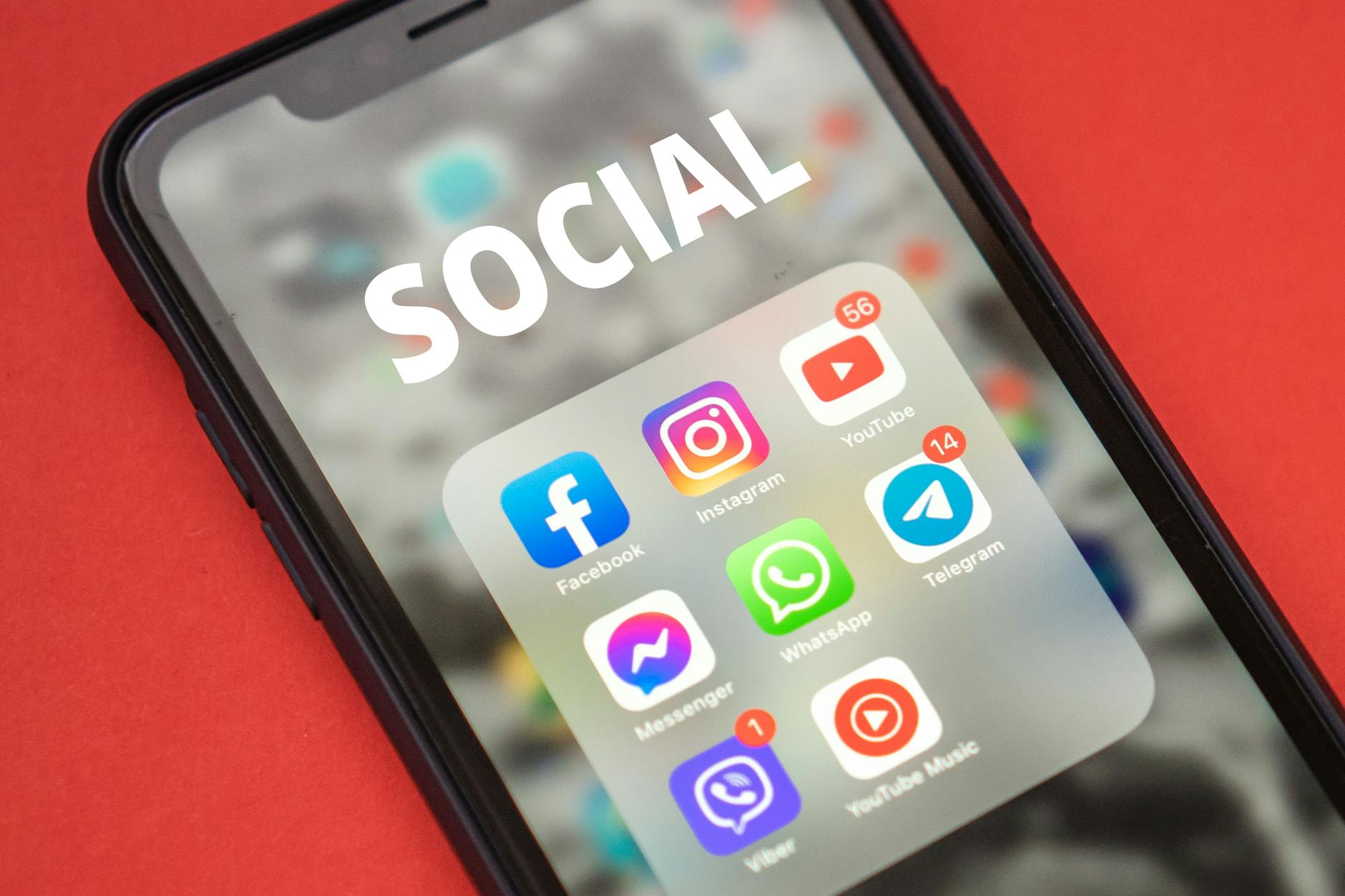
Machine learning algorithms now monitor celebrity mentions across dozens of platforms simultaneously, crafting responses that match the star’s established voice and tone. When negative stories break at 3 AM, AI systems immediately deploy damage control strategies, adjusting posting schedules and engaging with supportive fans to flood feeds with positive content.
The technology learns from every interaction. If a particular type of Instagram Story generates higher engagement, the AI notes the pattern and suggests similar content. When certain hashtags trend, it automatically incorporates them into scheduled posts. The system tracks which fan comments receive the most likes when the celebrity responds, then prioritizes similar interactions.
Several unnamed A-list actors have reportedly seen their social media engagement rates increase by over 40% since switching to AI management. The systems excel particularly at timing optimization, posting content when each celebrity’s specific audience is most active online, rather than following industry-wide best practices that may not apply to their fanbase.
Crisis Management at Machine Speed
Celebrity scandals move at internet speed, and human response times often prove inadequate. AI social media managers can detect brewing controversies through sentiment analysis before they fully explode, giving celebrities crucial head starts on damage control.
The systems monitor not just direct mentions, but contextual conversations that might impact a celebrity’s reputation. If rumors begin circulating on Twitter, the AI can immediately begin crafting a response strategy, scheduling positive content to dominate the celebrity’s feeds, and identifying which influencers or fan accounts to engage with for maximum reach.
One particularly sophisticated AI system reportedly helped a major pop star navigate a relationship controversy by automatically archiving potentially problematic photos, adjusting caption language to avoid inflammatory keywords, and strategically timing the release of professional photos that redirected public attention. The entire response happened within hours, before traditional PR teams would have even scheduled an emergency meeting.

The technology also excels at maintaining consistency across platforms. While human teams might craft different responses for Twitter, Instagram, and TikTok, AI ensures the celebrity’s voice remains coherent across all channels while adapting to each platform’s specific culture and audience expectations.
The Economics of Digital Celebrity
Traditional celebrity social media teams often cost hundreds of thousands annually, requiring content creators, strategists, community managers, and crisis specialists. AI systems deliver similar services for a fraction of that cost, with several companies offering comprehensive celebrity social media management for under fifty thousand annually.
The cost savings extend beyond salaries. Human teams require coordination, meetings, and approval processes that slow response times. AI systems operate independently, making thousands of micro-decisions daily without requiring celebrity input on routine matters. Stars can focus on creating content while the AI handles distribution, timing, and audience interaction.
This economic shift particularly benefits mid-tier celebrities who previously couldn’t afford comprehensive social media management. Reality TV stars, influencers, and emerging musicians now access the same level of professional social media optimization that was once exclusive to major Hollywood names.
The technology also eliminates common human errors that can prove costly. No more accidental posts from personal accounts, no more typos in major announcements, and no more missed opportunities when trending topics could boost visibility. AI systems maintain professional standards consistently, without the fatigue or distraction that affect human performance.
The Human Element Question
Despite the advantages, some industry observers worry about losing authentic human connection in celebrity social media. Fans value feeling personally acknowledged by their favorite stars, and AI-generated responses, however sophisticated, may lack the spontaneity and genuine emotion that create memorable fan interactions.
The most successful AI implementations appear to blend automation with human oversight. Celebrities still create original content and make major strategic decisions, while AI handles optimization, scheduling, and routine fan interactions. Some stars use AI to draft responses that they then review and personalize before posting.
The technology continues evolving rapidly. Advanced natural language processing allows AI systems to capture increasingly subtle aspects of celebrity personalities, while machine learning algorithms become better at predicting which content will resonate with specific audiences. As voice-only social networks gain traction among younger demographics, AI managers are already adapting to manage celebrity presence across these emerging platforms.
Several talent agencies are now offering AI social media management as a standard service, suggesting the technology will become as common as traditional publicity representation. The systems are also expanding beyond social media, with some AI managers now handling email newsletters, fan club communications, and even basic press interactions.
The transformation reflects broader changes in how celebrity operates in the digital age. As attention spans shrink and platform algorithms become more complex, maintaining relevant celebrity presence requires constant optimization that exceeds human capacity. AI social media managers represent not just a cost-saving measure, but an evolution in how fame itself functions in an increasingly automated digital landscape.
The celebrities embracing this technology early are positioning themselves for sustained relevance in a media environment where algorithm mastery often matters more than traditional talent. As AI capabilities continue advancing, the question may not be whether celebrities will use AI social media managers, but whether those who don’t will be able to compete in an entertainment industry increasingly defined by digital engagement metrics.
Frequently Asked Questions
How much do AI social media managers cost compared to human teams?
AI systems cost under $50,000 annually compared to hundreds of thousands for traditional human social media teams.
Can AI social media managers handle celebrity crises effectively?
Yes, AI systems detect brewing controversies through sentiment analysis and deploy damage control strategies within hours.