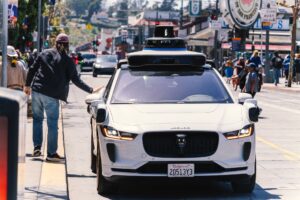




A driverless car that glides down an empty street is a demo. The same car stopped behind a double-parked delivery truck at rush hour, with a line of honking drivers behind it, is a referendum on whether a city will tolerate it.
Waymo is now running that second test in more places than ever.
The company has grown from a Phoenix experiment into a multi-city service, and it keeps announcing new markets with different street layouts, weather, politics and habits. The engineering story is easy to tell: the software keeps improving, and the fleet keeps logging miles without a human at the wheel. The social story is harder, because every new city has to decide for itself whether a car with nobody in the driver’s seat is a convenience, a nuisance or a threat. That decision is rarely made on technical grounds.
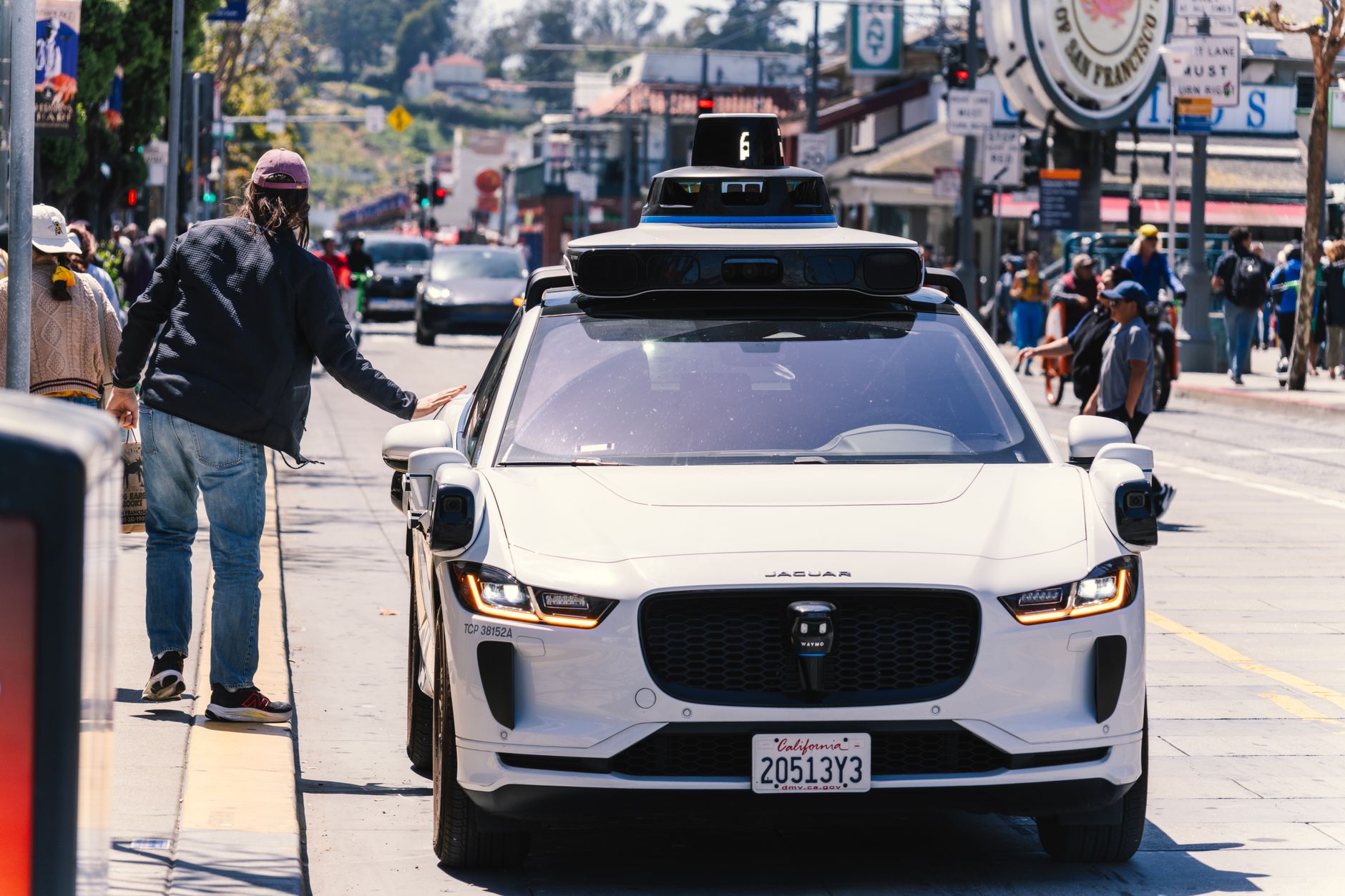
Every New City Brings a New Set of Neighbors
A robotaxi trained on wide, gridded streets does not automatically understand a dense neighborhood where delivery vans block lanes, cyclists filter through gaps and pedestrians treat crosswalks as suggestions. Each city has its own unwritten driving culture, and the software has to learn it while human drivers learn how to behave around a car that follows the rules more strictly than they do. That mutual adjustment is awkward even when it goes well. Drivers who would normally nudge forward or wave someone through suddenly face a vehicle that cannot read a shrug.
The friction rarely arrives as a headline-grabbing crash. It arrives as small annoyances: a car that stops cautiously where a human would have rolled through, a pickup that happens in a travel lane, a vehicle idling on a narrow residential block while it waits for a rider. Any one of these is trivial. Stacked up over weeks, on the same street, in front of the same windows, they turn a novelty into a neighbor people did not choose. The early goodwill that comes with a futuristic ride fades once the cars are simply part of the traffic, and that is exactly the point where public patience starts to get measured.
The industry also carries a debt it did not run up. When a rival operator’s vehicle dragged a pedestrian in San Francisco in 2023, regulators suspended its permits, and the program was eventually shut down by its parent company. Residents and officials did not sort that episode neatly into “that company’s problem.” They filed it under “robotaxis,” and every operator since has inherited the suspicion. A single serious incident, wherever it happens and whoever causes it, can reset the political mood overnight, which means Waymo’s growth is tied to a safety record it has to defend in every city at once. The scrutiny scales with the map, and so does the exposure. A company that once had to be careful in a couple of metro areas now has to be careful in many, with local officials who are watching each other as well as the company.
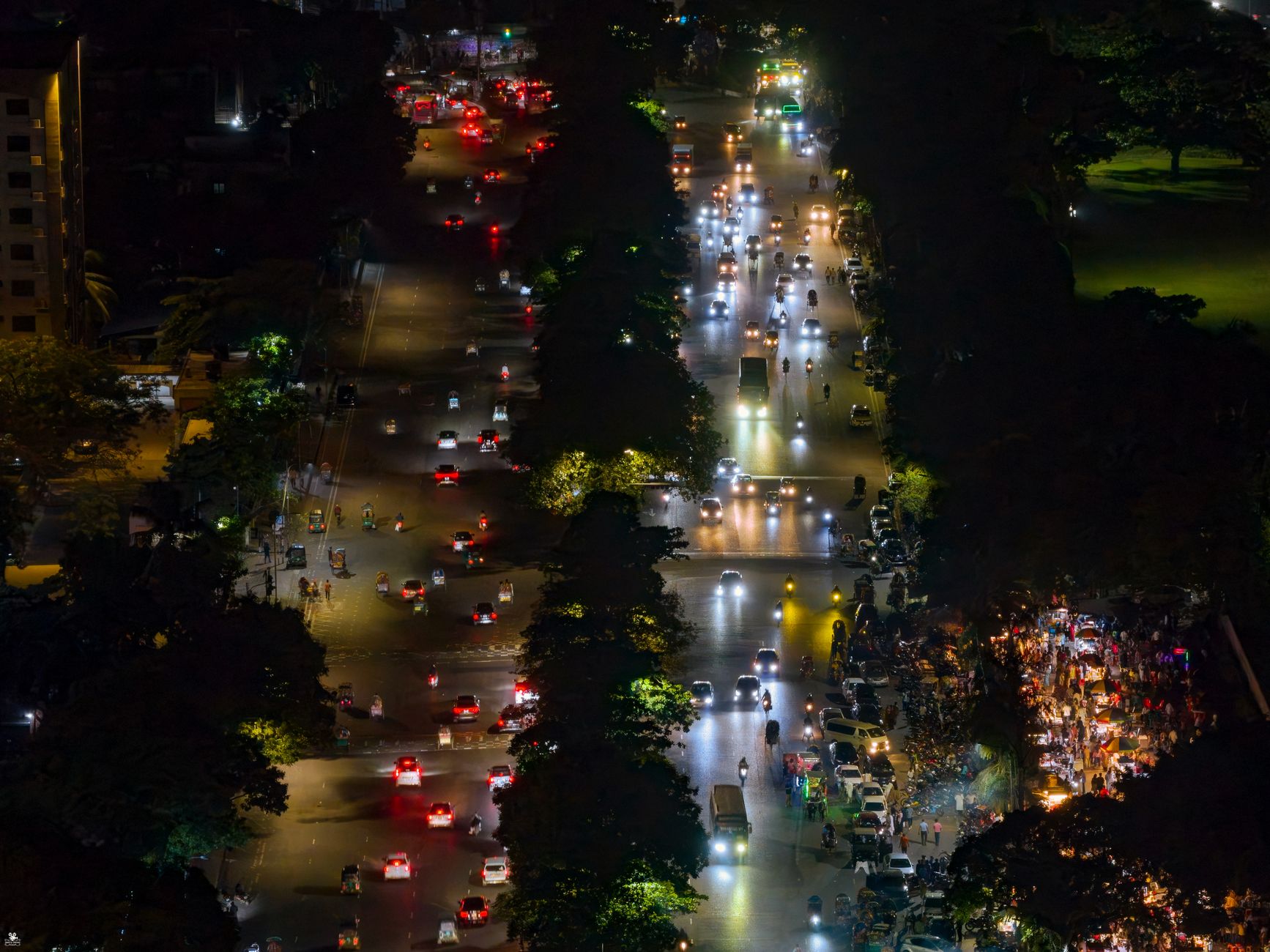
Safety Statistics Meet Street-Level Perception
Waymo has made a data-driven case that its vehicles perform well against human drivers, and the argument is a reasonable one on its face. The trouble is that statistical safety and lived experience are different things. People do not experience averages; they experience the one car that froze in an intersection, the one that circled a block repeatedly, or the one that blocked an emergency vehicle. Human mistakes feel familiar, even forgivable, because everyone has made them. Machine mistakes feel alien, and an alien mistake lands harder even when it is rarer.
Then there is the politics, which does not care much about crash rates. Ride-hail and taxi drivers see a direct threat to their income, and in cities with organized labor that opposition shows up at council meetings and in statehouse hearings. Transit advocates worry about more car trips on already crowded streets. Some residents simply resent a technology that arrived without a vote. The hostility has occasionally turned physical: Waymo vehicles have been vandalized, and during moments of civil unrest in more than one city they have been set on fire. Whatever people think of the violence, it shows that the cars have become symbols as well as products, and symbols attract anger that has little to do with how well the software drives.
The way through is mostly unglamorous. It means clean pickup and drop-off behavior, predictable handling around emergency responders, quick and candid explanations when something goes wrong, and visible coordination with city agencies rather than a surprise launch. Scale adds its own pressure, because a rare failure that happens once a year at small volume becomes a regular news item once thousands of rides a day are in play. The company does not need to be flawless in each new market. It needs to be boring, and boring is hard to achieve while a city is still deciding how it feels about you.
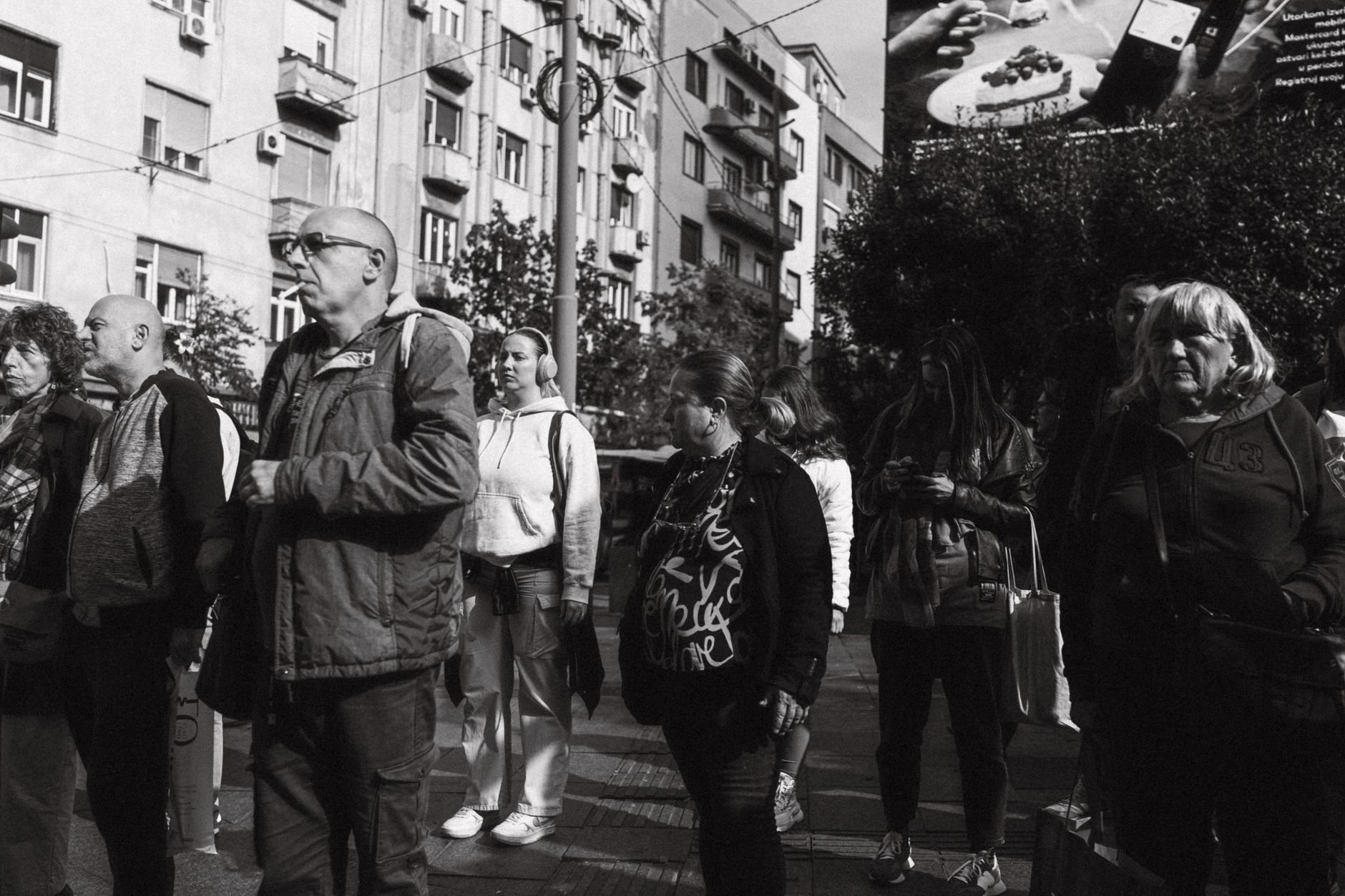
The Part Software Cannot Ship
A robotaxi can drive well and still lose a city, because the people who share the road with it get a vote that no safety report can cast for them.