


Podcasts used to be the one medium you could consume while doing something else. Now a growing number of them ask you to look at the screen.
From Earbuds to Living Room Screens
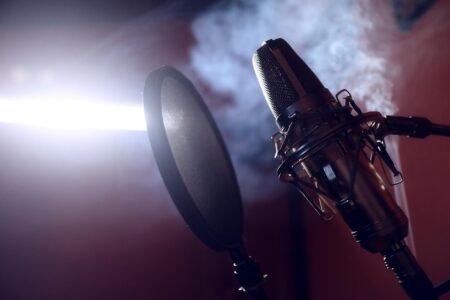
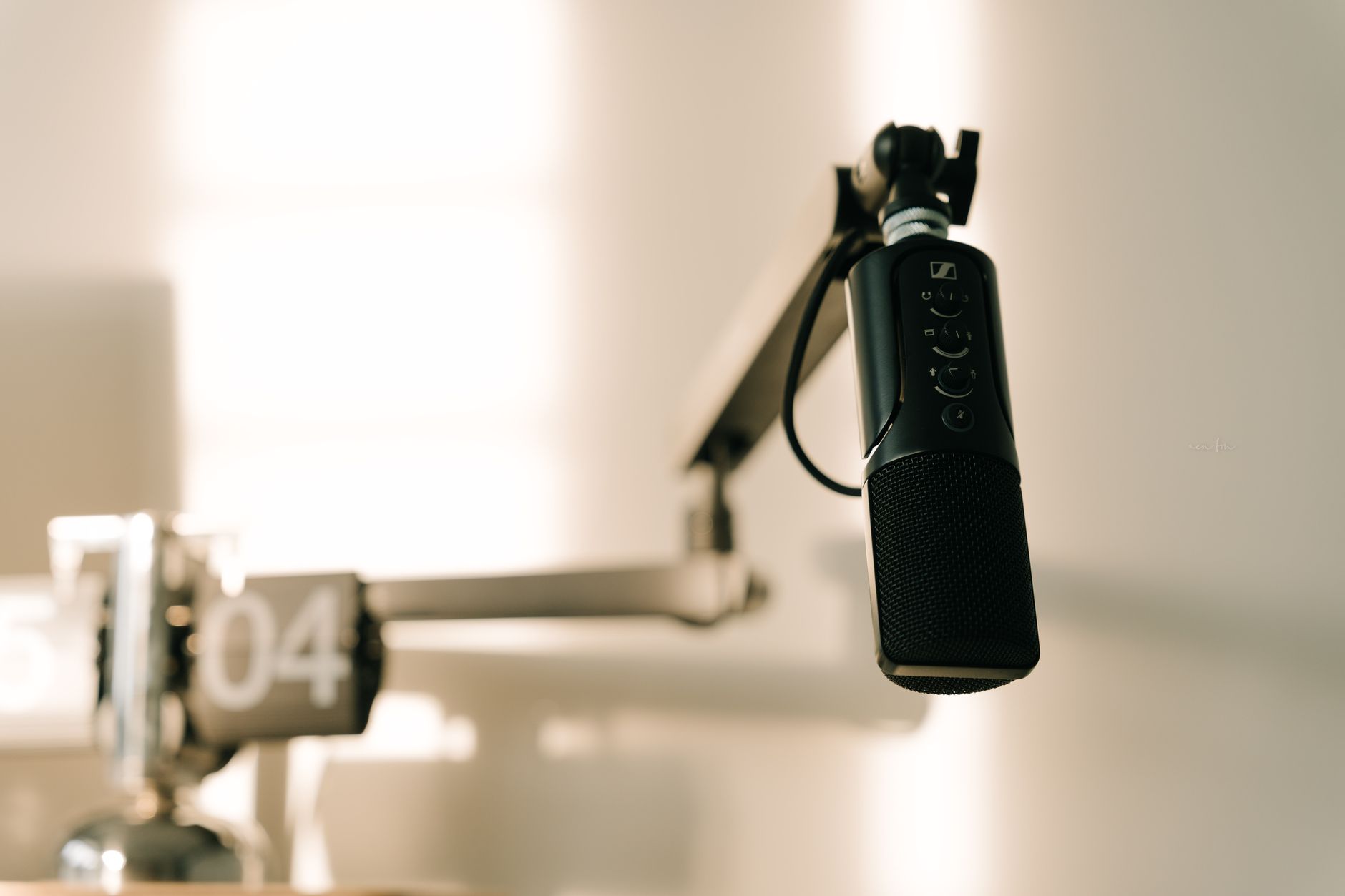
Video podcasting isn’t new, but the economics behind it have changed. Not long ago, most shows recorded audio and treated any camera footage as a bonus for the occasional superfan. Today many are built around the camera from the first planning meeting. They have set design, multiple angles, deliberate lighting and microphones on boom arms placed squarely in frame. The result looks less like a recording session and more like a late-night talk show shot in a spare room.
The main reason is discovery. Audio-only podcasting has always had a browsing problem. A podcast app is a grid of square cover art and episode titles, with almost no way to sample a show in ten seconds or to stumble onto something unfamiliar. Video solves this with thumbnails, headlines and short previews that a viewer can judge instantly and abandon at no cost. A thumbnail of a guest mid-reaction does work that a logo on a square tile never could.
Then there are the clips. A single two-hour conversation can be cut into dozens of short pieces, and each one works as a free advertisement for the full episode. Audio shows tried something similar with audiograms, a waveform animated over a static image, but those never felt like anything other than a workaround. A video clip carries faces, reactions, captions and context, which is exactly what short-form feeds reward.
Sponsors have noticed the difference too. A host-read ad in audio is heard once and forgotten. On video, a product can sit on the desk for the entire episode, and a mug or a laptop sleeve becomes a small, persistent ad unit. Some shows now plan their sets with that in mind.
Why YouTube Holds the Advantage
YouTube is a search engine and a recommendation engine in one, and that combination is what podcast directories never managed to build. Traditional podcast apps mostly show you what you already subscribed to or what is currently charting. On YouTube, someone searching for a repair tutorial or watching a news clip can end up in the middle of a long interview they never planned to watch. For a medium that has struggled to reach beyond its existing audience, that is a significant opening.
The screen matters as well. A lot of YouTube viewing now happens on living room televisions, which puts long-form conversation in the same place as sitcoms and sports. An hour of two people talking is also ideal ambient viewing. It can run in the background while someone cooks or folds laundry, and it still holds attention when they glance up. The line between “listening” and “watching” has blurred, and YouTube sits on the blurry side.
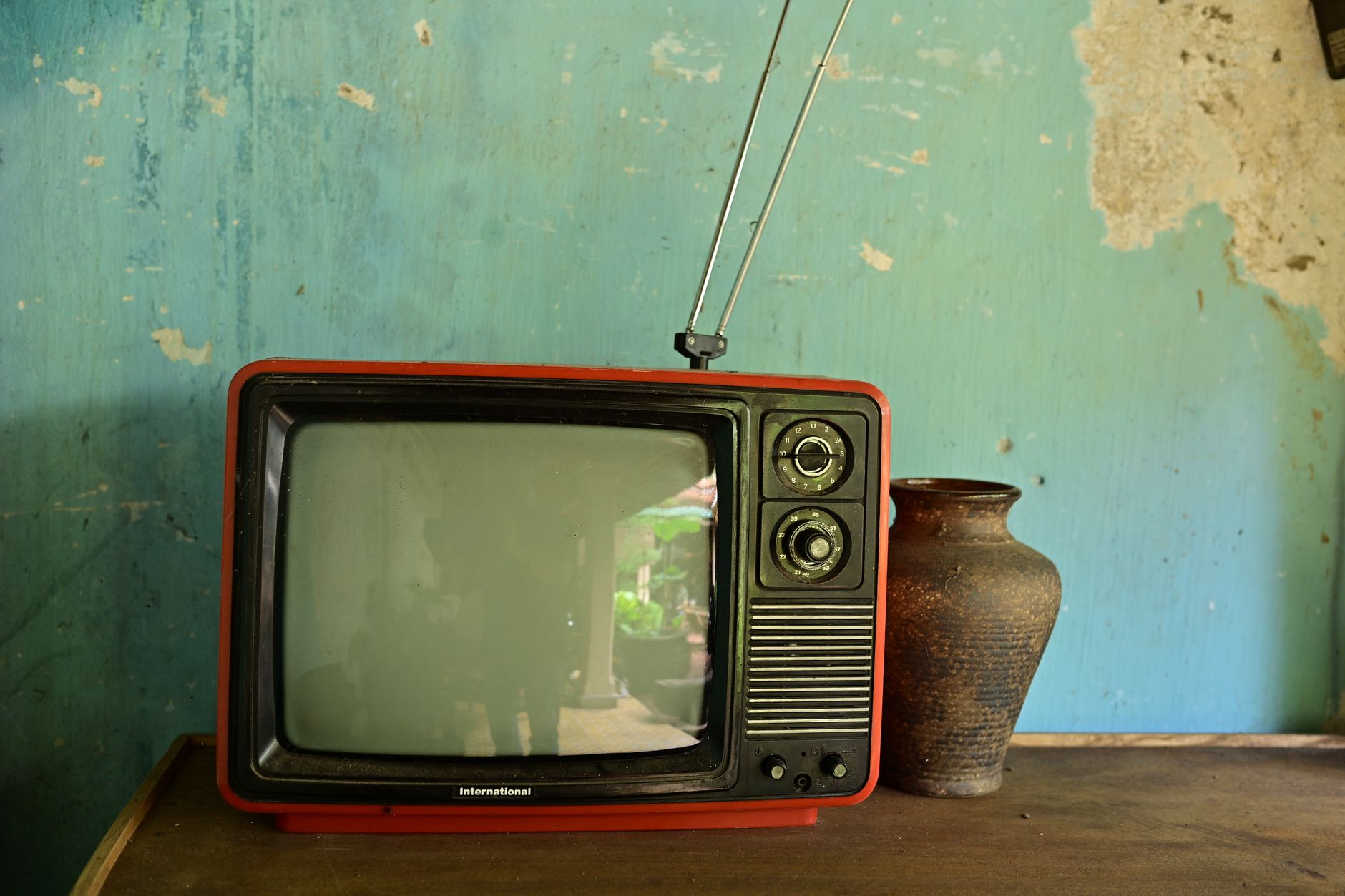
The habit was already there. People had been leaving YouTube running for music, lectures and ambient noise long before anyone called it a podcast platform.
The distribution mechanics add another layer. The open RSS system that built podcasting is both its strength and its weakness. Any app can play any show, so no single company owns the audience, but that also means no company can offer creators much beyond a download count. YouTube offers a closed but richer loop of comments, likes, watch-time curves, community posts, paid memberships and a direct share of ad revenue. A creator can see the exact minute where viewers drift away and adjust the next episode. Download numbers in audio are blunt by comparison. The trade-off is dependence on one company’s algorithm, one company’s rules and one company’s decisions about what counts as monetizable.
Rivals are not standing still. Spotify has pushed hard into video and has spent heavily on exclusive deals in the past, and Apple has been adding features of its own. Google folded its standalone Podcasts app and pointed listeners toward YouTube Music, a sign of where it expects the audience to live. Production costs are also falling, since automated cleanup tools of the kind covered in How AI Podcast Editing Is Replacing Traditional Audio Engineers now handle work that once needed a dedicated engineer. That lowers the barrier for anyone willing to add a camera to the setup.
What Gets Lost on the Way to Video
Audio’s greatest strength was that it asked for nothing but your ears. It worked in the car, at the gym and in the kitchen, and the host’s voice felt like it was sitting in your head rather than performing for you. Video changes the relationship. Hosts now have to think about how they look, guests may be booked partly on camera presence, and the conversation itself can start to bend toward whatever makes a good clip. A thoughtful tangent is a weak thumbnail, while a heated exchange is a strong one.
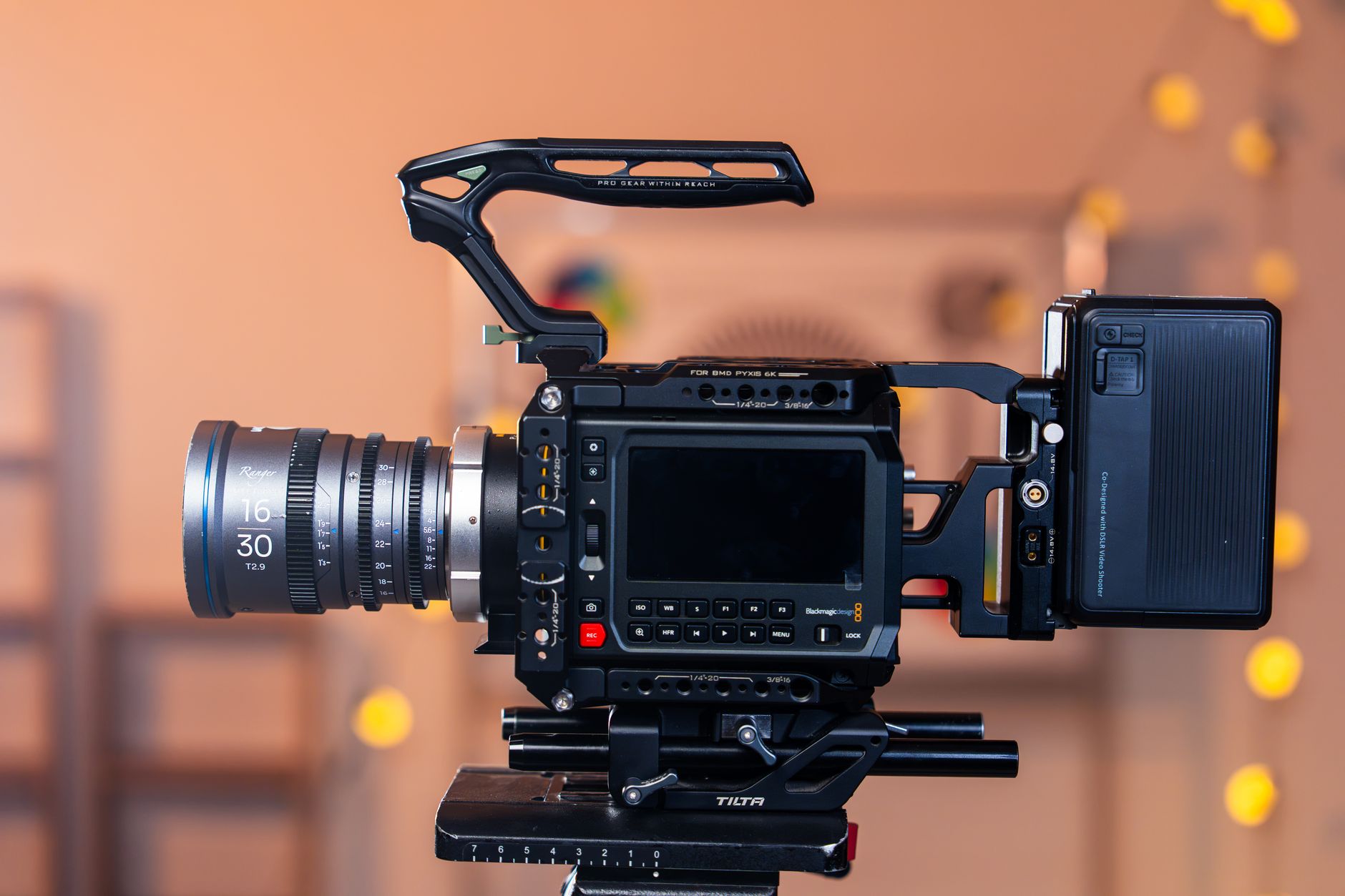
Small independent shows face a quieter pressure. A two-person audio podcast recorded on decent microphones was once on equal footing with a studio production. Add video and the gap widens, since lighting, camera quality and editing all become part of the product. If the best-performing version of a podcast is the one you watch, is it still a podcast, or just a talk show that never got renamed?
Frequently Asked Questions
Why are podcasts moving to video?
Video makes shows easier to discover through thumbnails, search and short clips, and it gives sponsors more visual ways to appear in an episode.
Why does YouTube have an advantage over other podcast platforms?
YouTube combines search and recommendations, reaches viewers on TV screens, and gives creators detailed audience data and direct revenue sharing.
Does video hurt audio-only podcasts?
It can raise the bar for production, since lighting and camera quality now count, which puts pressure on small independent shows that rely on audio alone.