




What do a late-night skincare demo, a cookware pitch and a stack of overstock sneakers have in common? Increasingly, they all happen inside a live video window with a shopping cart button hovering at the bottom of the screen. The host talks, the chat scrolls, a timer counts down, and somewhere in the middle a viewer who opened the app to kill five minutes ends up with a package on the way.
Live shopping is not new to American audiences. Cable networks built entire businesses on the idea decades ago, and several apps have tried to bring it online since. What TikTok Shop changed is the starting point. It doesn’t ask people to go looking for a shopping stream. It drops the stream into a feed they already scroll for hours, and that small shift in placement is turning a niche behavior into a routine one.
Why the Live Format Sells
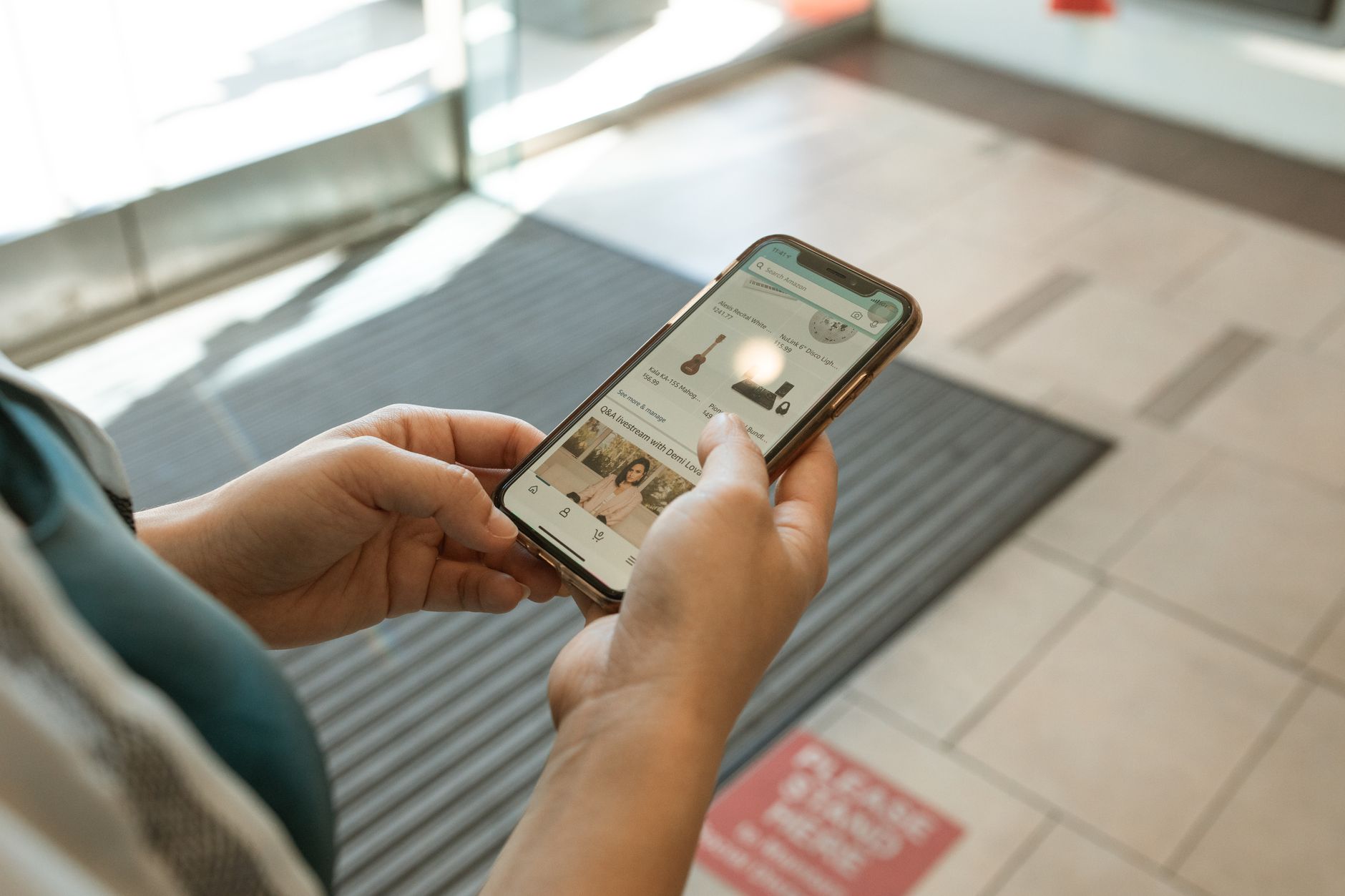
A product photo asks the buyer to imagine. A live demo shows them. When a host pours a liquid foundation onto a forearm, stretches a pair of leggings to its limit or asks a viewer to name the exact shade they want to see, the usual doubts about fit, texture and size get answered while the purchase impulse is still warm. The seller is doing the job of a product page, a customer service rep and a salesperson at the same time.
Then there is the clock. Live sales run on limited quantities and short windows, which gives viewers a reason to act now instead of bookmarking an item and forgetting it. The chat adds a social layer, because watching other people ask questions and claim items makes the whole thing feel like an event rather than a transaction. None of these tricks is new, but stacking them inside a single app, with checkout one tap away, removes nearly every moment where a shopper might wander off.
How TikTok Built the Machine
The platform’s real advantage is discovery. A traditional storefront has to buy or earn traffic before anyone can sell anything. TikTok’s recommendation engine hands out attention to videos and streams based on how people react, not on how large the account is, which means a small seller with a good pitch can reach strangers within minutes. That opens the door for brands and individual sellers who could never afford a prime ad slot elsewhere.
Creators are the second piece. Through the affiliate program, a creator can promote a product from another seller and earn a commission on each sale, so a stream does not have to come from the brand itself. A host with a loyal audience can feature items from several sellers in one session, and brands get a salesperson they don’t have to employ. The incentive structure rewards anyone who can hold an audience, which explains why so many ordinary accounts have started experimenting with going live.
The third piece is the plumbing. In-app checkout means shoppers don’t need to leave the video, create an account elsewhere or retype payment details. Fulfillment options, including services where TikTok handles warehousing and shipping for sellers, take some of the logistical burden off small operations. Each of these features sounds minor on its own, yet together they cut the distance between “that looks nice” and “order placed” to a few seconds.
Habit is what happens when that friction stays low for long enough. Platform-run sales events and recurring stream schedules give shoppers reasons to come back on a predictable rhythm, and a growing number of hosts now stream at the same time each week so their regulars know when to show up. Shopping stops being an errand and starts looking like appointment viewing.
The Work Behind the Stream
For sellers, going live is less glamorous than it looks from the viewer’s side. A stream can run for hours, and the host has to stay energetic, answer questions, track inventory and keep the pace up even when the chat goes quiet. Many sellers treat it like a part-time job on top of the one they already have. The format rewards stamina and personality as much as it rewards the quality of the product.
Not every corner of the creator economy is embracing live video, either. Some Twitch streamers have been moving toward pre-recorded content, a shift covered in Twitch Streamers Are Abandoning Live Broadcasting for Pre-Recorded Content, because live schedules are exhausting. Shopping hosts face the same fatigue, with one difference: their income is tied directly to being on camera when viewers are ready to buy.
Where the Model Gets Tested
Trust is the first test. Live selling creates pressure, and pressure can lead to impulse buys that end in returns. Shoppers who receive something that looks different from what they saw on screen may not forgive the platform as easily as they would a single bad seller. Counterfeits, exaggerated claims and slow shipping are the kinds of problems that can sour a habit before it fully forms.
Sellers also face a margin squeeze. Live events often come with steep discounts, platform fees and affiliate commissions, and these costs stack up fast on low-priced goods. A stream that looks like a runaway success on screen can leave a thin profit once every cut is taken. The sellers who last tend to be those with strong repeat customers or products with room in the price.
The biggest question sits outside the app. TikTok’s US operations have spent years under legal and political scrutiny, and any seller building a livestream business there is building on ground they don’t control. A follower count doesn’t travel to another platform, and a regular Tuesday-night audience can’t be exported in a spreadsheet.
Frequently Asked Questions
What is TikTok Shop livestream shopping?
It is a feature that lets sellers and creators demonstrate and sell products in live video, with viewers able to buy through in-app checkout without leaving the stream.
Why does live shopping convert viewers into buyers?
Live demos answer questions in real time, limited quantities create urgency, and the chat makes the experience feel social. Checkout stays inside the app, so there is little friction.
Can small sellers make money on TikTok Shop?
Yes, because the recommendation system can surface streams from small accounts. Profit depends on managing discounts, platform fees and affiliate commissions.
What are the main risks for sellers?
Thin margins, return rates, the stamina needed to stream regularly and dependence on a single platform with an uncertain regulatory future.