





TikTok users are discovering something unexpected when they turn off their screens but keep their audio running: the app transforms into a surprisingly effective podcast platform. The feature, originally designed to save battery life, has evolved into an unintentional competitor to traditional audio streaming services as creators produce longer-form content specifically designed for background listening.
This audio-only consumption pattern represents a significant departure from TikTok’s visual-first identity. Users report listening to educational content, storytelling, and even serialized audio series while commuting, exercising, or doing household chores. The shift challenges assumptions about how short-form video platforms can expand their reach beyond the traditional scroll-and-watch experience.

The Technical Foundation Behind Audio-First Content
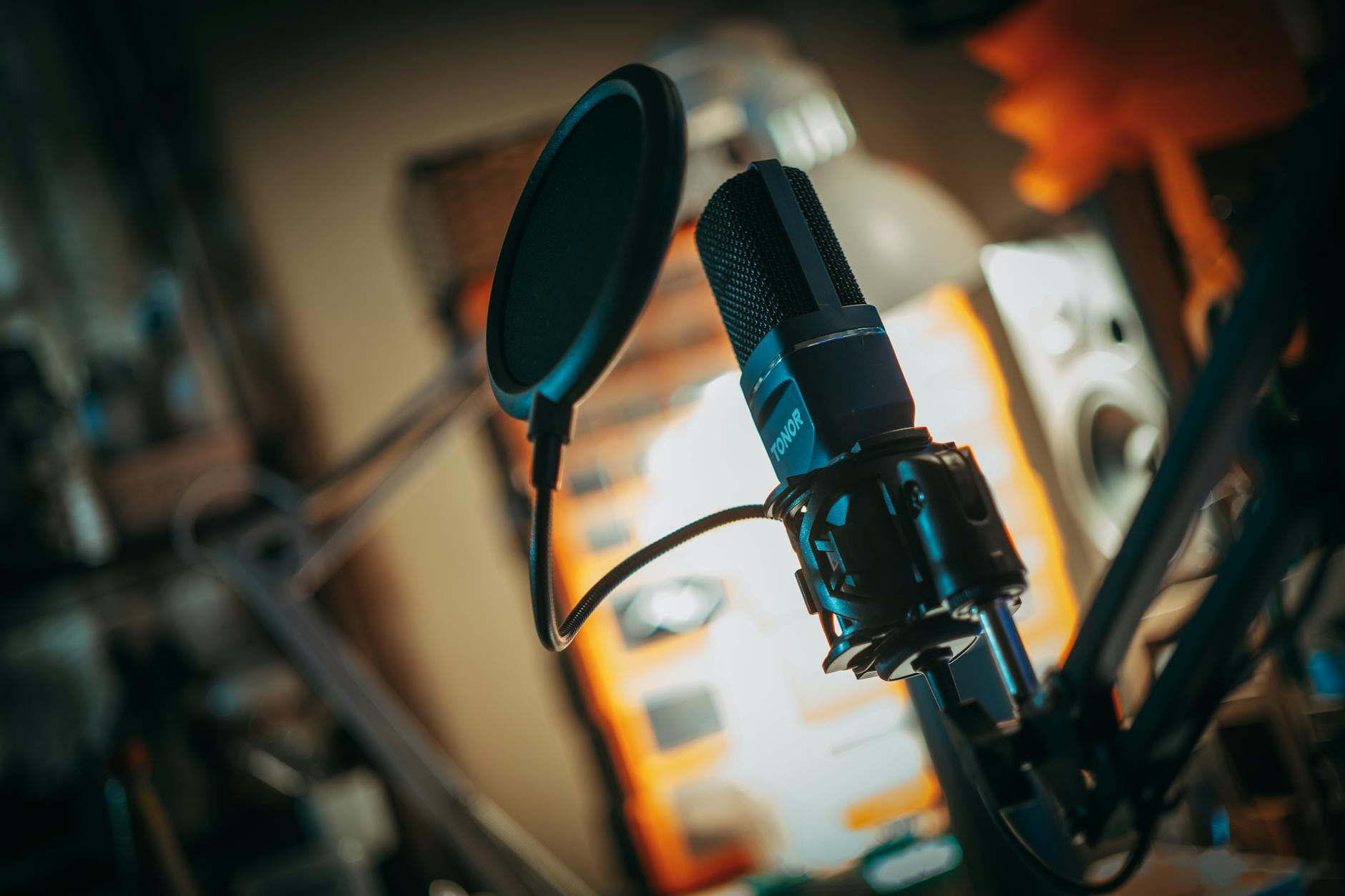
TikTok’s audio-only mode wasn’t initially marketed as a podcast alternative. The feature launched as a battery-saving tool that allowed users to continue consuming content while their phone screens remained dark. However, creators quickly realized they could optimize their content for this listening experience by focusing on clear narration, sound design, and verbal storytelling techniques borrowed from traditional radio and podcasting.
Content creators are now producing videos where the visual component serves as supplementary material rather than the primary focus. These include educational series about history, personal development advice, news commentary, and even fiction podcasts disguised as TikTok videos. The format works particularly well for content that relies on strong narration, ambient sounds, or music.
Audience Migration and Listening Patterns
The demographic embracing audio-only TikTok consumption skews older than the platform’s typical user base. Many are former podcast listeners who appreciate the discoverability and algorithmic curation that TikTok offers compared to traditional podcast platforms. Unlike podcast apps where discovery often relies on word-of-mouth or chart rankings, TikTok’s algorithm surfaces audio content based on listening behavior and engagement patterns.
Listening sessions on audio-only TikTok tend to be longer than traditional video viewing, with users often consuming content for 30-45 minutes at a time rather than the typical few minutes of active scrolling. This extended engagement creates new opportunities for creators to develop deeper relationships with their audiences and experiment with longer narrative formats.
The convenience factor plays a major role in this shift. Users don’t need to download separate apps, create new accounts, or navigate different interfaces. Their existing TikTok following transfers seamlessly to audio consumption, and the platform’s recommendation system continues to function based on their established preferences and viewing history.
Platform metrics show that audio-only sessions have different engagement patterns than visual viewing. Comments and shares often occur after the listening session ends, when users return to the app to interact with creators. This delayed engagement creates interesting dynamics around community building and content discussion.
Creator Monetization and Content Strategy
Content creators are adapting their monetization strategies to accommodate audio-only listeners. Traditional visual sponsors and product placements don’t translate well to audio-only consumption, pushing creators toward affiliate marketing, services promotion, and audio-friendly brand partnerships. Some creators now produce dual versions of content: visually rich videos for traditional viewing and audio-optimized versions for background listening.
The format particularly benefits creators in educational niches, true crime, and storytelling categories. These genres already rely heavily on narration and can easily adapt to audio-only consumption without losing their core value proposition. Comedy creators face more challenges, as visual timing and expressions often contribute significantly to their content’s effectiveness.
Market Implications for Audio Streaming
Traditional podcast platforms are taking notice of TikTok’s unintentional entry into their space. The social media platform’s superior discovery algorithms and younger user base represent competitive advantages that established audio platforms struggle to match. Spotify and Apple Podcasts rely heavily on search functionality and recommendation systems that often favor established creators with large existing audiences.
TikTok’s approach to audio content distribution differs fundamentally from traditional podcasting. Instead of episode-based series with consistent publishing schedules, TikTok audio content follows the platform’s existing model of individual posts that can be consumed in any order. This fragmented approach appeals to listeners with shorter attention spans or those who prefer topic-based rather than show-based content consumption.
The advertising implications are significant. TikTok’s granular targeting capabilities and real-time engagement data provide advertisers with more precise audience insights than traditional podcast advertising offers. Platform monetization changes across social media are pushing creators to diversify their revenue streams, making audio-only content an attractive option for reaching audiences during previously untapped listening moments.
The success of audio-only TikTok consumption raises questions about whether other short-form video platforms will develop similar features or if TikTok will formalize its position in the audio space with dedicated tools and creator programs.
Frequently Asked Questions
How does TikTok’s audio-only mode work?
Users can turn off their screens while keeping audio playing, transforming video content into background listening experiences similar to podcasts.
Why are podcast listeners switching to TikTok’s audio mode?
TikTok’s algorithm offers better content discovery and curation compared to traditional podcast platforms that rely on search and charts.