





Your bank account just got a security upgrade you’ve been waiting a decade for. Major financial institutions are finally ditching passwords in favor of biometric authentication, and the shift is happening faster than anyone predicted.
Chase, Bank of America, and Wells Fargo have all rolled out fingerprint and facial recognition login systems across their mobile apps this year. Capital One went further, eliminating password requirements entirely for new account signups. The banking industry, historically cautious about adopting new technologies, is embracing passwordless authentication with unprecedented speed.
The timing isn’t coincidental. Data breaches exposed over 2.6 billion passwords in 2023 alone, and financial institutions bore the brunt of credential-based attacks. Meanwhile, biometric technology has matured enough to offer both security and convenience – a combination that finally makes sense for mainstream banking.
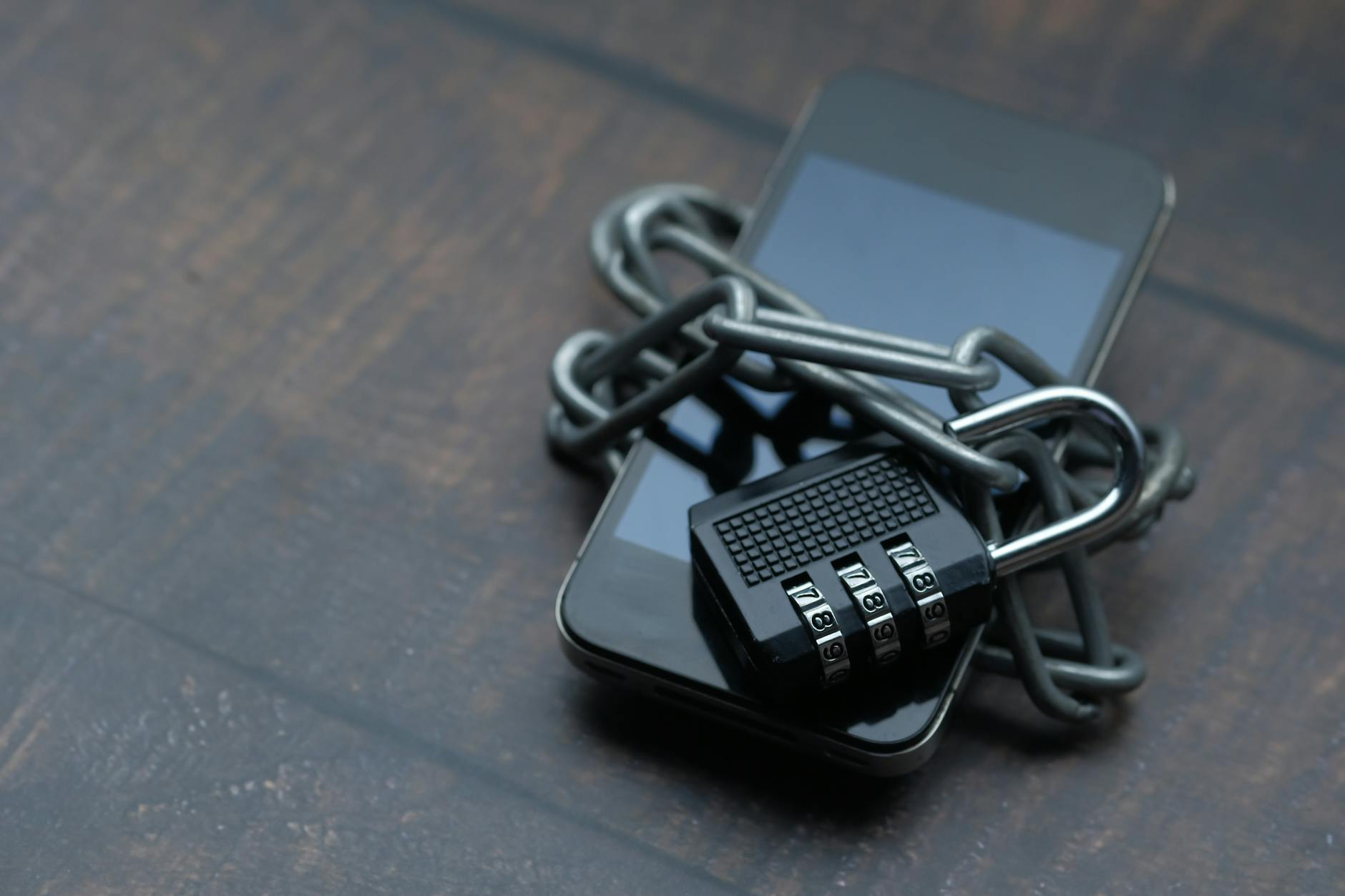
The Technology Behind the Shift
Modern passwordless authentication relies on three core technologies working in concert: biometrics, hardware security keys, and WebAuthn protocols. Apple’s Face ID and Touch ID paved the way, but banking applications require additional layers of security that go beyond consumer devices.
Banks now use what’s called “continuous authentication” – your device constantly verifies your identity through multiple biometric markers. Your typing patterns, how you hold your phone, even your walking gait contribute to a unique digital signature. If something seems off, the system triggers additional verification steps.
The technical infrastructure supporting this shift represents billions in investment. JPMorgan Chase spent over $12 billion on technology in 2023, with a significant portion dedicated to authentication systems. These aren’t simple app updates – banks are rebuilding their entire security architecture from the ground up.
Hardware plays a crucial role too. Modern smartphones include dedicated security chips called Trusted Platform Modules that store biometric data locally. Your fingerprint never leaves your device, addressing privacy concerns that have historically slowed adoption.
Consumer Adoption Rates Tell the Story
The numbers reveal how quickly users embrace passwordless banking once it’s available. Bank of America reported that 78% of mobile users switched to biometric login within six months of launch. Chase saw similar adoption rates, with fingerprint authentication becoming the primary login method for over 70% of their mobile customers.
Age demographics paint an interesting picture. While younger users adopted the technology immediately, customers over 50 showed surprising enthusiasm. Security concerns about passwords outweighed hesitation about new technology, particularly after high-profile breaches affected major retailers and social media platforms.
Regional adoption varies significantly. Urban markets in California and New York saw adoption rates exceeding 80%, while rural areas in the Midwest lagged behind at around 45%. The difference correlates with device compatibility – newer smartphones support advanced biometric features that older models lack.
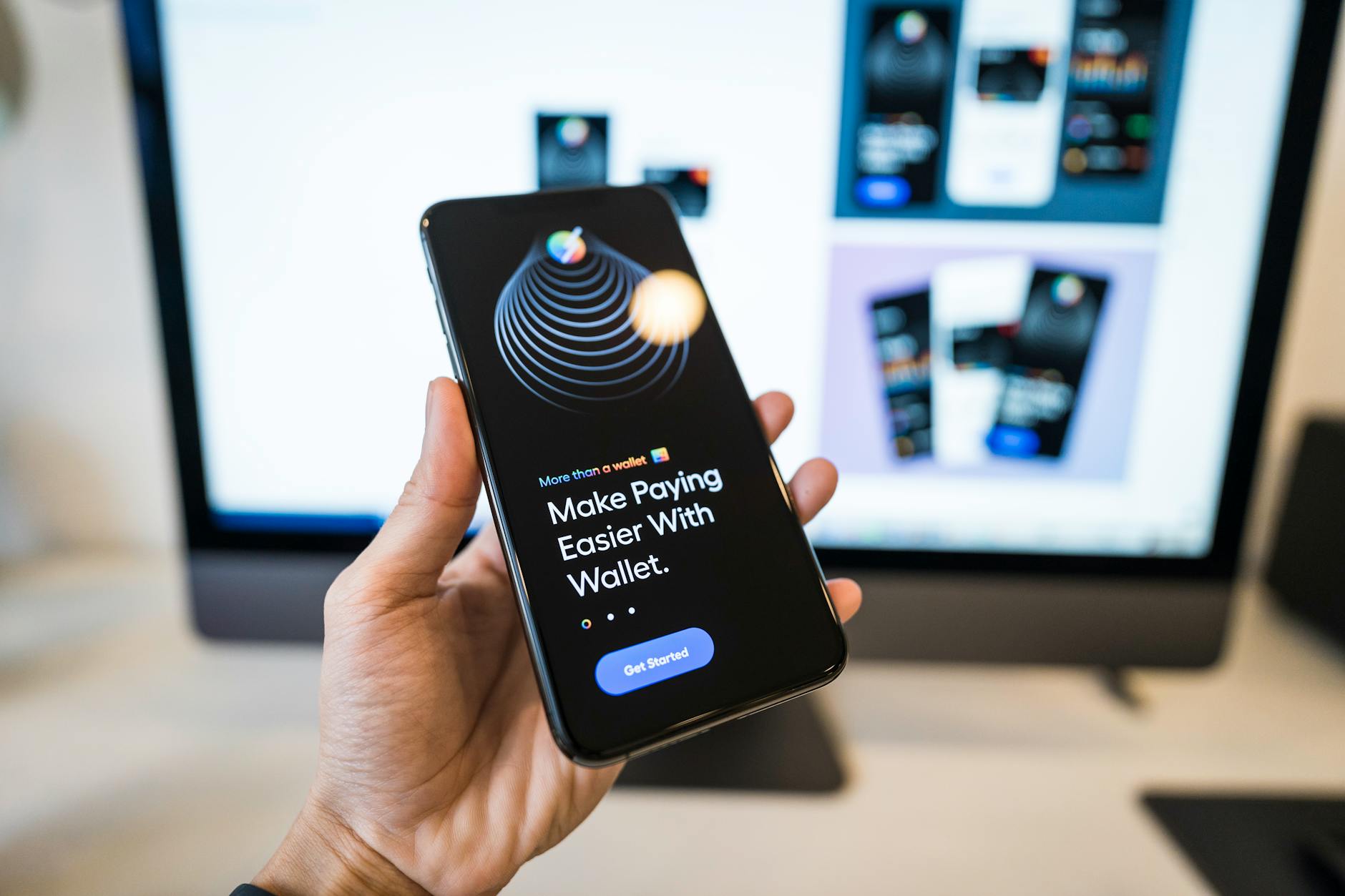
Customer service data reveals another compelling trend. Password-related support calls dropped by 60% at banks offering biometric authentication. Users no longer forget complex passwords or get locked out of accounts, reducing friction and support costs simultaneously.
Security Benefits Beyond Convenience
Traditional passwords create multiple vulnerability points. Users reuse the same credentials across platforms, store them in unsecured browsers, or choose weak combinations. Biometric authentication eliminates these human factors entirely.
Advanced spoofing attempts still exist – sophisticated attackers can create fake fingerprints or use high-resolution photos to fool facial recognition systems. However, modern banking applications combine multiple biometric factors with device-based authentication, making successful attacks exponentially more difficult.
The real security advantage lies in eliminating credential databases. Banks no longer store password hashes that hackers can steal and crack. Your biometric template exists only on your device, encrypted and inaccessible to external threats.
Financial institutions also gain real-time fraud detection capabilities. Unusual biometric patterns can indicate account takeover attempts, triggering immediate security responses. This proactive approach represents a fundamental shift from reactive password-based security models.
Regulatory and Industry Challenges
Banking regulations haven’t caught up with passwordless authentication technology. The Federal Financial Institutions Examination Council still references password complexity requirements in official guidance, creating compliance headaches for innovative banks.
International banking presents additional complications. European GDPR regulations treat biometric data as highly sensitive, requiring explicit consent and specific storage protocols. Asian markets have different privacy expectations, and some countries restrict biometric data collection entirely.
Industry standardization remains fragmented. While WebAuthn provides a common framework, individual banks implement proprietary solutions that don’t interoperate. A customer using Chase’s biometric system can’t transfer that authentication to Bank of America, creating potential switching costs.
The technology also raises accessibility questions. Visual impairments can interfere with facial recognition, arthritis affects fingerprint scanning, and some medical conditions impact biometric consistency. Banks must maintain alternative authentication methods while transitioning to passwordless systems.
Integration with Emerging Technologies
Banks are connecting passwordless authentication with other technological advances. AI systems analyze authentication patterns to detect anomalies and potential fraud attempts in real-time.
Voice recognition represents the next frontier. Several major banks are testing voice biometrics for phone-based customer service, eliminating the need for security questions and account numbers. The technology shows promise but requires sophisticated noise filtering and accent adaptation.
Wearable device integration is gaining traction. Apple Watch and Samsung Galaxy Watch can authenticate banking transactions through heart rate patterns and wrist movement signatures. This ambient authentication happens without user intervention, creating seamless security experiences.

The Path Forward
Industry experts predict that traditional passwords will become obsolete in banking within five years. The remaining holdouts face competitive pressure as customers gravitate toward more convenient and secure authentication methods.
However, the transition requires careful orchestration. Banks must maintain legacy systems for older customers while investing in cutting-edge biometric infrastructure. The dual approach increases costs but ensures no customers are left behind.
Privacy regulations will continue evolving to address biometric authentication. Banks that establish strong privacy frameworks now position themselves advantageously for future compliance requirements.
The passwordless banking revolution represents more than technological advancement – it signals a fundamental shift in how we think about digital security. As biometric authentication becomes ubiquitous, the concept of memorizing complex passwords will seem as antiquated as using paper checks to pay bills.
Early adopters have proven that passwordless authentication delivers on its promises of enhanced security and improved user experience. The question isn’t whether this technology will become standard in banking – it’s how quickly the industry can complete the transition while maintaining the trust that financial relationships require.
Frequently Asked Questions
Is biometric banking authentication secure?
Yes, modern biometric systems store data locally on devices and use multiple authentication factors, making them more secure than passwords.
What happens if biometric authentication fails?
Banks maintain backup authentication methods including SMS codes, security questions, and customer service verification for accessibility and reliability.