




The Ritz-Carlton in Tokyo just replaced three human concierges with robots that speak seven languages fluently. The Four Seasons in Miami now has a fleet of AI assistants roaming the lobby, answering guest questions and booking restaurant reservations with machine precision. Welcome to hospitality’s robot revolution – where luxury hotels are betting that artificial intelligence can deliver the ultimate personalized service.
This year marks a tipping point for AI concierge technology in high-end hospitality. Major hotel chains including Marriott, Hilton, and Hyatt have begun pilot programs deploying sophisticated robot assistants in their flagship properties. These aren’t the novelty robots of years past – they’re powered by advanced language models and equipped with computer vision to recognize returning guests and anticipate their needs.

The Technology Behind Luxury AI Concierges
Modern hotel robots represent a massive leap from their predecessors. Companies like SoftBank Robotics and Savioke have developed machines that integrate natural language processing with facial recognition and predictive analytics. The latest models can remember a guest’s previous stay preferences, dietary restrictions, and even their preferred room temperature.
The Cosmopolitan in Las Vegas recently installed AI concierges that can access the hotel’s entire database in real-time. When a guest approaches, the robot pulls up their profile, previous stays, and current reservation details. It can instantly book spa appointments, recommend restaurants based on past dining history, and even arrange transportation – all while maintaining conversation in over a dozen languages.
These systems cost hotels between $50,000 to $200,000 per unit, but properties report significant returns through reduced staffing costs and improved guest satisfaction scores. The Peninsula Hotels group notes their AI concierges handle roughly 60% of routine guest inquiries, freeing human staff to focus on complex requests and relationship building.
Guest Experience and Service Quality
Early adopter hotels report surprising results about guest acceptance. The St. Regis in New York found that 73% of guests preferred interacting with their AI concierge for basic services like wake-up calls, room service orders, and local recommendations. Guests particularly appreciate the robots’ ability to provide instant responses without language barriers or cultural misunderstandings.
However, the technology shines brightest in its ability to learn and adapt. The Mandarin Oriental’s AI system tracks guest preferences across visits, building detailed profiles that human staff might miss. When a regular guest checks in, the robot already knows they prefer extra pillows, late checkout, and restaurant recommendations for vegetarian cuisine.
The robots also excel at handling multiple requests simultaneously. While a human concierge might juggle three conversations, AI systems can engage with dozens of guests through their mobile apps, chat interfaces, and physical interactions without missing details or showing fatigue.

Cost Savings and Operational Efficiency
The financial incentives driving this adoption are compelling. Traditional concierge services require 24/7 staffing across multiple shifts, with experienced professionals commanding salaries of $40,000 to $80,000 annually. A single AI concierge can operate continuously without breaks, sick days, or vacation time.
The Fairmont chain reports their AI concierges reduce routine inquiry handling time by 45%, allowing human staff to focus on high-value services like personalized itinerary planning and special event coordination. This efficiency translates directly to improved guest satisfaction – the average response time for basic requests dropped from 8 minutes to under 30 seconds.
Hotels also benefit from data collection capabilities. AI systems automatically track service patterns, popular requests, and guest preferences, providing management with detailed analytics about guest behavior and service demand. This data drives everything from staffing decisions to amenity offerings.
The technology proves particularly valuable during peak seasons when traditional staffing becomes strained. While human concierges might become overwhelmed during busy periods, AI systems maintain consistent service quality regardless of volume.
Implementation Challenges and Guest Relations
Despite the advantages, luxury hotels face significant hurdles in robot deployment. Guest expectations at high-end properties center around personalized, human interaction. The challenge lies in maintaining the warmth and intuition that defines luxury service while leveraging AI efficiency.
The Shangri-La Hotels group learned this lesson when early robot deployments received mixed reviews from long-term guests who valued relationships with specific staff members. The solution involved positioning AI concierges as supplements to, rather than replacements for, human staff. The robots handle routine tasks while human concierges focus on relationship building and complex problem-solving.
Technical limitations also persist. While AI excels at information retrieval and standard requests, it struggles with nuanced situations requiring empathy, cultural sensitivity, or creative problem-solving. When a guest needs help with a family emergency or special celebration planning, human staff remain irreplaceable.
Training represents another significant investment. Hotel staff must learn to work alongside AI systems, understanding when to intervene and how to seamlessly hand off complex requests. This hybrid approach requires careful coordination and ongoing staff development.
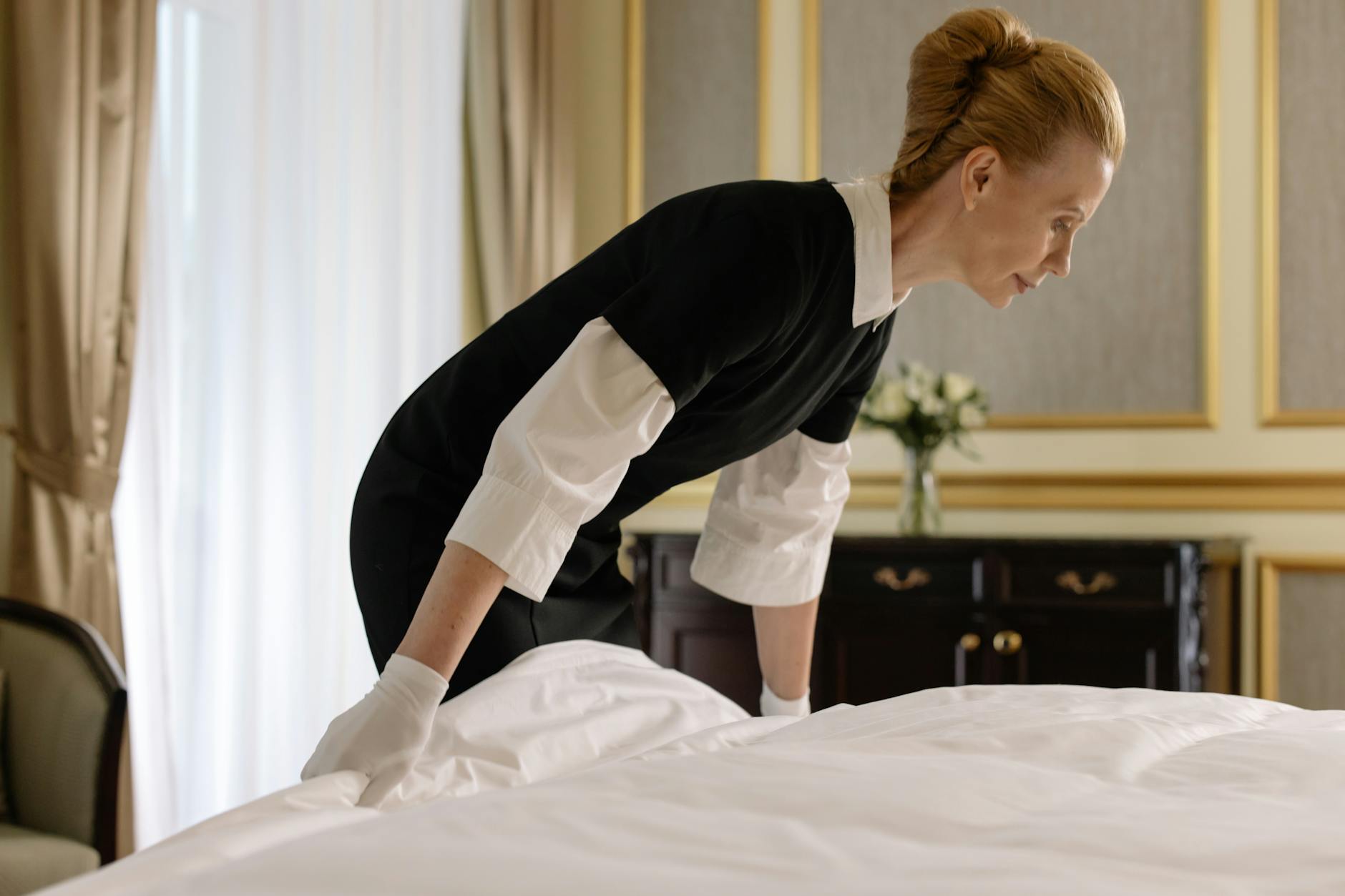
The integration of AI concierge technology in luxury hotels reflects broader trends in travel and hospitality automation. Digital nomads are flocking to co-living apps that offer automated booking and service management, while hotels race to meet these evolving expectations for instant, personalized service.
Industry analysts predict that by 2025, over 40% of luxury hotel chains will deploy some form of AI concierge technology. The key to success lies not in replacing human hospitality, but in creating seamless partnerships between artificial intelligence and human intuition. As these systems continue evolving, they promise to redefine what personalized service means in the digital age.
The hotels that master this balance – leveraging AI for efficiency while preserving human warmth for meaningful interactions – will likely set the standard for luxury hospitality in the coming decade.
Frequently Asked Questions
How much do AI concierge robots cost hotels?
Hotels typically invest between $50,000 to $200,000 per AI concierge unit, with most reporting positive returns through reduced staffing costs.
What services can AI hotel concierges provide?
AI concierges handle room service orders, restaurant bookings, local recommendations, wake-up calls, and basic guest inquiries in multiple languages.