





The inbox that once defined professional communication is becoming a digital graveyard for Generation Z. While millennials and Gen X cling to email threads and CC lists, the youngest workforce is quietly orchestrating a communication revolution that prioritizes speed, transparency, and real-time collaboration over formal protocols.
Recent workplace studies reveal a striking pattern: employees under 25 spend 60% less time in email compared to their older colleagues, instead gravitating toward Slack, Discord, Microsoft Teams, and other messaging platforms that mirror their social media habits. This shift represents more than just a preference-it’s reshaping how entire organizations communicate internally.
The change becomes evident in hiring practices. Companies report that new Gen Z employees often struggle with email etiquette but excel at cross-functional collaboration through messaging platforms. They instinctively understand threading, channel organization, and asynchronous communication in ways that translate directly to business productivity.
The Speed and Transparency Advantage
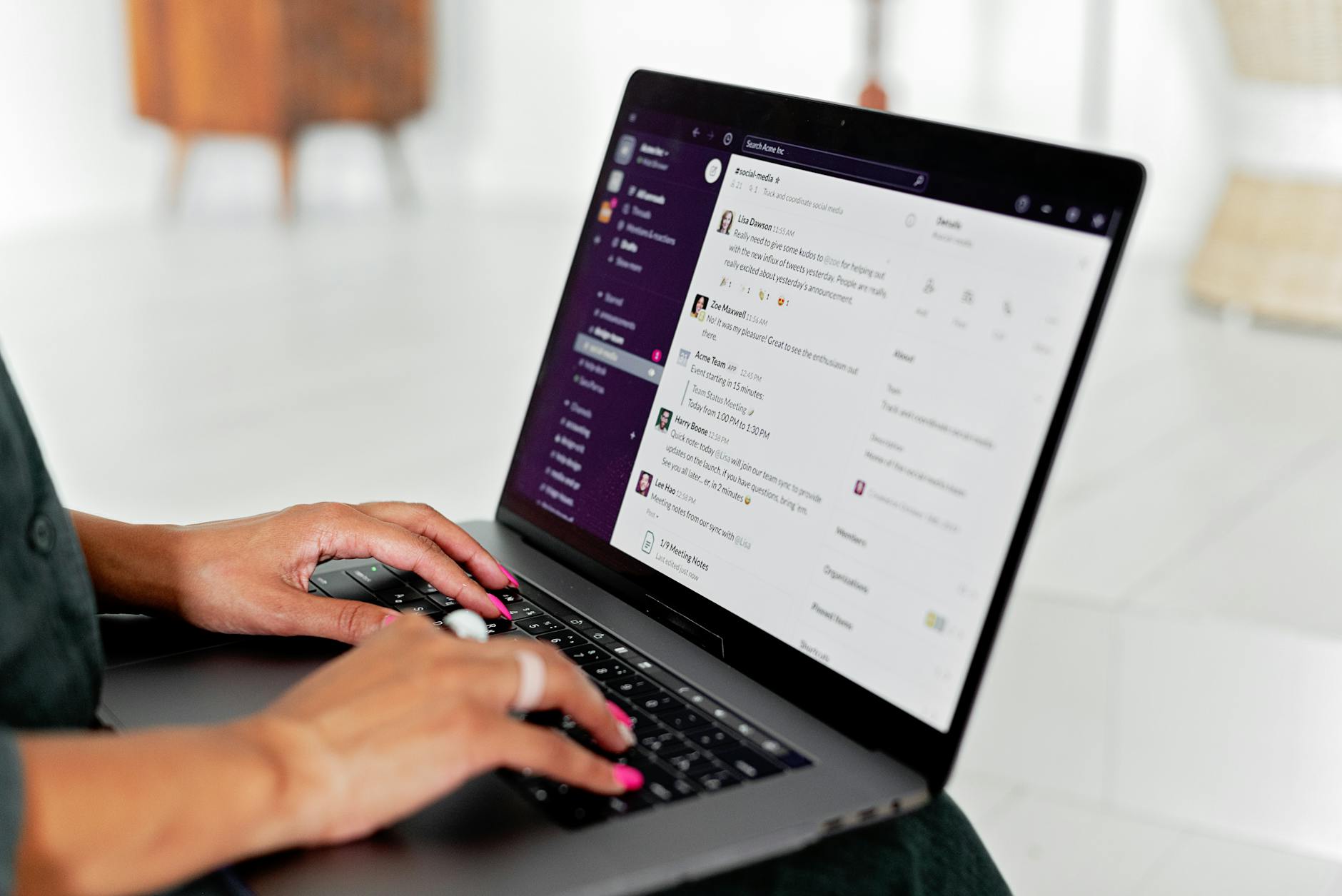
Traditional email creates information silos that Gen Z finds frustrating and inefficient. When a marketing coordinator needs approval for a campaign, emailing back and forth with multiple stakeholders can take days. Slack-style messaging allows the same conversation to happen in a shared channel where everyone can see progress in real-time.
“Email feels like sending letters,” explains Maya Chen, a 24-year-old product manager at a San Francisco startup. “I’ll post something in our team channel and get three responses before I could even craft a formal email subject line.”
This preference extends beyond convenience. Gen Z has grown up with social platforms that provide instant feedback, read receipts, and visible engagement metrics. Email’s black box approach-where messages disappear into inboxes with no guarantee of being read or understood-feels antiquated by comparison.
The transparency aspect particularly appeals to younger workers who value inclusive communication. When decisions happen in private email threads, junior employees often feel excluded from important discussions. Public channels democratize information access and allow newer team members to learn by observing experienced colleagues’ communication patterns.
Companies are adapting their communication policies accordingly. Adobe recently restructured their internal communications to reduce email volume by 40%, shifting routine updates and project discussions to Slack channels. The result: faster project completion times and increased participation from younger employees who previously remained silent in traditional meetings.
Cultural Collision in Mixed-Generation Workplaces
The generational divide creates friction in workplaces where communication preferences clash. Senior executives who built careers on formal email protocols often interpret casual messaging as unprofessional or disrespectful. Meanwhile, Gen Z employees view lengthy email chains as bureaucratic obstacles to getting work done.
This tension plays out in subtle but significant ways. Gen Z workers report feeling anxious about email composition, spending excessive time crafting messages they worry might sound too casual or too formal. Conversely, older managers complain that quick Slack messages lack proper context or documentation needed for complex decisions.

Some organizations are bridging this gap through communication training that works both directions. At consulting firm Deloitte, workshops teach seasoned professionals how to engage effectively in messaging platforms while coaching younger employees on when formal email communication remains necessary-particularly for client interactions and legal documentation.
The hybrid approach is becoming standard practice. Internal team coordination happens through messaging platforms, while external communications and official documentation still rely on email. This dual-system approach acknowledges generational preferences while maintaining professional standards for different contexts.
Legal and compliance departments initially resisted the shift toward messaging platforms, citing concerns about record-keeping and discovery processes. However, enterprise versions of Slack and Microsoft Teams now offer robust archiving and search capabilities that often exceed email systems for finding and preserving communications.
The Rise of Async Communication Mastery
Gen Z’s messaging platform proficiency extends beyond casual conversation into sophisticated project management and cross-timezone collaboration. They intuitively understand how to structure channels, use threading effectively, and leverage integrations with other productivity tools.
This skill set proves particularly valuable for remote and hybrid work arrangements. While older employees might schedule multiple video calls to coordinate projects, Gen Z workers often accomplish the same coordination through well-organized channel discussions that accommodate different schedules and time zones.
The asynchronous nature of modern messaging platforms aligns with Gen Z’s preference for flexible work styles. They can contribute to discussions during their peak productivity hours rather than being constrained by traditional meeting schedules. This flexibility often leads to more thoughtful contributions and better work-life boundaries.
Integration capabilities further enhance productivity. Gen Z employees readily connect messaging platforms with project management tools, calendars, and file sharing systems, creating seamless workflows that older colleagues often find complex. What appears as casual chatting is actually sophisticated workflow orchestration.
The trend toward AI integration in messaging platforms also appeals to Gen Z’s comfort with emerging technologies. Features like automated summaries, smart scheduling, and predictive text feel natural to users who grew up with similar capabilities in consumer apps.
Business Impact and Future Implications
Organizations embracing messaging-first communication report measurable improvements in project velocity and team satisfaction scores, particularly among younger employees. The real-time nature of these platforms reduces the lag time between questions and answers that traditionally slowed decision-making processes.

Customer service departments have noticed similar patterns, with Gen Z representatives excelling at managing multiple chat conversations simultaneously while struggling with traditional email-based support tickets. This shift is driving companies to reconsider their external communication channels as well.
The change parallels broader technological shifts happening across industries. Just as TikTok’s long-form video push is challenging YouTube creators by meeting users where they are, messaging platforms are meeting workplace communication needs in ways that feel native to digital natives.
Security considerations are evolving alongside these communication preferences. While password-free authentication is finally going mainstream in banking, messaging platforms are implementing similar seamless security measures that don’t impede the rapid communication flow that Gen Z values.
The trajectory suggests email won’t disappear entirely but will continue evolving into a more specialized tool for formal documentation and external communications. Internal collaboration is increasingly moving toward platforms that prioritize speed, transparency, and integration over formal protocols.
As Gen Z assumes leadership roles over the next decade, their communication preferences will likely become organizational standards rather than accommodations. The messaging-first workplace isn’t just a generational preference-it’s the foundation for how future organizations will coordinate, collaborate, and compete.
Frequently Asked Questions
Why does Gen Z prefer messaging platforms over email?
Gen Z values real-time communication, transparency, and the instant feedback they’re accustomed to from social media platforms.
How are companies adapting to Gen Z communication preferences?
Many organizations are reducing email volume by 40% and shifting to messaging platforms for internal coordination while keeping email for formal documentation.