





Discord’s voice channels sparked something bigger than gaming communities ever imagined. While teens once flocked to visual platforms like Instagram and TikTok, a quiet revolution is happening in audio-only spaces where Gen Z users are building intimate connections through voice alone.
The shift represents more than just another app trend. Young users are abandoning the pressure of perfect selfies and curated feeds for raw, unfiltered conversations that happen in real-time. These platforms strip away the visual performance anxiety that defines traditional social media, creating space for authentic expression through voice, ambient sounds, and shared listening experiences.
Clubhouse’s explosive 2021 growth demonstrated the appetite for audio-first social interaction, but newer platforms are refining the concept specifically for younger audiences. BeReal’s success showed Gen Z’s hunger for authenticity, and audio-only apps are taking that desire even further by removing visual elements entirely.
The Intimacy Factor Behind Voice-First Connections
Audio-only platforms create psychological intimacy that visual social media struggles to match. Users report feeling more comfortable sharing personal stories, debating complex topics, and forming genuine friendships when appearance is completely removed from the equation.
Discord’s voice channels laid groundwork for this shift, but purpose-built audio social apps are expanding beyond gaming communities. Platforms like Stereo and Wisdom focus on structured conversations around specific interests, while others like Swell prioritize ambient audio sharing and collaborative playlists.
The format particularly appeals to Gen Z users dealing with social media burnout. Research from the Pew Research Center shows teens increasingly report feeling overwhelmed by the pressure to maintain their online image. Audio-only spaces offer relief from this constant visual curation.
“There’s something freeing about not having to worry about how you look,” explains Maya Chen, a 19-year-old college student who moderates discussion rooms on multiple audio platforms. “You can just be present in the conversation without thinking about lighting or angles.”
The intimate nature of voice also enables deeper discussions than typical social media allows. Users engage in hour-long conversations about mental health, career anxiety, relationships, and social issues – topics that often get reduced to quick comments or reactions on visual platforms.
Beyond Conversation: The Rise of Ambient Audio Sharing
The most innovative audio social apps aren’t just about talking. They’re creating entirely new forms of digital intimacy through ambient sound sharing and collaborative listening experiences.
Apps like Endel and Brain.fm originally focused on individual productivity and wellness, but social features are emerging that let users share their audio environments. Gen Z users are creating “study rooms” where they broadcast the sounds of their workspace – typing, page-turning, coffee brewing – creating virtual coworking spaces that feel surprisingly personal.
Spotify’s group listening features and Discord’s music bots hint at this trend, but dedicated platforms are taking shared audio experiences further. Users create rooms for everything from meditation sessions to late-night homework marathons, using ambient sound to feel connected across physical distance.
This mirrors Gen Z’s broader comfort with ambient digital presence. The generation that grew up with FaceTime calls left open for hours while doing homework is naturally drawn to audio spaces that maintain connection without demanding constant active participation.

The podcast boom also influences how young users approach audio content. Having grown up with on-demand audio entertainment, Gen Z treats voice-based social apps as natural extensions of their existing listening habits. They’re comfortable with audio-only content consumption and creation in ways that older generations often aren’t.
The Creator Economy Meets Voice-First Content
Audio-only platforms are developing monetization models that could reshape how Gen Z creators build audiences and generate income. Unlike YouTube or TikTok, where success often requires expensive equipment and editing skills, audio social apps lower barriers to content creation significantly.
Creators are building followings through consistent participation in discussions, hosting regular talk shows, and creating exclusive audio content for subscribers. The format rewards personality, expertise, and consistency over production value or visual appeal.
Some platforms are experimenting with tipping systems, subscription models, and sponsor integration that feels more natural than traditional social media advertising. Audio creators can seamlessly weave brand mentions into conversations or host sponsored discussion rooms without the jarring interruption typical of visual platform ads.
The trend intersects with the rise of AI podcasting among independent creators, as young content makers leverage both live audio social features and AI-assisted production to build multimedia audio brands.
Educational content performs particularly well in audio-only formats. Gen Z users are creating study groups, language exchange sessions, and skill-sharing workshops that generate meaningful engagement and community building. The format naturally supports the kind of peer-to-peer learning that resonates with younger users.
Platform Innovation and the Future of Audio Social
Current audio social platforms are rapidly evolving beyond simple voice chat rooms. New features include spatial audio that simulates physical proximity, AI-powered conversation matching based on interests, and integration with existing social graphs from visual platforms.
The technology is becoming more sophisticated while remaining accessible. Better noise cancellation, automatic transcription for accessibility, and seamless switching between devices make audio social participation easier for users with varying technological setups.
Privacy features are particularly important for Gen Z users who are increasingly conscious about digital footprints. Many audio platforms offer ephemeral conversations that aren’t recorded, appealing to users who want authentic interaction without permanent documentation.
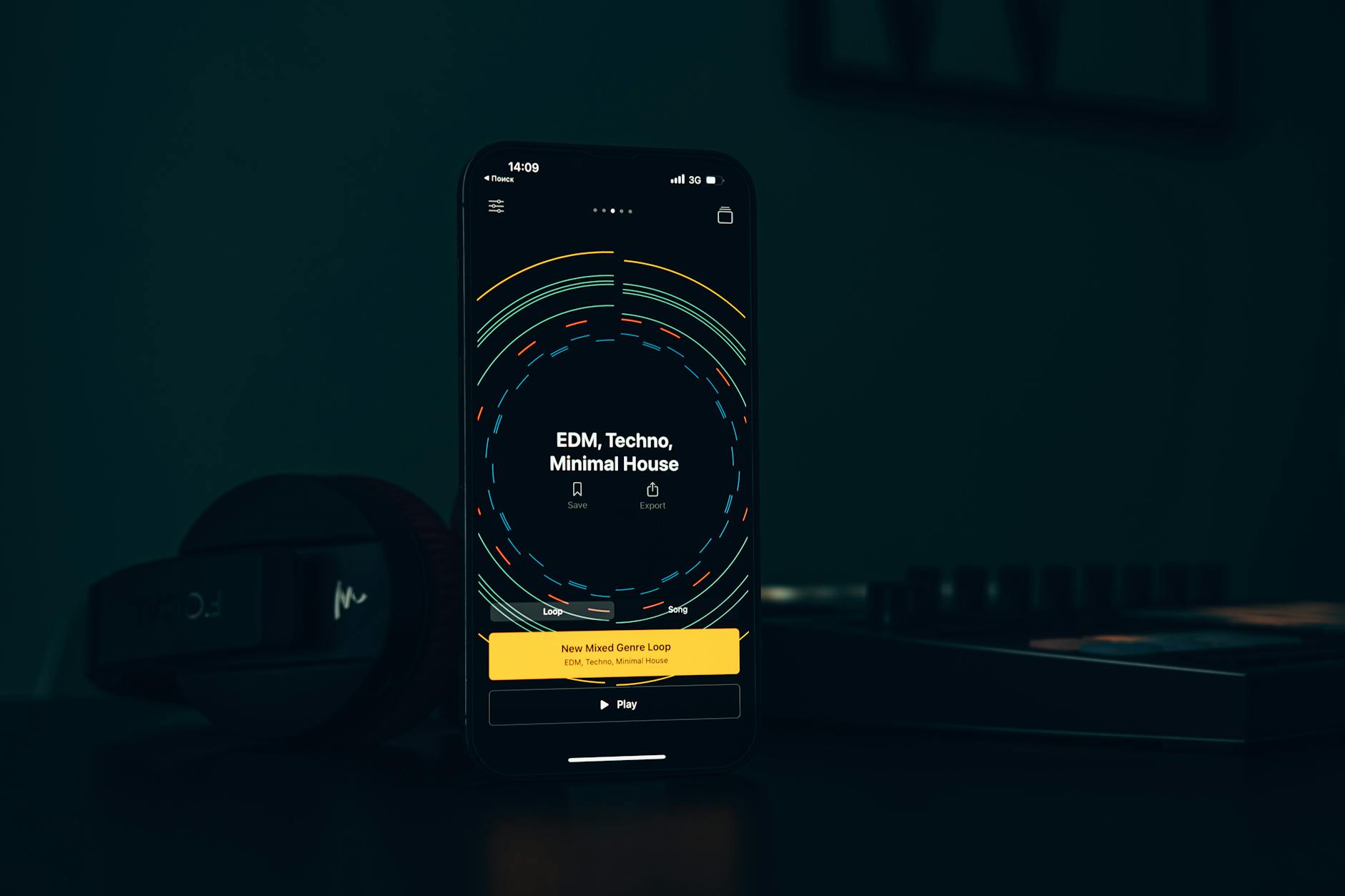
Integration with other digital trends is expanding audio social possibilities. Voice assistants and smart home devices create new entry points for participation, while AI writing assistants help users prepare talking points and moderate discussions more effectively.
The rise of remote work and distributed social connections, accelerated by the pandemic, created perfect conditions for audio-only social platforms to flourish. Gen Z users, many of whom experienced crucial formative years during lockdowns, are comfortable with digital-first social interaction in ways that feel authentic rather than substitute.
As visual social media faces increasing scrutiny over mental health impacts and privacy concerns, audio-only alternatives offer a compelling vision for more sustainable digital connection. The format’s emphasis on real-time interaction and genuine conversation could represent the next evolution of how young people build and maintain relationships online.
The shift toward audio-first social interaction among Gen Z users signals a broader desire for digital spaces that prioritize authentic human connection over performative content creation. As these platforms continue to innovate and mature, they’re likely to reshape expectations for what social media can and should provide.
Frequently Asked Questions
What are audio-only social apps?
Digital platforms where users interact exclusively through voice chat, ambient sound sharing, and collaborative listening without visual elements.
Why do Gen Z users prefer audio social platforms?
They eliminate appearance pressure and visual curation stress while enabling more intimate, authentic conversations and connections.