





The Quiet Challenger Reshaping Language Learning
Duolingo built its empire on gamification – streaks, leaderboards, cartoon owls, and the gentle psychological nudge to keep beginner learners coming back. That formula worked brilliantly for casual users, the kind who want to pick up a few Spanish phrases before a vacation. But a growing segment of language learners has started to find that formula hollow, and a San Francisco-based startup called Speak is moving deliberately into the space they’re vacating.
Speak’s core pitch is deceptively simple: AI-powered conversation practice that puts speaking at the center, not reading or writing exercises dressed up as speaking. Where Duolingo gamifies vocabulary recall, Speak drops users into open-ended spoken dialogues with an AI tutor that responds in real time, corrects pronunciation with granular feedback, and adjusts complexity based on how the conversation actually goes. It’s less a game and more a language gym.
The difference matters most to the users Duolingo quietly struggles to retain.
Who Speak Is Actually Targeting
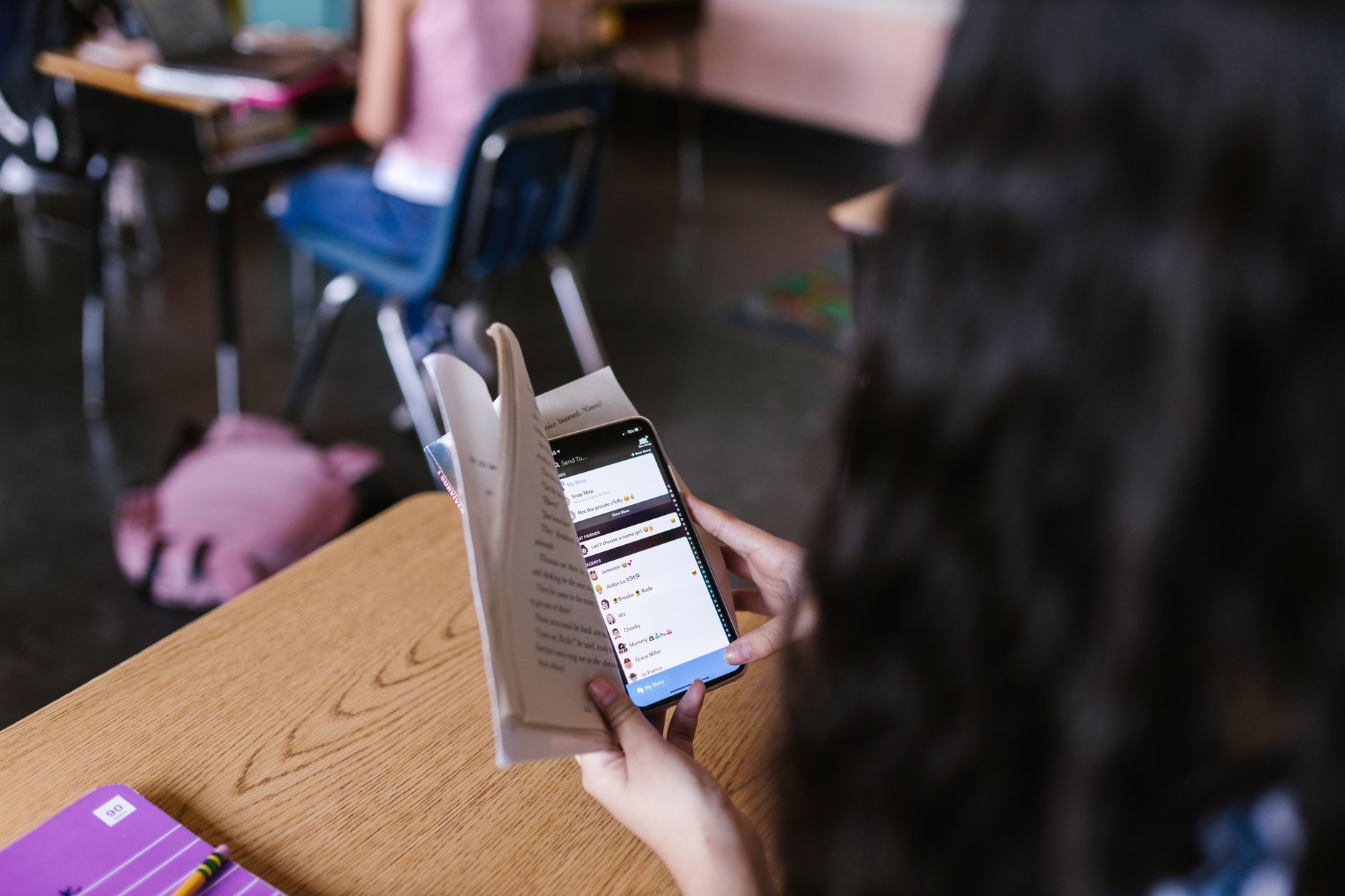
The term “power learner” gets thrown around loosely, but in language education it refers to a specific type of user: someone learning for a defined, high-stakes purpose. A professional preparing for a job relocation to Seoul. A graduate student navigating academic Korean. A second-generation immigrant trying to rebuild fluency in a heritage language. These users don’t need to be tricked into opening an app with a push notification from a cartoon bird. They need depth, and they need it fast.
Speak has made Korean its flagship market – and that choice alone signals strategic intent. Korea has one of the most motivated English-learning populations on the planet, and Speak reportedly captured significant traction there before expanding to Japanese and other languages. That early foothold gave Speak something Duolingo rarely achieves with serious learners: word-of-mouth from people who actually got results. When a user can say they passed a proficiency benchmark or got through a real conversation at work, they tell other serious learners. That referral loop is harder to manufacture but far more durable than engagement metrics built on streaks.
The AI component is not cosmetic. Speak uses large language model technology to generate dynamic conversations rather than pulling from a fixed script library, which means each session can branch differently depending on what the user says. That responsiveness is what separates Speak from earlier AI tutoring attempts, which often felt like elaborate multiple-choice tests with a voice attached. For someone trying to reach conversational fluency rather than just pass a quiz, the distinction is significant.
Where Duolingo’s Model Has Real Cracks
Duolingo is not failing – its revenue and user numbers are by any measure strong, and its brand recognition is almost absurdly high. But its core product design contains a tension it has never fully resolved. The gamification mechanics that drive daily engagement are also, almost by definition, the enemy of difficulty. Hard things feel bad, and apps optimized for dopamine hits tend to drift toward easier tasks. Duolingo’s own data has shown that the vast majority of users who start a course never reach conversational ability. That’s not a secret, and it’s not necessarily Duolingo’s fault – most people don’t finish anything. But it does leave the top of the learning curve wide open.
Speak’s bet is that this gap is large enough and motivated enough to build a real business around. Subscription pricing that targets serious learners allows for higher revenue per user than Duolingo’s freemium base, even at smaller overall user numbers. The economics of serving fewer, more committed users who pay more per month can be surprisingly favorable when customer acquisition cost is driven by word-of-mouth rather than performance advertising. Duolingo spent heavily on brand building precisely because its freemium model requires volume. Speak doesn’t need the same volume to sustain itself.
There’s also a product truth that works in Speak’s favor: speaking a language is terrifying, and most apps avoid that terror rather than address it. The fear of making mistakes in front of another person is one of the most documented barriers in language acquisition research. An AI that won’t judge you, that resets every session, and that never gets impatient sits directly on top of that barrier. Speak isn’t just building a product feature – it’s solving a psychological obstacle that classroom learning and app gamification both sidestep.
The Road Ahead
Speak has raised significant venture backing, including investment from SoftBank, which signals belief in an eventual large-scale expansion well beyond its current language and market lineup. The strategic question is whether Speak can grow without flattening its product the way most scaled consumer apps eventually do – whether the pressure to add users will pull it toward Duolingo’s model rather than away from it. For now, the company’s restraint in keeping the product focused is its clearest competitive advantage, and the moment it trades depth for download numbers is the moment the power learners it worked so hard to win will start looking for the next alternative.