



The Recorder Wars Are Getting Personal
Rewind AI built its product around a simple premise: your computer should remember everything you do, and only you should have access to that memory. The app records your screen, audio, and activity continuously, then makes it all searchable through a local AI model. No cloud upload. No third-party access. Your data stays on your machine. That pitch has found a real audience – particularly among professionals who want the productivity benefits of an AI memory layer without handing their conversations to a remote server.
Now that same pitch is creating friction in a market that Limitless (formerly Rewind’s wearable spin-off, now a separate product direction under the Limitless brand) was counting on: the ambient recording wearable space. Users who once seemed destined for Limitless’s hardware pendant are reconsidering whether they need a physical device at all when Rewind’s software already captures most of what they want to remember.
What Rewind Actually Does That Limitless Doesn’t
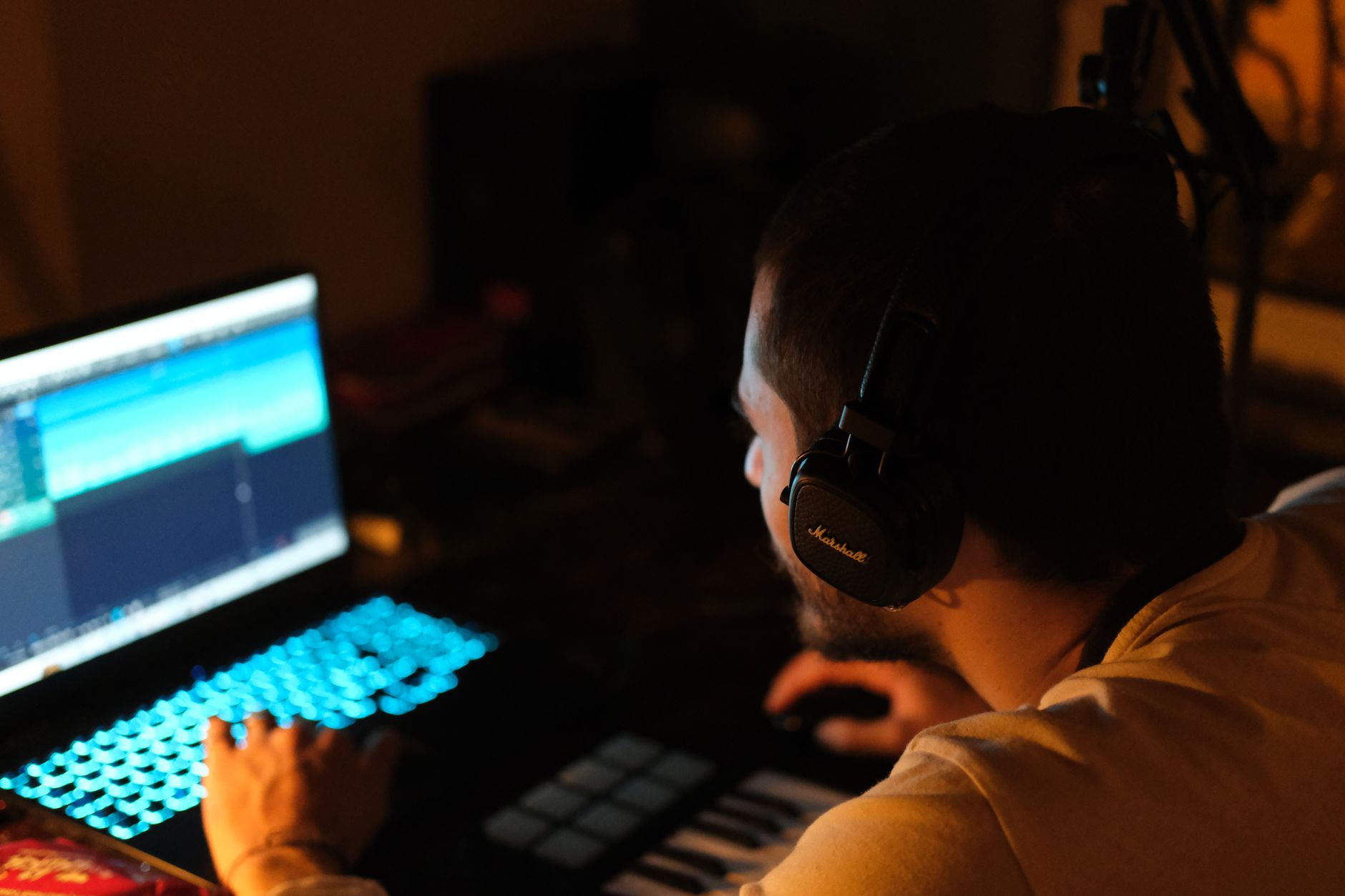
Rewind runs silently in the background on Mac, capturing everything that appears on your screen and everything said through your microphone – meetings, calls, browser sessions, documents. The entire index is stored locally and queried through a natural language interface. Ask it what someone said in a Zoom call three weeks ago, and it finds the moment. The privacy architecture is the product, not just a marketing angle: because nothing leaves the device, it sidesteps the category of concern that most AI assistant tools trigger the moment someone realizes their private conversations are being processed on a company’s servers.
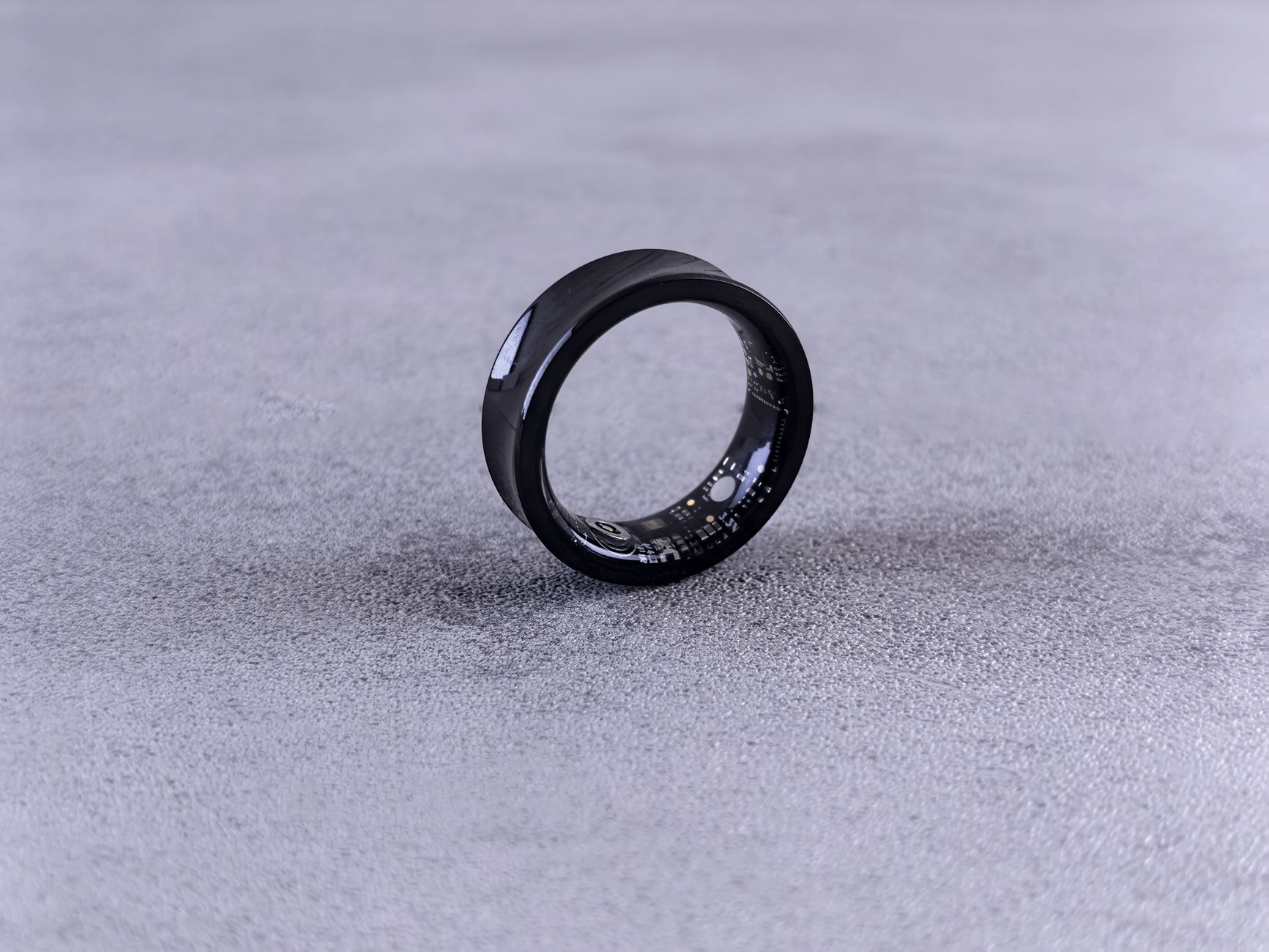
Limitless, by contrast, built toward a wearable pendant worn around the neck that captures in-person conversations and ambient audio throughout the day. The device targets moments that screen-based tools miss – the hallway conversation, the lunch meeting, the brainstorm that happens away from a laptop. It is a genuinely different use case. But the overlap with Rewind’s core user – a knowledge worker who wants a searchable record of their work life – is significant enough that the two products are competing for the same initial adoption decision, even if they solve slightly different problems.
The practical reality is that most of what knowledge workers want to remember happens on their computers. Zoom calls, Google Meet, Teams, Slack huddles, recorded presentations – these are screen and microphone events that Rewind captures without any additional hardware. A user evaluating both tools has to decide whether the 20% of conversations that happen away from a screen justifies the cost and friction of a wearable device. For many early adopters, the answer is turning out to be no.
There is also the social friction question. Wearing an ambient recording device into a meeting or a coffee conversation carries an implicit disclosure problem. Even if a device is visible and users inform others they are being recorded, the act of wearing a recording pendant changes the dynamic of the interaction. Rewind has no such problem: it records your screen activity and audio from your own microphone in contexts – primarily virtual meetings – where recording is already normalized.

Privacy as a Competitive Moat
The privacy-first architecture Rewind chose is not just a feature; it structures the entire competitive position. When a workplace AI tool stores data locally, it removes the enterprise security review process from the adoption path. Individual contributors can install and use Rewind without IT approval, because the tool never touches company data on an external server. That frictionless adoption path matters enormously for a tool trying to build habitual daily use.
Limitless, by necessity of the wearable product, has to process and sync data to enable features like cross-device search and sharing. That sync layer – even with strong encryption – reintroduces the data governance conversation that Rewind avoids entirely. For users at companies with strict data handling policies, that difference alone can close the door on the wearable option before price or features even enter the discussion.
The Market Rewind Is Actually Targeting
Rewind’s growth is coming from a specific professional profile: founders, executives, consultants, and researchers who are in back-to-back virtual meetings and need to recover information from those sessions without relying on note-takers or AI meeting bots that join calls visibly. The meeting bot category – tools like Otter.ai, Fireflies, and similar services – generates some user resistance because the bot appears as a participant in the call, which signals to other attendees that the meeting is being recorded and processed externally. Rewind sidesteps that completely: it records locally, nothing joins the call, and the other participants see nothing unusual.
That invisible capture model is proving to be a serious differentiator in sales and client-facing roles, where people do not want counterparts to know their conversations are being indexed. A consultant on a sensitive client call, a sales rep working a deal, a founder in a fundraising conversation – these are users for whom the discretion of local recording is a functional requirement, not a preference. Rewind serves them directly. Limitless’s pendant, which is physically visible and designed to prompt conversation about what it is, takes the opposite approach.
The wearable ambient AI category is not going away. There is real demand for capturing in-person life, and Limitless is not the only company pursuing it. But the early adopter pool that both products are drawing from – technically sophisticated professionals willing to pay for AI productivity tools – is finite. Rewind’s ability to satisfy a large portion of that group’s needs with a software-only, privacy-native product puts real pressure on the hardware value proposition.
Limitless needs in-person ambient capture to be a compelling enough use case to justify the adoption hurdles its product carries. Right now, Rewind is making the argument – quietly, through user retention rather than marketing – that for most of the workday, you never leave your screen long enough for it to matter.