





A browser is the one piece of software that sits between a person and almost everything they do online. Whoever controls it controls the defaults: which search engine answers a question typed into the address bar, which sign-in is offered first, which AI assistant sits one click away. Chrome has held that position for over a decade, and it is the reason the browser ended up at the center of one of the largest antitrust cases in tech history.
A federal court found that Google illegally maintained a monopoly in search, and the Justice Department pushed for a remedy that would have forced Google to sell Chrome. The court declined to go that far. But the remedies it did impose, along with the pressure of the case itself, are pushing Google to treat Chrome less like a free distribution channel and more like a product that has to keep earning its place.
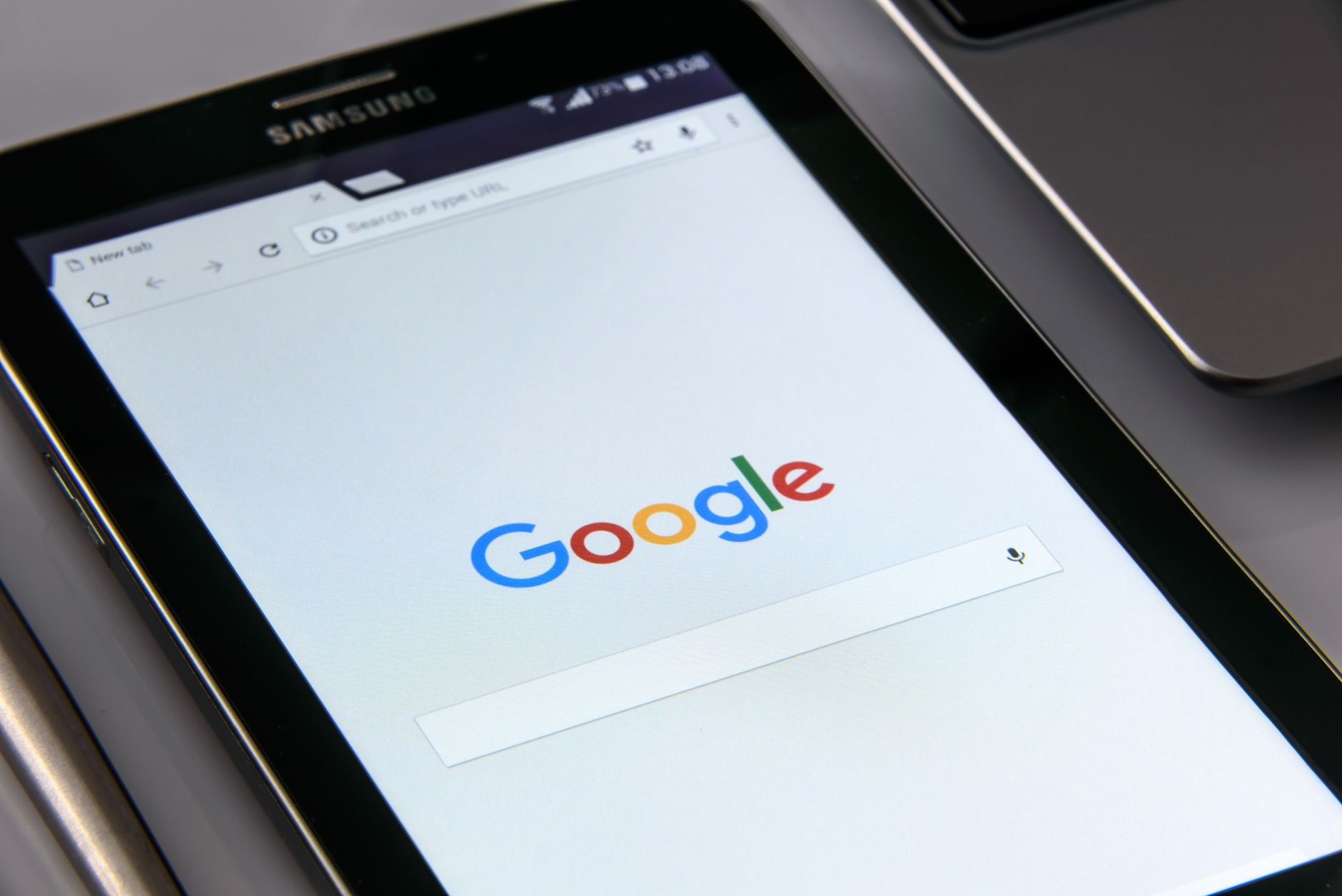
Why Chrome Became Exhibit A
The government’s argument was never that Chrome is a bad browser. It was that Chrome works as a funnel. When search is the default in the address bar, most people never change it, and each of those searches feeds Google’s ad business and its stream of behavioral data. That data improves results, better results attract more users, and rivals never get the volume they would need to catch up. A browser with billions of users is the strongest link in that chain.
That is why the Chrome-divestiture idea carried weight even though it sounded drastic. Selling the browser would have cut the most direct line between Google’s search product and its users. It would also have handed a new owner enormous influence over defaults, which raised its own questions about who should hold that power and what they would do with it.
A Remedy That Spared Chrome but Limited Google
The court’s decision keeps Chrome inside Google, but it does not leave Google’s playbook untouched. The central change targets exclusivity. Google can no longer lock up distribution through contracts that make its search product, its browser or its AI assistant the only option on a device or in a browser. Deals can still exist, but they cannot shut rivals out, and they face limits on how long they can run.
The ruling also pushes Google toward sharing some search-related data with qualified competitors. This matters because scale has been the main barrier for smaller search engines. Even a technically excellent rival struggles when it cannot see how people actually interact with results. Forcing some of that information into the open is meant to lower the barrier, though how useful it proves will depend heavily on the details of implementation.
The court’s reasoning for stopping short of a breakup is worth understanding. The case was argued while generative AI was rapidly changing how people look for information, and a remedy built around the old search market risked solving a problem that was already shifting. Chopping off a browser to fix a market that was itself being reshaped could have produced unpredictable results.
That caution did not make Chrome safe. It made Google’s position conditional.

The AI Browser Race Raises the Stakes
While the legal fight played out, a new category of competitor showed up. Startups and AI labs have been building browsers designed around an assistant rather than a list of links, with tools that summarize pages, answer questions about what is on screen and carry out multi-step tasks on a user’s behalf. Perplexity’s Comet and OpenAI’s Atlas are the best-known examples, and smaller entrants such as The Browser Company’s Dia have pushed the same idea. None has anything close to Chrome’s install base, but they do not need to in order to change expectations about what a browser should do.
Google’s answer has been to fold Gemini directly into Chrome, so the assistant can read the page in front of a user, compare tabs and handle chores that once meant a lot of clicking. The strategy makes sense, and the antitrust ruling adds a wrinkle: because exclusive arrangements are restricted, Google cannot count on contracts to keep its own assistant ahead of rivals. Gemini in Chrome has to be good enough that people choose it, and that also invites the privacy questions Google has already faced when it connected AI to personal data, as in the debate over its Gmail integration among enterprise users.
What Google Has to Rebuild
The hardest problem is internal. Chrome has always been an unusually good fit for Google’s ad model because it is free, fast and quietly steers searches toward Google. An AI-first browser works differently. If the assistant answers a question directly, nobody scrolls through a page of results, and the ad slots that pay for so much of Google’s business have less room to appear. Google is trying to build the product that could cannibalize its most profitable one, while regulators watch to see whether it uses Chrome to tilt the field.
Trust is the second job. A browser that can read pages, remember context and act for the user needs far more access than a browser that simply displays websites. That raises uncomfortable questions about what is stored, what is used to train models and what is used to target ads. Rivals can market themselves on privacy and neutrality, and Google, with a court-imposed compliance regime and a history of data disputes, will have a harder time making that same promise sound believable.

Chrome is also a developer platform, with extensions, web standards and engine decisions that shape how the web itself gets built. Whatever Google does to adapt the browser for an AI era will ripple through publishers, advertisers and every site that depends on traffic from a search click. If Chrome starts answering the question before anyone visits a link, who is the search business actually selling to?