





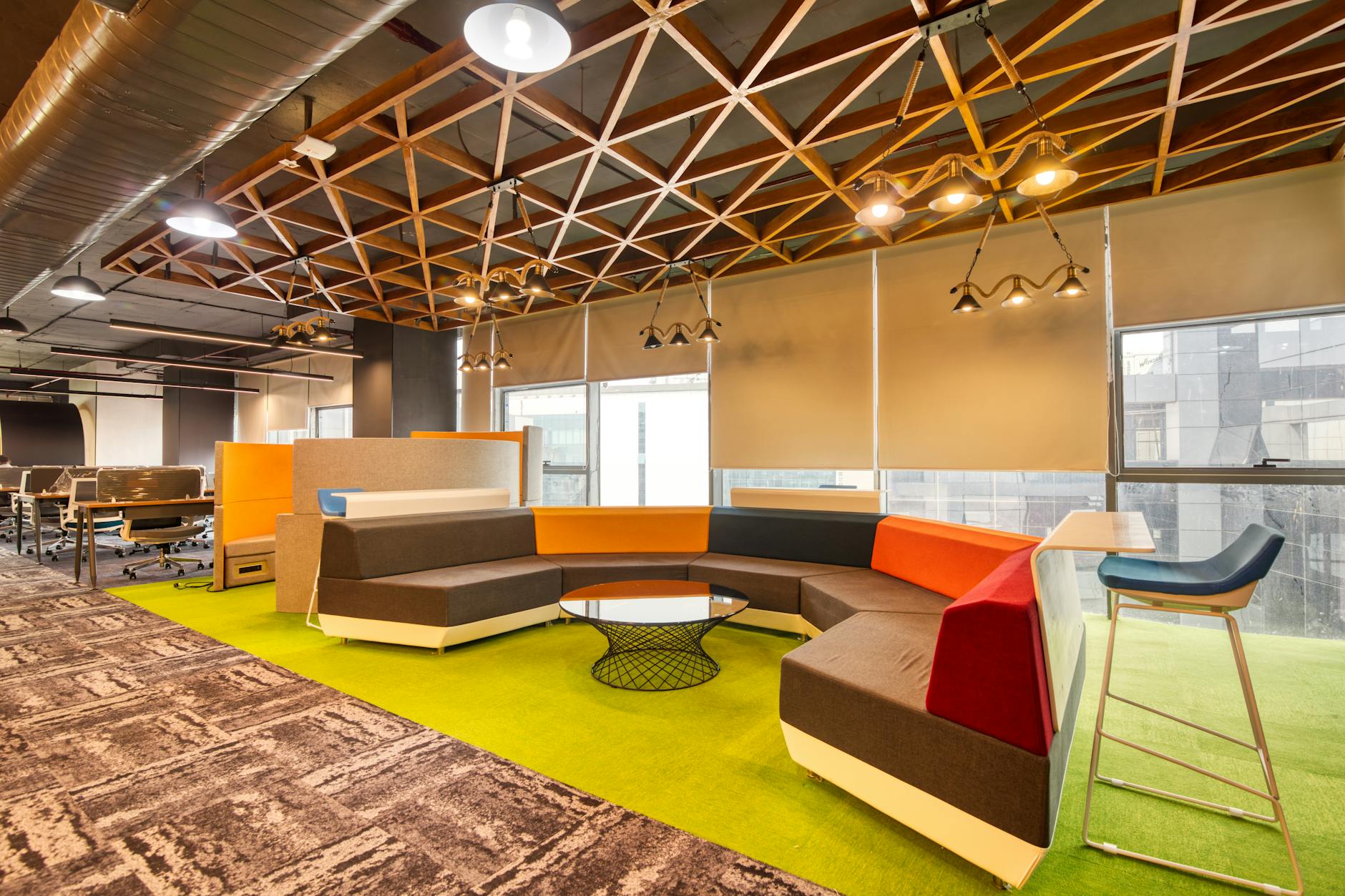
The open office revolution that swept through Silicon Valley over the past decade is quietly reversing course. Major tech companies are dismantling the collaborative workspaces they once championed, trading glass walls and communal tables for private offices and enclosed meeting rooms.
What began as a cost-cutting measure disguised as innovation has collided with post-pandemic realities about productivity, mental health, and employee satisfaction. Companies that built their headquarters around open floor plans are now spending millions to retrofit their spaces with walls, doors, and sound barriers.
The shift represents more than just changing furniture arrangements. It signals a fundamental rethinking of how knowledge work happens and what employees need to perform at their best.
The Productivity Problem Becomes Impossible to Ignore
Recent internal studies at several major tech firms reveal what workers have long suspected: open offices kill productivity. Engineers at companies like Microsoft and Salesforce report significantly lower code output when working in open environments compared to enclosed spaces.
The data is stark. Software developers in open offices are interrupted every 11 minutes on average, compared to every 23 minutes in private offices. Each interruption requires roughly 23 minutes to fully refocus on complex tasks, creating a cascade of lost productivity that companies can no longer justify.
“We thought we were fostering collaboration, but we were actually destroying deep work,” says a facilities director at a major cloud computing company who requested anonymity. “Our best engineers were showing up early and staying late just to get uninterrupted time.”
The problem extends beyond individual productivity. Teams report that spontaneous conversations – supposedly the main benefit of open offices – rarely lead to meaningful collaboration. Instead, most substantive discussions happen in scheduled meetings or through digital channels, regardless of seating arrangements.
Mental Health Crisis Drives Design Changes
The mental health impact of open offices has become impossible to ignore, particularly as companies focus more intensively on employee wellbeing. Studies commissioned by tech giants show elevated stress hormones, increased anxiety, and higher rates of sick leave among workers in open environments.
Introverted employees, who make up a significant portion of technical roles, report feeling constantly drained by the lack of quiet spaces. The always-on visibility creates pressure to appear busy and engaged, leading to performance anxiety and burnout.
“We were asking people to do their most complex thinking in the equivalent of a busy restaurant,” explains a workplace consultant who has worked with multiple Fortune 500 tech companies. “The cognitive load was unsustainable.”
Companies are responding with hybrid approaches that preserve some collaborative spaces while providing refuge areas. Google’s newest offices feature “focus pods” and “quiet zones” alongside traditional meeting areas. Apple has invested heavily in soundproofing and visual barriers in its existing open spaces.
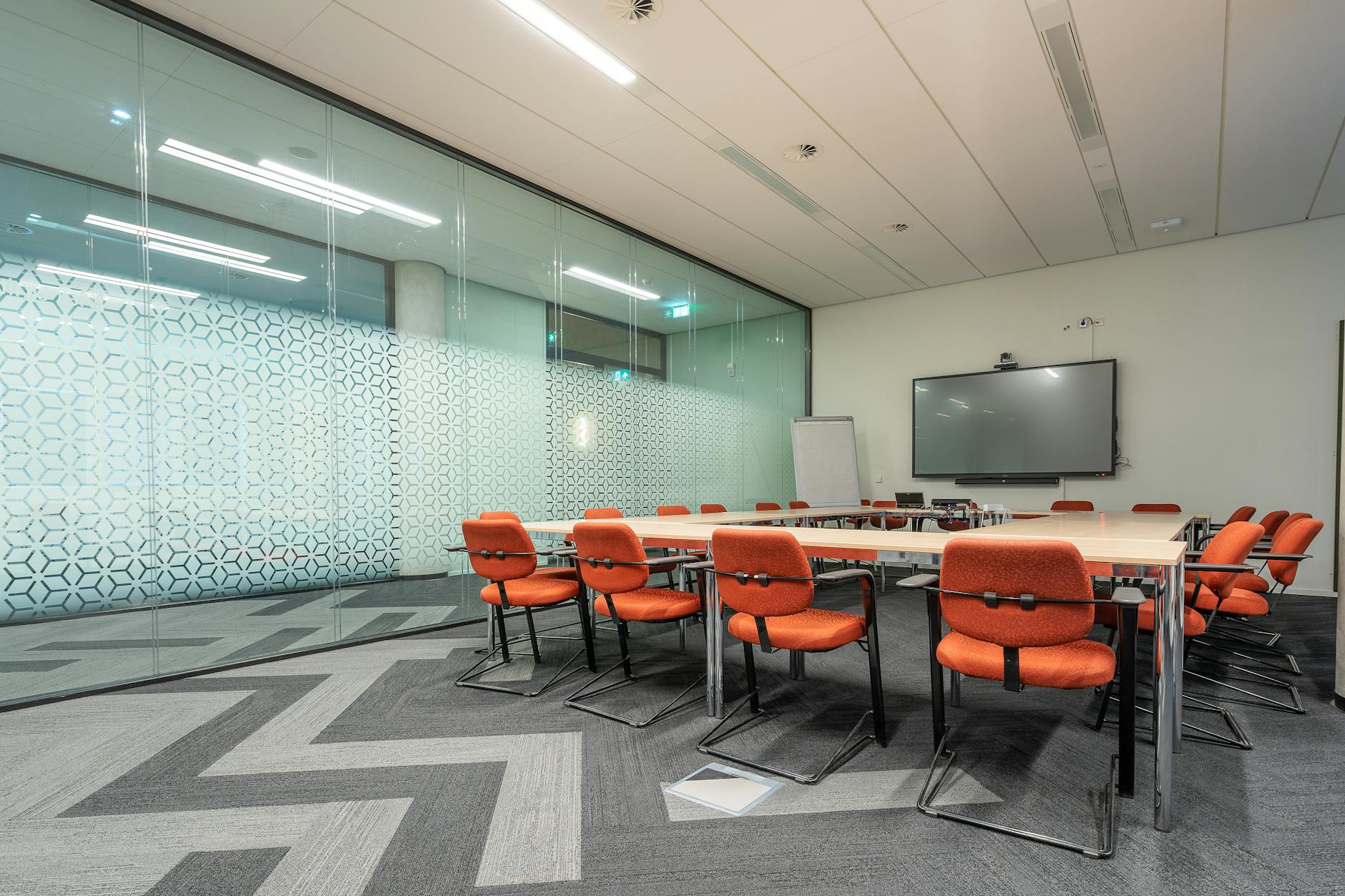
The shift coincides with growing recognition that different types of work require different environments. Creative brainstorming might benefit from open, energetic spaces, while coding, writing, or data analysis demands quiet concentration.
Remote Work Changes the Equation
The pandemic fundamentally altered the open office debate by proving that distributed teams can collaborate effectively without physical proximity. Companies that insisted open offices were essential for innovation watched their remote teams maintain or exceed productivity levels.
This revelation undermined the primary justification for open offices. If teams can collaborate successfully across continents, why sacrifice individual productivity for in-person proximity that may not actually improve outcomes?
Many companies are now designing offices primarily for the work that genuinely benefits from in-person collaboration: workshops, client meetings, and intensive team sessions. The everyday heads-down work increasingly happens in private spaces or at home.
The economics have shifted too. With hybrid schedules reducing daily office occupancy, companies no longer need to maximize density. The cost savings from cramming more workers into open spaces become less compelling when fewer people are in the office on any given day.
Some tech companies are experimenting with completely different models. LinkedIn’s approach to content strategy reflects this broader trend toward more thoughtful, individualized approaches to work environments.
The New Office Design Playbook
Forward-thinking companies are adopting what workplace designers call “activity-based working” – spaces designed around specific types of tasks rather than generic collaboration. This means different areas optimized for focused work, creative collaboration, video calls, and informal conversations.
Tech companies are investing in acoustic engineering with the same intensity they once applied to open floor plans. Advanced sound masking systems, strategic placement of water features, and carefully designed traffic patterns help create pockets of quiet within larger spaces.
The new designs also acknowledge that personalization matters in work environments just as it does in technology products. Workers get more control over their immediate environment through adjustable lighting, temperature controls, and configurable furniture.
Some companies are taking radical approaches. A major software company recently converted entire floors of open office space into individual offices and small team rooms. The initial investment was substantial, but early metrics show dramatic improvements in both productivity and employee satisfaction.

The transformation isn’t just about physical spaces. Companies are rethinking policies around when and how collaboration happens, with more structured approaches to meetings and clearer boundaries around interruption-free time.
As tech companies continue to compete for top talent in a tight labor market, office design has become a significant differentiator. Workers increasingly view private workspace as a basic requirement rather than a luxury perk.
The open office experiment taught valuable lessons about the complexity of human productivity and the danger of one-size-fits-all solutions. The companies adapting fastest to this new understanding are likely to attract and retain the best talent as the future of work continues to evolve.
Frequently Asked Questions
Why are tech companies moving away from open offices?
Studies show open offices reduce productivity by 40% and increase stress levels, prompting companies to invest in private workspaces.
What are companies replacing open offices with?
Hybrid designs featuring private offices, focus pods, and activity-based spaces designed for specific types of work.