



The Apple Watch transformed wearable technology from a curiosity into a necessity, but a growing number of former Apple engineers believe the real health revolution is just beginning. These veterans of Cupertino’s iconic health teams are now launching startups focused on continuous monitoring devices that could detect everything from early-stage infections to metabolic disorders before symptoms appear.
The exodus began accelerating in 2022, as Apple’s health division matured and engineers sought opportunities to build more specialized, medical-grade devices. Unlike consumer fitness trackers that measure steps and heart rate, these new ventures are developing clinical-grade wearables capable of monitoring biomarkers traditionally measured only in doctor’s offices or laboratories.

From Consumer Gadgets to Medical Devices
The shift from Apple’s consumer-focused approach to medical-grade monitoring represents a fundamental change in how wearable technology approaches health. Former Apple Watch engineering manager Sarah Chen, who spent six years developing the device’s health sensors, left in 2023 to launch a startup focused on continuous glucose monitoring for non-diabetics.
“At Apple, we were constrained by consumer expectations and regulatory comfort zones,” Chen explains. “We made incredible progress, but there’s so much more we can do when we focus specifically on medical applications rather than mass market appeal.”
Her company joins a growing cohort of Apple alumni pursuing similar paths. Former Apple health software engineer Marcus Rodriguez launched a venture developing wearable devices that monitor inflammatory markers through sweat analysis. Meanwhile, ex-Apple hardware engineer Lisa Park is building continuous blood pressure monitors that don’t require cuff inflation.
These entrepreneurs bring deep expertise in miniaturization, sensor integration, and user experience design – skills honed during their years developing some of the world’s most sophisticated consumer electronics. But they’re now applying that knowledge to solve problems that require medical device approval and clinical validation.
The timing reflects broader industry trends. Venture capital funding for digital health startups reached record levels in recent years, with wearable medical devices attracting particular attention from investors seeking the next breakthrough in preventive healthcare.
Beyond Heart Rate and Step Counting
The new generation of health wearables moves far beyond the fitness tracking that dominated the first wave of consumer devices. These startups are developing sensors capable of detecting molecular-level changes that could indicate disease onset weeks or months before traditional diagnosis.
One former Apple team is working on wearable devices that can detect circulating tumor cells in blood, potentially enabling cancer screening through continuous monitoring. Another group focuses on monitoring stress hormones like cortisol throughout the day, providing insights into chronic stress patterns that contribute to numerous health conditions.
The technical challenges are immense. Unlike measuring heart rate or counting steps, these applications require sensors sensitive enough to detect minute chemical changes while remaining comfortable for continuous wear. The devices must also process complex biological data in real-time and translate findings into actionable health insights.
“We’re essentially building laboratory equipment that fits on your wrist,” explains Dr. Michael Thompson, former Apple health research director who now leads a startup developing wearable kidney function monitors. “The engineering challenges make the Apple Watch look simple by comparison.”
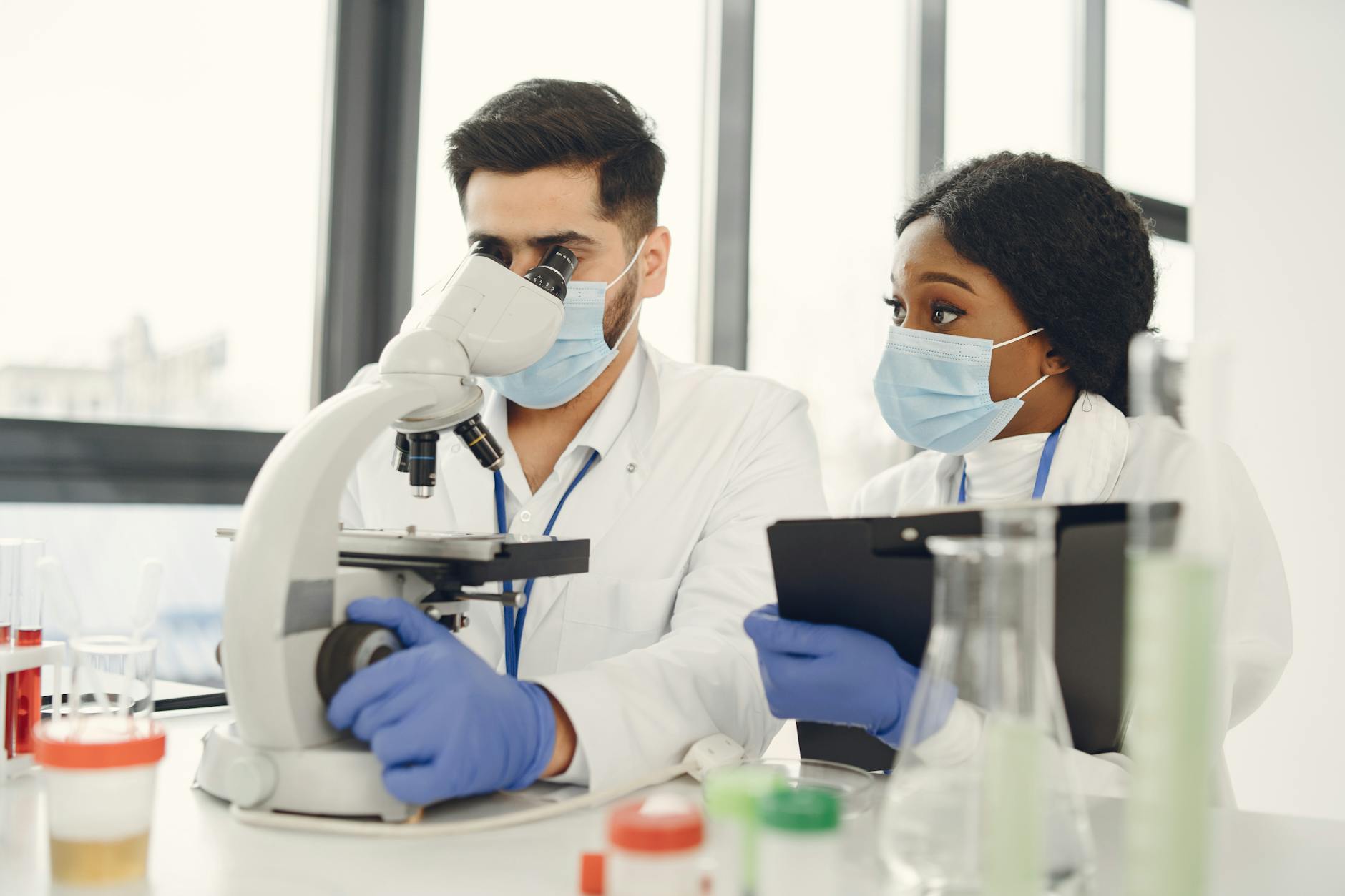
These ventures also face regulatory hurdles that consumer electronics companies can avoid. Medical devices require extensive clinical trials and Food and Drug Administration approval before reaching market. This process can take years and cost millions of dollars, but it’s necessary to ensure accuracy and safety for medical decision-making.
The regulatory pathway creates both challenges and opportunities. While the approval process slows time-to-market, it also creates barriers to entry that can protect successful products from quick competitors. Several former Apple engineers report that their experience with Apple’s rigorous testing and quality standards prepared them well for medical device requirements.
Learning from Other Tech Exodus
The Apple health engineering exodus mirrors similar patterns across the technology industry. Former Netflix engineers have launched specialized streaming platforms, while ex-Uber executives are building AI-powered logistics companies.
This pattern reflects the maturation of major tech platforms and the entrepreneurial drive of engineers who helped build them. After mastering the challenges of scale and consumer adoption at large companies, these veterans often seek opportunities to apply their skills to more specialized or impactful problems.
The health wearables sector offers particularly compelling opportunities because the technology finally matches the ambition. Advances in sensor miniaturization, battery life, wireless connectivity, and machine learning have made previously impossible health monitoring applications technically feasible.
Challenges and Market Realities
Despite their impressive pedigrees and technical expertise, these Apple alumni face significant challenges in bringing medical-grade wearables to market. The regulatory approval process can take three to five years, requiring extensive clinical studies to prove both safety and efficacy.
Manufacturing presents another hurdle. While Apple’s supply chain expertise helps, medical devices often require specialized components and quality standards that differ significantly from consumer electronics. Many startups struggle with the transition from prototype to scaled production.
Market adoption also differs dramatically from consumer electronics. Healthcare providers and insurance companies make purchasing decisions based on clinical evidence and cost-effectiveness, not sleek design or marketing buzz. Building relationships with medical professionals and demonstrating real-world health outcomes becomes crucial for success.
Funding remains robust but increasingly selective. While venture capital firms show strong interest in health tech, they’re demanding more rigorous clinical validation and clearer paths to regulatory approval before investing. The days of funding health startups based purely on exciting technology demonstrations are largely over.

Competition comes from unexpected directions. While other startups pose obvious threats, established medical device companies are also investing heavily in wearable technology. These incumbents bring regulatory expertise and healthcare relationships but often lack the consumer design skills and rapid iteration capabilities that define Apple alumni ventures.
The Future of Continuous Health Monitoring
The convergence of Apple-trained engineers with advanced sensor technology and growing healthcare demand suggests a promising future for medical-grade wearables. Early clinical results from several startups show encouraging signs that continuous monitoring could indeed detect health problems earlier than traditional methods.
Success will likely require combining Apple’s design philosophy with medical device rigor. The most promising ventures focus on specific medical conditions where continuous monitoring offers clear advantages over periodic testing. Rather than trying to measure everything, they’re building specialized devices that excel at particular health metrics.
Healthcare integration remains the ultimate test. These devices must fit seamlessly into existing medical workflows and provide information that actually improves patient outcomes. The startups that succeed will likely be those that work closely with healthcare providers from the beginning, ensuring their technology solves real problems rather than creating elegant solutions in search of applications.
The Apple health engineering exodus represents more than just career transitions – it signals the beginning of a new era in preventive healthcare. As these veterans apply their world-class engineering skills to medical applications, they’re building the foundation for a future where continuous health monitoring becomes as common as checking your smartphone.
Frequently Asked Questions
Why are Apple engineers leaving to start health companies?
They want to build specialized medical-grade devices beyond consumer fitness trackers, applying their expertise to detect diseases earlier through continuous monitoring.
How do these medical wearables differ from Apple Watch?
They focus on clinical-grade monitoring of biomarkers like glucose, inflammatory markers, and stress hormones rather than general fitness tracking.