





DoorDash drivers now carry milk alongside your McDonald’s order. Uber Eats couriers deliver bananas with your burrito. What started as restaurant delivery has quietly transformed into America’s new grocery shopping habit, with food delivery platforms racing to partner with major retailers as restaurant margins compress and competition intensifies.
The shift represents a fundamental pivot for an industry that built its reputation on hot meals from local restaurants. Now these platforms are betting their future on becoming the everything-delivery service, with grocery partnerships offering higher-margin opportunities and more frequent customer touchpoints than traditional restaurant orders.
The Economics Behind the Grocery Pivot
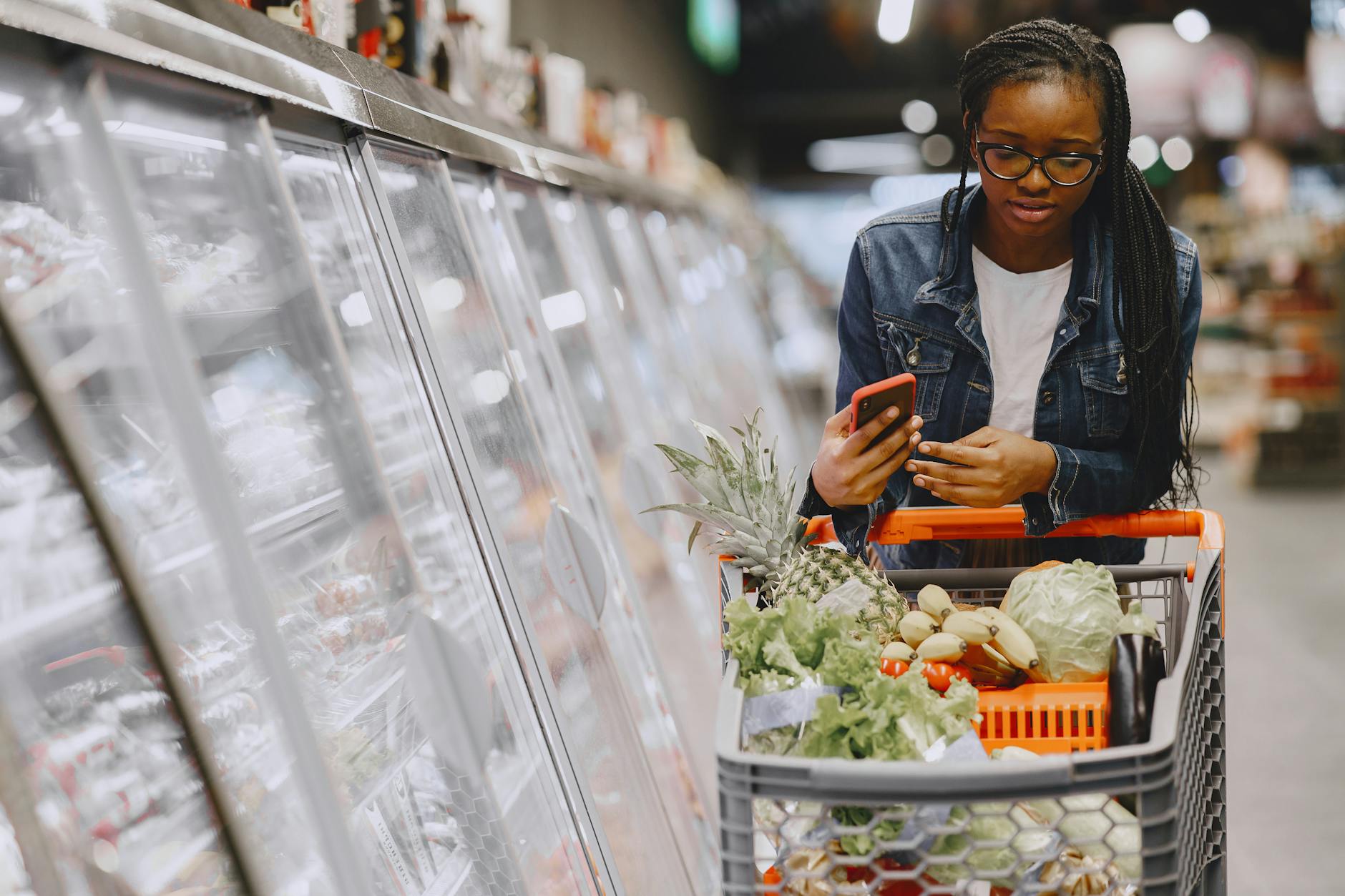
Restaurant delivery operates on razor-thin margins. DoorDash typically takes 15-30% commission from restaurants, but faces intense competition and high customer acquisition costs. Grocery delivery presents a different equation entirely. Partnerships with chains like Walmart, Target, and Kroger offer delivery platforms access to thousands of products with better unit economics.
“Restaurant delivery is a low-margin, high-frequency business,” explains one industry analyst who tracks delivery platform performance. “Grocery partnerships allow these companies to increase basket sizes and delivery frequency without the operational headaches of managing restaurant relationships.”
The numbers support this strategy. Average grocery orders range from $35-$75, compared to $22-$35 for restaurant delivery. More importantly, grocery customers order more frequently – often 2-3 times per week versus once weekly for restaurant delivery. This creates a more predictable revenue stream and better lifetime customer value.
Instacart pioneered this model, building relationships with grocery chains from the ground up. Now DoorDash, Uber Eats, and Grubhub are following suit, leveraging their existing driver networks and customer bases to compete directly with the grocery-focused platform.
Major Partnership Announcements Reshape the Landscape
The past two years have seen a flurry of high-profile partnerships that signal how serious delivery platforms have become about grocery. DoorDash expanded its relationship with Walmart to include same-day grocery delivery in over 24 states. Uber Eats partnered with Cornershop to enhance its grocery capabilities across Latin America and select U.S. markets.
These aren’t simple vendor relationships. Platforms are integrating deeply with grocery chain inventory systems, offering real-time stock updates and specialized logistics for temperature-sensitive items. Some partnerships include dedicated pickup areas in stores and priority fulfillment for delivery orders.
Target’s partnership with Shipt, now owned by Target itself, demonstrates how seriously retailers take the delivery channel. The integration allows customers to shop Target’s full grocery selection through the Shipt app, with delivery typically within two hours. Similar deep integrations are becoming the standard rather than exception.
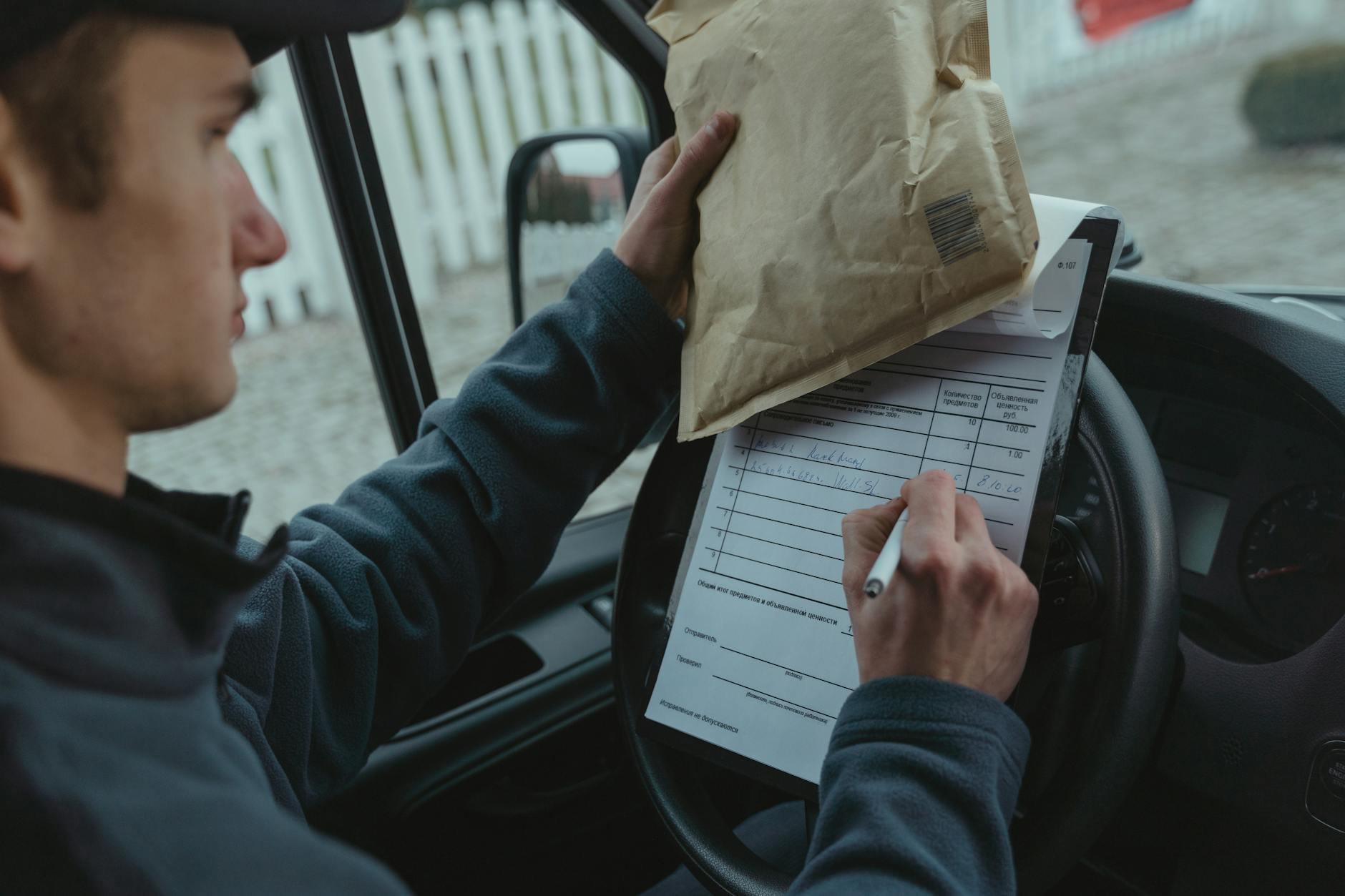
Regional grocery chains are also joining the trend. Wegmans, H-E-B, and Publix have all expanded their delivery partnerships beyond single platforms, often working with multiple services to maximize market reach. This multi-platform strategy helps grocery retailers hedge their bets while delivery companies compete on service quality rather than exclusivity.
Technology Integration Challenges and Solutions
Behind every grocery delivery order lies complex technology integration. Unlike restaurants with limited menus, grocery stores carry 30,000-50,000 unique products. Delivery platforms must synchronize inventory in real-time, manage substitutions intelligently, and coordinate temperature-controlled logistics for frozen and refrigerated items.
The technical challenges mirror those faced by edge computing companies moving data centers underground – both require robust infrastructure to handle complex, real-time operations at scale.
DoorDash developed its “DashMart” concept partly to address these challenges. These micro-fulfillment centers stock popular grocery items and household essentials, allowing for faster delivery times and better inventory control. The model reduces complexity while maintaining the convenience customers expect from grocery delivery.
Machine learning plays an increasingly important role in grocery partnerships. Platforms use predictive algorithms to anticipate demand, optimize delivery routes for multiple temperature zones, and suggest substitutions when items are unavailable. These systems continuously learn from customer preferences and store inventory patterns.
Quality control presents another technical hurdle. Restaurant food arrives as prepared, but grocery shoppers must trust someone else to select their produce, check expiration dates, and handle fragile items. Delivery platforms have invested heavily in shopper training programs and quality assurance systems to maintain customer satisfaction.
Market Expansion and Consumer Behavior Shifts
The grocery delivery market expanded dramatically during the pandemic, but growth has continued as consumers embrace the convenience. Urban professionals increasingly view grocery delivery as a time-saving necessity rather than luxury service. This behavioral shift provides delivery platforms with a sustainable growth opportunity beyond restaurant orders.
Rural and suburban markets present particular opportunities for grocery partnerships. While restaurant delivery options may be limited in smaller communities, partnerships with regional grocery chains allow platforms to serve customers who previously had no delivery options. Walmart’s extensive rural footprint makes it an especially valuable partner for reaching these underserved markets.

International expansion also drives grocery partnerships. Uber Eats uses grocery delivery to establish footholds in new markets where restaurant density might be insufficient to support the platform. Local grocery partnerships provide immediate inventory and customer value while the restaurant network develops.
Consumer data reveals interesting patterns in grocery delivery adoption. Families with children order more frequently and have larger basket sizes. Urban millennials tend to use grocery delivery for staples while still shopping in-person for fresh produce. These insights help platforms optimize their service offerings and marketing strategies.
The competitive landscape continues evolving as traditional grocers develop their own delivery capabilities. Amazon Fresh and Whole Foods delivery represent significant competition, while retailers like Target and Walmart invest heavily in their own last-mile delivery networks. This creates pressure for delivery platforms to differentiate through service quality and technological innovation.
The Future of Delivery Platform Evolution
Grocery partnerships represent just the beginning of delivery platform evolution. Companies are exploring pharmacy partnerships, electronics delivery, and even automotive parts delivery. The goal is becoming the default logistics layer for local commerce, handling everything from dinner to dog food to phone chargers.
Success in this expanded market requires different capabilities than restaurant delivery. Platforms must master inventory management, develop relationships with diverse suppliers, and create logistics networks capable of handling vastly different product categories. The companies that execute this transition successfully will dominate local commerce for the next decade.
The grocery pivot also positions delivery platforms as essential infrastructure for retailers rather than optional marketing channels. This deeper integration creates stronger competitive moats and more predictable revenue streams. As companies across industries target changing consumer behaviors, delivery platforms that successfully expand beyond restaurants will capture the largest share of the growing convenience economy.
Frequently Asked Questions
Why are food delivery apps partnering with grocery stores?
Grocery partnerships offer better profit margins, larger order values, and more frequent customer orders compared to traditional restaurant delivery.
Which delivery apps offer grocery delivery now?
DoorDash, Uber Eats, Grubhub, and Instacart all offer grocery delivery through partnerships with major chains like Walmart, Target, and Kroger.