





A quiet revolution is reshaping Twitch’s streaming landscape. Content creators who built their careers on live, unfiltered interaction with audiences are increasingly turning to pre-recorded videos, abandoning the spontaneous energy that made the platform famous. This shift represents a fundamental change in how streamers approach content creation, moving away from the raw authenticity that defined Twitch’s early culture.
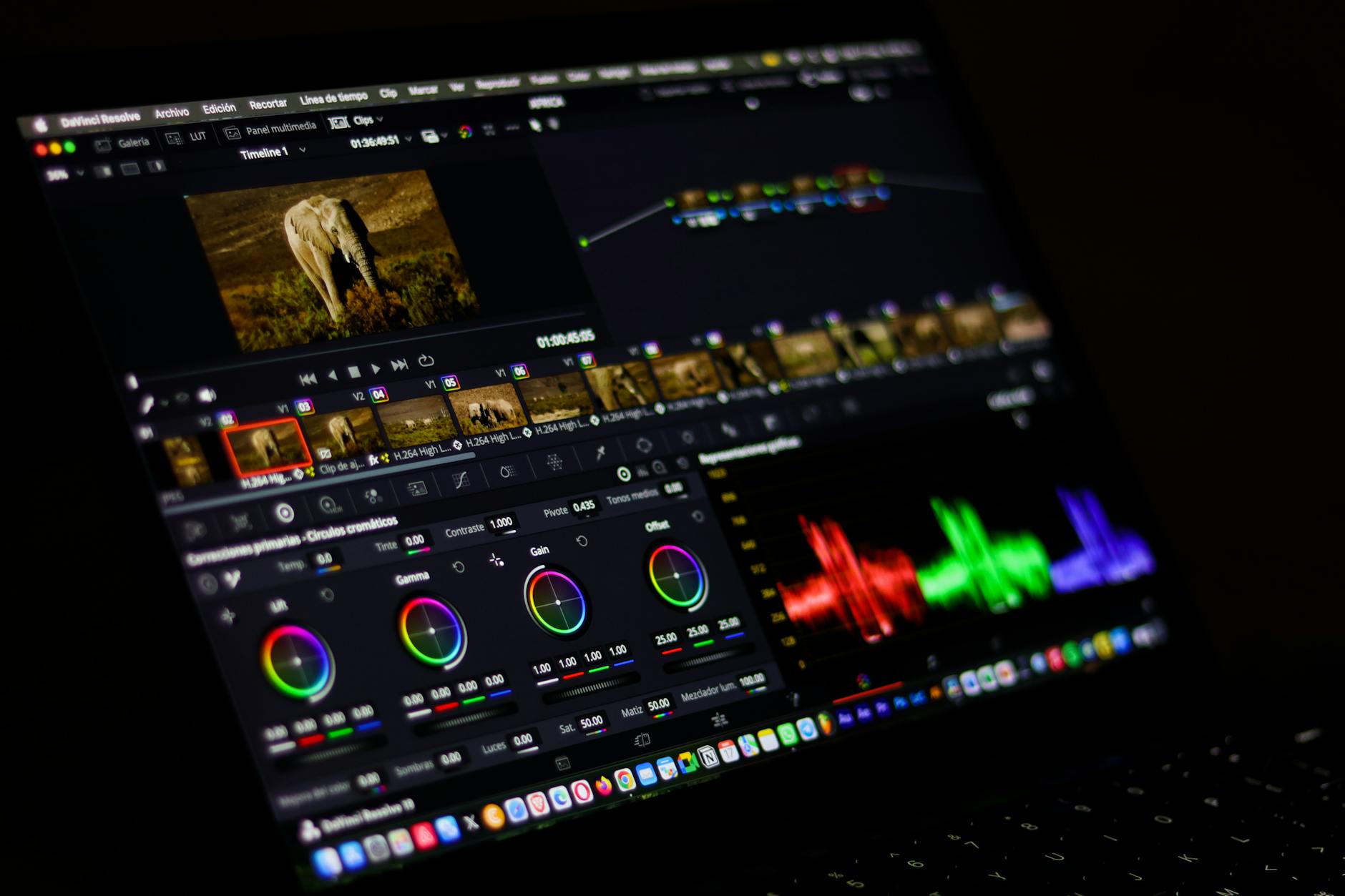
The trend mirrors broader changes across digital platforms where polished, edited content often performs better than live broadcasts. Streamers now spend hours crafting videos in advance, complete with professional editing, scripted segments, and carefully curated gameplay moments. What once felt like hanging out with friends in a digital living room now resembles traditional television production.

The Economics of Pre-Recording
Pre-recorded content offers streamers more predictable revenue streams than live broadcasting ever could. When creators go live, they’re at the mercy of real-time audience engagement – a bad game session or technical difficulties can kill viewership instantly. Pre-recorded videos allow multiple takes, better pacing, and the ability to showcase only the most entertaining moments.
The monetization advantages are substantial. Pre-recorded content can be repurposed across multiple platforms simultaneously – the same video works on Twitch, YouTube, TikTok, and Instagram Reels with minor adjustments. Live streams, by contrast, exist only in the moment and generate revenue through donations, subscriptions, and live ad placements during a specific time window.
Many streamers discovered they could maintain or even grow their audiences while working fewer actual hours. Instead of committing to daily 6-8 hour live streams, creators can produce several pre-recorded videos per week during more manageable schedules. The content feels more professional, the creator burnout decreases, and audience retention often improves due to tighter pacing and better production values.
Community Response and Platform Resistance
Long-time Twitch viewers have mixed reactions to this content evolution. Some appreciate the higher production quality and more focused entertainment value. Others miss the unpredictable, authentic interactions that made live streaming feel personal and immediate.
Twitch itself has been slow to embrace this shift, continuing to prioritize live content in its recommendation algorithms and monetization structures. The platform’s entire identity was built around real-time interaction, and pre-recorded content challenges that core value proposition.
The Streaming Identity Crisis
This content evolution raises questions about what Twitch actually is. The platform emerged as an alternative to traditional media precisely because it offered unfiltered, real-time connection between creators and audiences. When streamers start producing polished, pre-recorded content, Twitch begins to resemble YouTube more than its original vision.
The change affects different types of content differently. Gaming streamers can easily pre-record highlight reels and tutorial content, while “Just Chatting” streamers struggle more to maintain authenticity without live interaction. Some creators are finding hybrid approaches – pre-recording gameplay segments but keeping commentary and audience interaction live.
The shift also reflects the maturation of internet content creation as a profession. Early Twitch streamers were often hobbyists or part-time creators. Today’s successful streamers treat their channels as businesses, and businesses require predictable content pipelines and sustainable work schedules. Pre-recorded content offers both.

Viewer behavior is adapting alongside creator strategies. Audiences increasingly consume Twitch content as on-demand entertainment rather than appointment viewing. The platform’s mobile app and video-on-demand features see growing usage compared to live viewership, suggesting viewers themselves prefer the convenience of pre-recorded content they can watch on their own schedules.
The traditional boundary between Twitch and YouTube continues to blur as creators optimize for discoverability and revenue across multiple platforms rather than committing to live streaming’s unique but limiting format.