





Electric SUVs are reshaping the family car market, and two vehicles stand at the forefront of this transformation: Tesla’s Model Y and Rivian’s R1S. Both promise to deliver the tech-forward features modern families crave, but their approaches couldn’t be more different. Tesla banks on its proven software ecosystem and charging infrastructure, while Rivian positions itself as the adventure-ready alternative with premium materials and off-road capability.
The choice between these two electric SUVs reveals deeper questions about what families actually need from their primary vehicle. Do you prioritize Tesla’s streamlined tech experience and established supercharging network, or does Rivian’s rugged versatility and premium interior justify the higher price point? Both companies target households willing to pay premium prices for cutting-edge features, but their execution strategies diverge significantly.
Tech Integration and User Experience
Tesla’s Model Y delivers the company’s signature minimalist approach to automotive technology. The entire vehicle experience centers around a single 15-inch touchscreen that controls everything from climate settings to glove compartment access. Tesla’s software receives over-the-air updates that genuinely add new features – recent updates have included games, streaming services, and performance improvements that arrive while the car sits in your driveway.
The Model Y’s autopilot system remains one of the most advanced driver assistance packages available to consumers. Full Self-Driving capability, while still in beta, provides features like automatic lane changes, traffic light recognition, and city street navigation. Tesla’s neural network approach to autonomous driving relies on cameras rather than expensive lidar sensors, keeping costs lower while gathering massive amounts of real-world driving data.
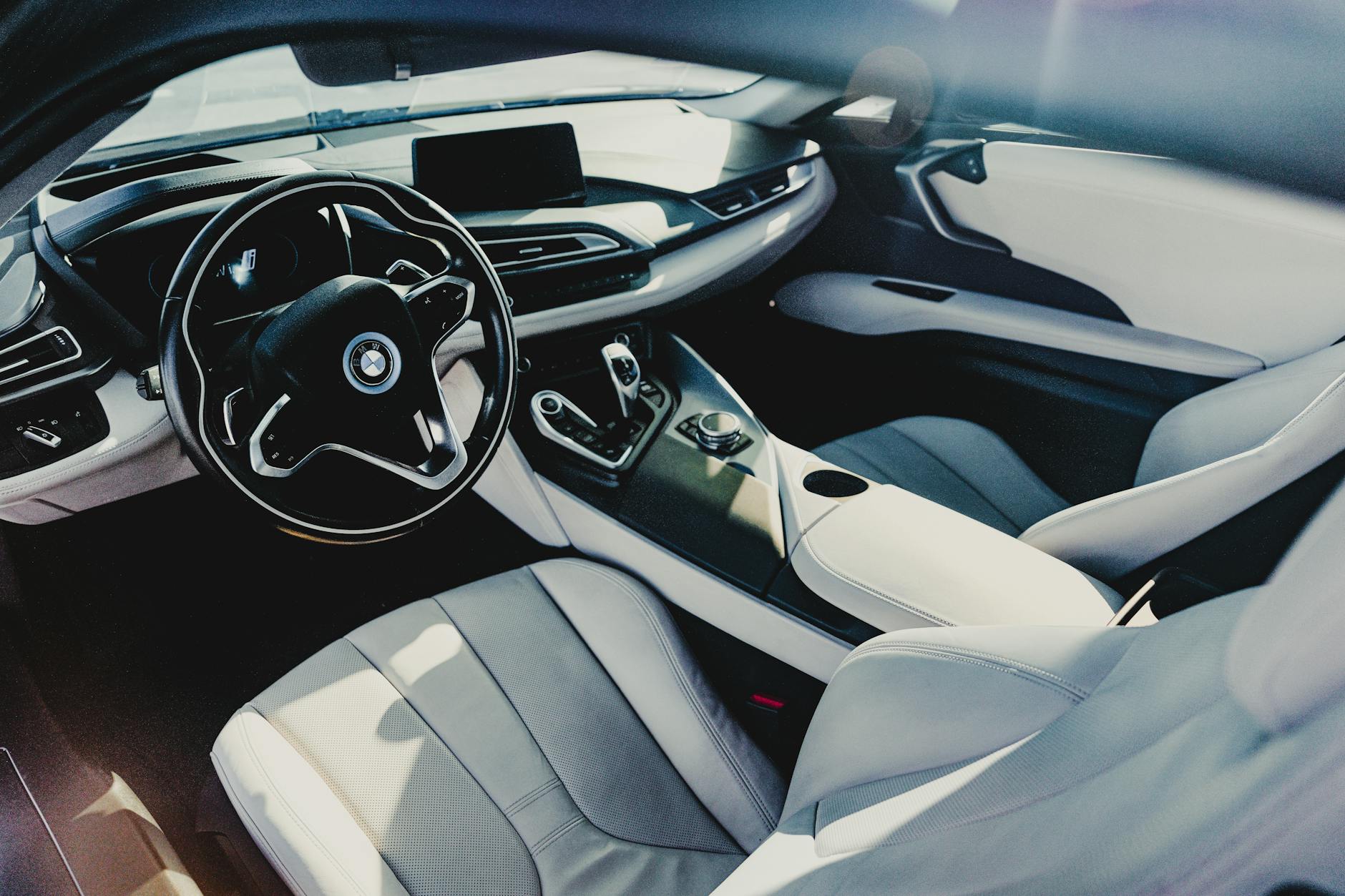
Rivian takes a different approach with its R1S, offering a more traditional automotive interface enhanced with modern technology. The truck features multiple screens including a 12-inch center display and an additional 6.8-inch screen below it for climate controls. This design philosophy maintains physical controls for essential functions while integrating advanced tech features.
The R1S includes Rivian’s “Camp Mode” that maintains climate control and power accessories while parked, perfect for families who enjoy outdoor adventures. The vehicle’s “Tank Turn” feature allows it to spin nearly in place by rotating wheels in opposite directions, useful for tight camping spots or difficult parking situations. These features specifically target families who view their vehicle as an enabler of outdoor experiences rather than just transportation.
Both vehicles integrate seamlessly with smartphones and offer premium audio systems, but their approaches reflect different priorities. Tesla focuses on continuous software innovation and autonomous driving development, while Rivian emphasizes practical adventure features and maintaining some traditional automotive controls.
Performance and Range Comparison
Tesla Model Y offers three configurations with the Long Range variant providing an EPA-estimated 330 miles of range and 4.8-second zero-to-sixty acceleration. The Performance model reduces range to 303 miles but drops acceleration to 3.5 seconds, delivering sports car performance in an SUV package. Tesla’s heat pump system helps maintain efficiency in cold weather, addressing a common electric vehicle concern for families in northern climates.
Rivian R1S delivers more raw capability with its quad-motor setup producing over 400 horsepower and 413 pound-feet of torque. The truck’s EPA rating reaches 316 miles for the Large Pack configuration, though real-world range varies significantly based on driving conditions and payload. The R1S can tow up to 7,700 pounds compared to the Model Y’s 3,500-pound capacity, making it genuinely capable for families who haul boats, trailers, or camping equipment.

The performance difference becomes most apparent off-road. Tesla designed the Model Y primarily for on-road efficiency and performance, with all-wheel drive capability suitable for snow and light gravel roads. Rivian engineered the R1S as a legitimate off-road vehicle with over 14 inches of ground clearance, water fording capability up to 43 inches, and individual wheel control for navigating challenging terrain.
Charging speed represents another crucial performance metric for families planning road trips. Tesla Model Y can accept up to 250kW DC fast charging, adding roughly 162 miles of range in 15 minutes under optimal conditions. Rivian R1S supports up to 210kW charging speeds, though the larger battery pack means longer total charging times for complete fills.
Both vehicles handle daily family duties admirably, but their performance profiles serve different use cases. Tesla optimizes for efficient daily driving and road trip capability, while Rivian adds genuine off-road adventure capability at the cost of some efficiency.
Interior Space and Family Practicality
Family functionality reveals significant differences between these two electric SUVs. Tesla Model Y provides seating for up to seven passengers with the optional third row, though the rear seats work best for children rather than adults. Cargo space measures 68 cubic feet with rear seats folded, plus a front trunk adding 3.1 cubic feet of additional storage.
The Model Y’s interior emphasizes simplicity and easy cleaning with synthetic leather surfaces and minimal physical controls. Families appreciate features like Netflix streaming while parked, multiple USB-C charging ports, and a large glass roof that creates an airy cabin feel. The vehicle’s HEPA filtration system became particularly relevant during recent air quality concerns, providing clean cabin air even in heavily polluted environments.
Rivian R1S offers a more premium interior experience with genuine leather options, natural wood trim, and carefully designed physical controls. The vehicle seats seven passengers across three rows, with the second row offering more space than Tesla’s equivalent. Cargo capacity reaches 104.7 cubic feet with all seats folded, significantly more than the Model Y.
Unique Rivian features include a “gear tunnel” that runs the width of the vehicle behind the cabin, providing secure storage for valuable items or dirty gear that families don’t want inside the main cabin. The R1S also offers an optional camp kitchen that slides out from this tunnel, complete with a cooktop and preparation surface for outdoor cooking.
Both vehicles offer advanced safety features including automatic emergency braking and blind spot monitoring, but Rivian includes additional off-road specific systems like hill descent control and rock crawl modes that could prove valuable for adventurous families.
Similar to how professionals compare tools for specific use cases – much like evaluating Apple Vision Pro versus Meta Quest 3 for remote collaboration – choosing between these EVs requires understanding your family’s specific priorities and use patterns.
Charging Infrastructure and Ownership Experience
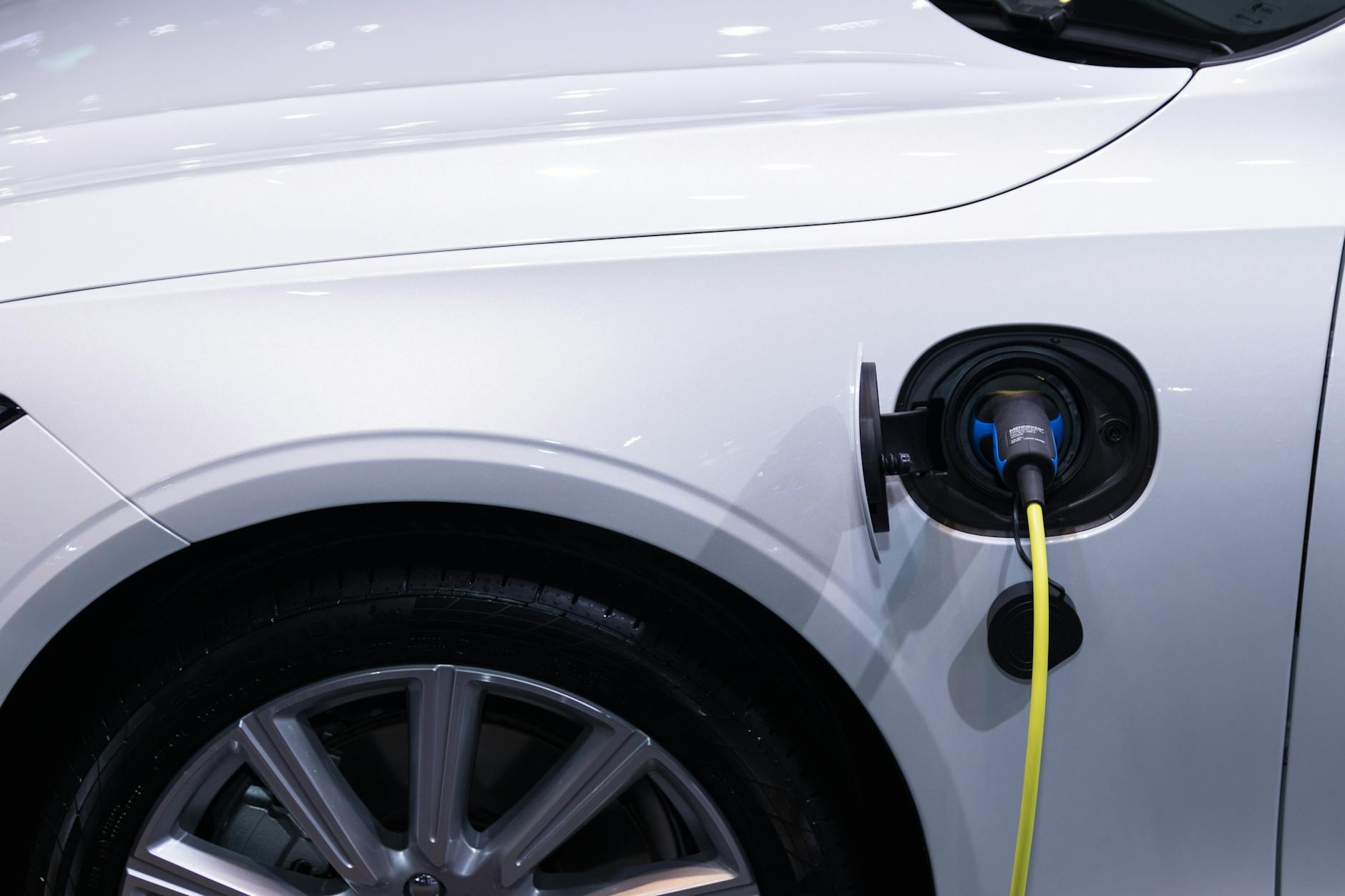
Tesla’s Supercharger network remains the gold standard for electric vehicle charging infrastructure. With over 45,000 Superchargers globally and strategic placement along major travel routes, Tesla owners rarely experience range anxiety during road trips. The integration between vehicle software and charging network means the car automatically preconditions the battery for optimal charging speeds and routes drivers to available stations.
Tesla’s mobile app allows owners to precondition the cabin, monitor charging progress, and even summon the vehicle in parking lots. Service appointments can be scheduled through the app, and many issues get resolved through over-the-air updates without requiring service center visits. This approach appeals to tech-forward families who appreciate seamless digital experiences.
Rivian owners currently rely on the broader CCS charging network, which offers decent coverage in most areas but lacks the reliability and integration of Tesla’s system. Rivian is developing its own charging network called the Rivian Adventure Network, specifically designed for outdoor destinations and off-road access points. The company plans 600 sites by 2025, though current availability remains limited.
Rivian’s ownership experience emphasizes personal service with dedicated guides who help customers through the purchase and delivery process. The company offers mobile service for many maintenance items and provides detailed adventure planning tools through its mobile app. These services target customers who view their vehicle purchase as joining a lifestyle brand rather than simply buying transportation.
Pricing reflects these different approaches, with Tesla Model Y starting around $47,000 for the base configuration and reaching $54,000 for the Long Range model. Rivian R1S pricing begins at $78,000 for the base configuration and can exceed $90,000 with premium options. Both companies offer federal tax credit eligibility, though specific amounts depend on vehicle configuration and buyer income levels.
The ownership experience ultimately depends on whether families prioritize Tesla’s established ecosystem and charging infrastructure or Rivian’s premium positioning and adventure-focused features. Tesla delivers proven technology and broad charging access, while Rivian offers a more exclusive experience with genuine off-road capability.
As electric vehicle adoption accelerates, both Tesla and Rivian continue refining their approaches to family transportation. Tesla focuses on scaling production and improving autonomous driving capabilities, while Rivian expands its charging network and develops additional adventure-oriented features. The winner for any specific family depends entirely on whether they prioritize efficiency and established infrastructure or premium materials and off-road adventure capability.
Frequently Asked Questions
Which has better range, Tesla Model Y or Rivian R1S?
Tesla Model Y Long Range offers 330 miles EPA rating compared to Rivian R1S’s 316 miles, though real-world performance varies by driving conditions.
Can both vehicles seat seven passengers?
Yes, both offer seven-seat configurations, though Rivian R1S provides more space for adult passengers in the second and third rows.