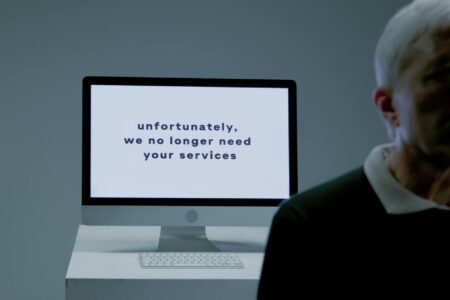





The creator economy’s golden child is losing its shine. Substack, once heralded as the savior of independent journalism and the newsletter renaissance, is watching a steady stream of its most prominent writers abandon ship for other platforms or leave the newsletter game entirely.
Newsletter fatigue has become a real phenomenon. Readers who once eagerly subscribed to dozens of publications now find their inboxes cluttered with content they never open, leading to mass unsubscribes and plummeting open rates across the platform.
The exodus isn’t limited to small-time creators either – several high-profile writers who helped establish Substack’s credibility have quietly migrated elsewhere or shut down their publications altogether.

The Economics of Newsletter Burnout
The subscription model that once seemed so promising has revealed its fundamental flaws. Most writers discovered that building a sustainable income requires thousands of paying subscribers, a threshold that proves elusive for all but the most established names. The pressure to constantly produce content worth paying for has led many creators to burn out within their first year.
Substack’s revenue-sharing model, while generous compared to traditional media, still takes a significant cut of creator earnings. For writers struggling to reach profitability, that 10% fee represents money they can’t afford to lose. Many have found they can retain more revenue by moving to direct payment platforms or building their own subscription systems.
The platform’s discovery mechanisms have also proven inadequate. Unlike social media platforms that actively promote content, Substack relies heavily on external traffic and word-of-mouth marketing. New creators find themselves shouting into the void, unable to build the initial subscriber base needed for long-term success.
Platform Alternatives Gain Ground
Ghost, ConvertKit, and Beehiiv have all seen significant growth as Substack alternatives, offering better customization options and more favorable economics. These platforms allow creators to maintain ownership of their subscriber lists and often provide superior analytics and marketing tools.

Medium has also capitalized on the newsletter fatigue by pivoting back to its roots as a publishing platform without the subscription pressure. Writers frustrated with the constant hustle of newsletter monetization have found refuge in Medium’s Partner Program, which pays based on engagement rather than subscriptions.
Social media platforms have taken notice too. Twitter’s subscriber features and LinkedIn’s newsletter tools provide creators with built-in audiences they don’t have to build from scratch. The integration with existing social networks eliminates the cold-start problem that plagued many Substack creators.
The Attention Economy Reality Check
The fundamental issue isn’t just with Substack – it’s with the entire premise of newsletter culture. Readers have limited attention spans and even more limited willingness to pay for multiple subscriptions. The market has become oversaturated with newsletters covering similar topics, making differentiation increasingly difficult.
The podcast boom offers a cautionary tale. What started as an open ecosystem dominated by independent creators eventually consolidated around major platforms and celebrity hosts. Newsletter publishing appears to be following a similar trajectory, with only the most established voices maintaining significant audiences.

Consumer behavior has shifted away from email-based content consumption. Younger audiences prefer visual, short-form content on platforms like TikTok and Instagram, while older demographics increasingly rely on curated news apps rather than individual newsletter subscriptions. The newsletter format itself may be fundamentally misaligned with how people actually want to consume information in 2024.
The creators who built Substack’s initial reputation are already planning their next moves, and few involve staying on the platform long-term.