



A chatbot never has to worry about thermal throttling, battery swelling or a bad antenna.
OpenAI made its hardware intentions concrete in May 2025, when it announced the acquisition of io, the startup founded by former Apple design chief Jony Ive, in a deal reportedly valued at around $6.5 billion. Ive’s design firm, LoveFrom, took on creative responsibility across OpenAI, and Sam Altman has talked about a family of devices built around AI rather than around apps and screens. The pitch is easy to like. The smartphone was designed before anyone could talk to a model that talks back, and a product built for that interaction from scratch could drop a lot of baggage: the icon grid, the notification pile, the habit of staring down at glass. For a company whose flagship product lives in a browser tab, owning the physical layer also means owning the relationship with the user instead of renting it from Apple or Google.
That logic holds up on a slide, and it gets much harder in a factory. Software companies are used to shipping something imperfect on Tuesday and fixing it by Thursday, and hardware offers no such grace. Once a device is manufactured by the hundreds of thousands, a flawed battery, a weak microphone array or a cracking hinge is physically out in the world. Returns cost real money, recalls cost reputation, and tolerance for “we’ll patch it” shrinks fast when a customer has paid for an object that runs warm in their pocket.
The Wreckage Left by the First Wave
The category OpenAI wants to enter already has casualties. Humane’s AI Pin arrived in 2024 with a high price, a subscription and a promise to loosen the phone’s grip on daily life. Reviews were harsh, with complaints about overheating, slow responses and spotty accuracy, and the company wound down and sold its assets to HP in early 2025. Rabbit’s R1 drew similar criticism for doing far less than its launch demos implied. Neither product failed because the idea of an AI companion is silly. They failed on basics: battery life, heat, latency and plain reliability.
The phone is a brutal incumbent. It already holds the best screen, camera, radios and battery that most people own, and it is in their pocket whether they like it or not. A new device has to beat the phone at something specific enough to justify carrying a second object, or be good enough to replace the phone outright, and nobody has managed either. Every extra thing a user has to charge, pair or remember to bring is a reason to leave it in a drawer. Ive’s reputation for making objects people want to touch helps with the first impression, but it does nothing for the third week, when novelty fades and only usefulness is left.
OpenAI does have advantages the earlier startups lacked: strong models, a famous brand and a great deal of capital. But a model that lives in data centers means every spoken request depends on connectivity and a round trip, and a two-second pause that feels fine in a chat window feels broken when you are talking to a small object on a sidewalk. Running more of the model on the device cuts the delay but eats into battery and chip budgets. Then there is privacy. A product designed to understand context has to listen, watch or both, and that raises questions a typed prompt never did. Bystanders did not agree to be part of anyone’s assistant.
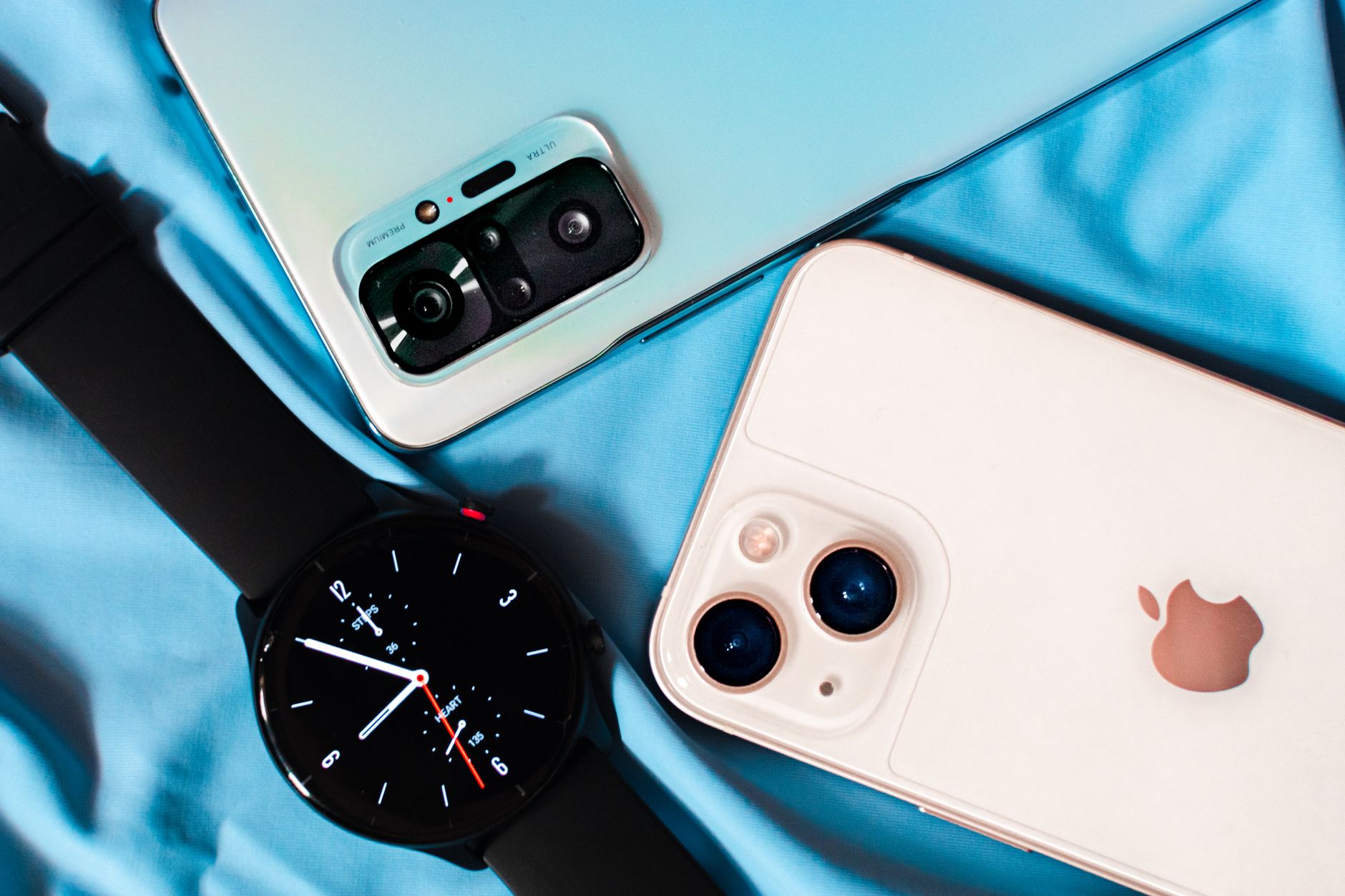
Factories, Compute and an Expensive Learning Curve
Making a consumer device at scale involves a long list of unglamorous jobs: tooling, contract manufacturers, component sourcing, radio and battery certification, logistics, warranty handling and customer support. Apple spent decades building that machinery, and hiring talented people from the industry shortens the road without erasing it. Design is only one input. A beautiful prototype that survives a demo is a long way from a million identical units that survive a commute, and the gap between the two is where most hardware startups quietly run out of money.
The economics are also unfamiliar. A phone maker sells a device once and moves on, while an AI device turns every use into an ongoing compute bill. That pushes toward subscriptions, which is a hard sell when people already pay for a chatbot and a phone plan. OpenAI is not new to the physical side of the business, since it has been pushing into custom silicon, part of a wider effort by Nvidia’s biggest customers to build their own AI chips. But chips that sit in a data center do not have to fit in a pocket, run cool or last a full day on a small battery.
Timing may be the quietest problem. Court filings in a trademark dispute over the io name reportedly indicated that the first product would not be an in-ear device or a wearable, and that it was not close to shipping. Beyond that, the company has said little. Hardware runs on a calendar that AI does not: models can change meaningfully in a few months, while a device’s chips, sensors and shape are locked in years before a customer touches it. Designing around a model you have not built yet means guessing what the software will be able to do, and a wrong guess is permanent once