





Klarna Wants to Be More Than a Payment Method
Klarna built its reputation on buy now, pay later. For years, that meant sitting inside the checkout flow as an option – a financing layer bolted onto someone else’s infrastructure. Now the company is building the infrastructure itself. Klarna’s checkout product, which it has been quietly expanding across Europe and the United States, positions it not just as a payment method but as the checkout layer – the same territory Stripe has spent a decade making its own.
The friction point is small and medium-sized businesses. Stripe’s dominance in the SMB segment rests on a simple promise: drop in a few lines of code and you get a fully functioning, conversion-optimized checkout that handles card payments, fraud, currency, and increasingly, embedded financing options. Klarna is now selling a version of that same promise, with the added hook that it already owns the consumer relationship at the point of payment. That combination is what makes the competitive pressure real.
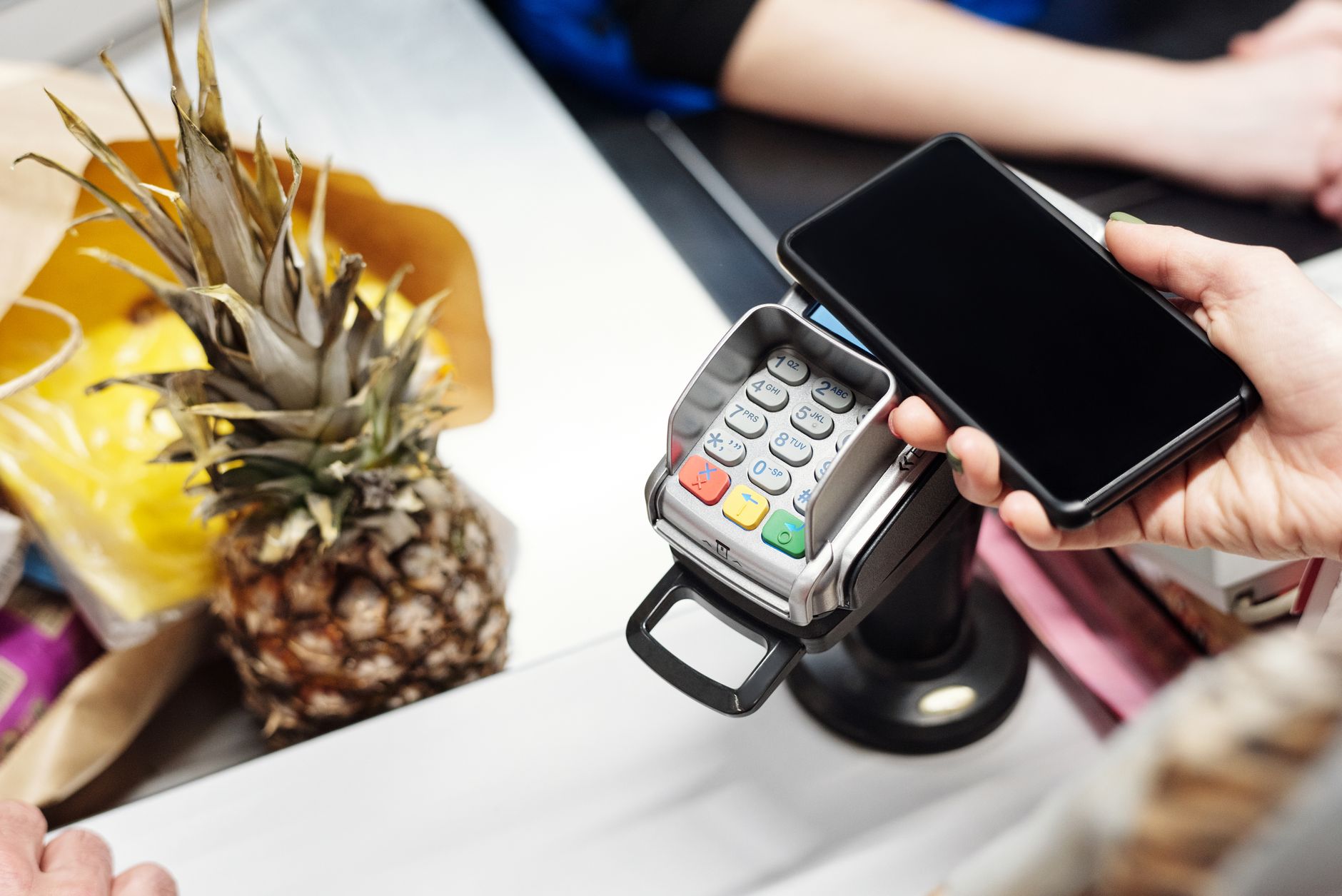
What Klarna’s Checkout Product Actually Does
Klarna’s checkout offering goes beyond surfacing BNPL as an option inside another company’s payment form. The product replaces the checkout form entirely, handling payment method selection, address auto-fill, one-click returning user flows, and financing options – all within a branded Klarna interface. For merchants, the pitch is straightforward: higher conversion rates because Klarna’s returning users move through checkout faster, and fewer abandoned carts because flexible payment terms are baked in by default rather than added as an afterthought.
The consumer base Klarna brings to that argument is substantial. The company reports tens of millions of active app users, and a returning Klarna user can complete a purchase without re-entering payment or shipping details. That kind of frictionless experience is exactly what Stripe’s Link product – its accelerated checkout solution – is designed to deliver. Both companies are now competing to be the stored credential layer that consumers trust across merchants, which means every SMB that signs with one is a signal sent to the other.
For small merchants in particular, the decision is less about features and more about where their customers already have accounts. A fashion boutique selling to a customer base that skews younger and European will find Klarna’s existing user penetration genuinely useful. A SaaS company billing enterprise clients monthly has no meaningful use for BNPL and stays on Stripe. The competitive overlap lives in retail, direct-to-consumer brands, and subscription box categories – exactly the SMB verticals Stripe has historically dominated through ease of integration.

Stripe’s Positioning Problem
Stripe’s response to Klarna’s checkout push is complicated by the fact that Stripe has also partnered with Klarna. In several markets, Klarna is available as a payment method inside Stripe Checkout, which means Stripe is simultaneously distributing Klarna’s product and competing against Klarna’s standalone checkout. That kind of layered relationship is common in payments infrastructure, but it limits how aggressively Stripe can position against Klarna without disrupting a partnership its own merchants rely on.
The more direct problem is pricing perception. Klarna’s merchant fees are structured around the value of financing – the merchant pays a higher per-transaction rate but potentially sees larger average order values. Stripe’s fees are flat and predictable, which appeals to merchants who want clean unit economics. When Klarna can demonstrate that a 5% transaction fee produces a 20% lift in average basket size, the math shifts, and flat-rate simplicity loses some of its appeal. That conversion argument is what Klarna is leading with in its SMB sales conversations.
The Merchant Acquisition Race
Klarna has been investing heavily in direct merchant sales in the United States, a market where its consumer brand recognition lags behind competitors like Affirm and Afterpay. Building a checkout product that stands on its own – regardless of BNPL adoption – gives Klarna a reason to walk into a merchant conversation that doesn’t start with “do your customers want to pay in installments?” It starts instead with “do you want better checkout conversion?” That is Stripe’s home turf question, and Klarna is now asking it.
Small and medium businesses are particularly vulnerable to this kind of pitch because their checkout decisions are often made by a single person – a founder, a head of e-commerce, or a developer – who is weighing the decision on practical outcomes rather than deep technical integration requirements. Stripe wins that conversation on developer experience and documentation. Klarna is trying to win it on merchant outcomes data, pointing to conversion lifts from merchants who switched their checkout provider.
The category Klarna is quietly encroaching on – much of this mirrors what happens when a vertically integrated challenger enters a platform market – tends to follow a predictable pattern. The challenger wins at the edges first, in geographies or merchant categories where its existing product has natural leverage. Klarna’s natural leverage is in fashion, beauty, and home goods, categories where its consumer base is already engaged and where BNPL adoption is high. Those also happen to be among Stripe’s most active SMB verticals.

What makes the pressure harder to dismiss is that Klarna filed for a US IPO earlier this year, which means its growth story needs new dimensions. Processing volume from its own checkout product, rather than from being a line item inside Stripe’s dashboard, is a meaningfully different revenue narrative. Every merchant Klarna onboards to its standalone checkout is a merchant that appears in Klarna’s GMV figures rather than Stripe’s. The incentive to accelerate that conversion is tied directly to how Klarna prices itself for public market investors – and that deadline is not abstract.