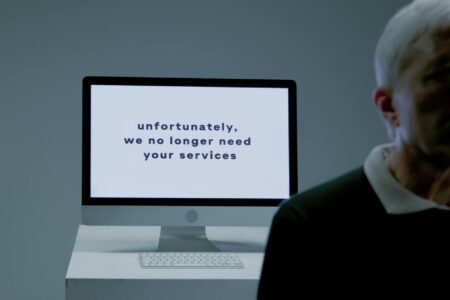





TikTok creators are watching their monthly payments shrink as the platform overhauls its Creator Fund program, replacing the original billion-dollar initiative with a new “Creativity Program” that promises higher payouts but comes with stricter requirements. The shift has left many influencers scrambling to adapt their content strategies or seek alternative revenue streams.
The changes, which began rolling out in late 2023, mark TikTok’s most significant adjustment to creator compensation since launching the Creator Fund in 2020. While the company touts improved earnings potential, creators report mixed results that depend heavily on content type, audience engagement, and geographic location.

The New Program Demands Longer Content
TikTok’s Creativity Program fundamentally changes what content earns money. The new system only pays creators for videos longer than one minute, abandoning the original fund’s openness to all video lengths. This requirement has forced creators who built followings on quick, punchy content to completely rethink their approach.
“I used to make 30-second dance videos that got millions of views,” says Miami-based creator Maria Santos, who has 2.3 million followers. “Now I’m trying to stretch those into minute-long tutorials, but it feels forced. My engagement has actually dropped.”
The longer-form requirement reflects TikTok’s broader competition with YouTube and Instagram Reels. The platform wants creators producing content that keeps users watching for extended periods, increasing overall time spent in the app. However, this shift challenges TikTok’s original appeal as a platform for bite-sized entertainment.
Creators in the new program also face higher follower requirements. While the original Creator Fund accepted creators with 10,000 followers, the Creativity Program requires at least 100,000 followers in most regions. This change has effectively locked out emerging creators who relied on the fund as early income while building their audience.
Payment Structures Show Dramatic Variations
Early reports from creators in the Creativity Program reveal widely different payment experiences. Some creators report earnings increases of 300-500% compared to the old fund, while others see dramatic decreases despite similar view counts.
The new algorithm appears to heavily weight engagement metrics beyond simple views. Creators producing educational content, cooking tutorials, and DIY projects report better earnings than those making traditional TikTok entertainment content like dance videos or comedy sketches.
“My woodworking videos now earn about four times what they did under the old system,” reports Texas creator Jake Morrison, whose furniture-making content attracts 500,000 to 2 million views per video. “But my friend who makes comedy skits says his payments dropped by 70% even though his videos still go viral.”
TikTok has remained largely quiet about the specific metrics that determine Creativity Program payments. The company states that payments depend on “video performance, audience engagement, and content authenticity,” but creators say the lack of transparency makes it difficult to optimize their content strategy.
Payment timing has also changed. While the original Creator Fund paid monthly, the Creativity Program processes payments weekly, which some creators appreciate for better cash flow management.
Creators Diversify Income as Platform Payments Fluctuate
The uncertainty around TikTok’s new payment structure has accelerated creator diversification into other revenue streams. Brand partnerships, merchandise sales, and cross-platform content creation have become more critical as creators reduce their dependence on platform-direct payments.
Many creators are now treating TikTok primarily as a discovery platform rather than a direct income source. They use viral TikTok content to drive followers to Instagram, YouTube, or personal websites where monetization options are more predictable and transparent.
“TikTok is my funnel now, not my bank account,” explains fashion creator Ashley Chen, who has 1.8 million TikTok followers. “I make my real money from brand deals that come through TikTok exposure and from my YouTube channel where ad revenue is consistent.”
This shift mirrors broader creator economy trends where successful influencers maintain presence across multiple platforms. The change has particularly benefited creators who were already diversified, while those who relied heavily on TikTok’s Creator Fund face more challenging transitions.
Some creators report that brands are paying higher rates for TikTok sponsorships, partly because the platform’s reduced direct payments have created more competition for brand partnership dollars. However, this trend primarily benefits creators with substantial followings and strong engagement rates.
Industry Impact Extends Beyond Individual Creators
The Creator Fund changes are reshaping the broader influencer marketing landscape. Marketing agencies report shifts in how they allocate budgets across social platforms, with some moving dollars toward platforms with more stable creator economies.
Talent management companies are adjusting their strategies to help creators navigate the new payment structure. Many agencies now focus more heavily on developing creators’ presence across multiple platforms rather than optimizing for any single platform’s monetization program.
The changes also affect how brands approach TikTok campaigns. Some companies are increasing direct payments to creators to compensate for reduced platform earnings, while others are shifting budgets toward platforms where creator compensation is more predictable.
Educational content creators appear to be the biggest winners in the new system, with financial advice, cooking instruction, and tutorial content earning significantly more than traditional entertainment content. This trend is driving more creators toward educational formats, potentially changing TikTok’s content landscape.
The long-term implications of TikTok’s Creator Fund overhaul remain unclear, but early patterns suggest the platform is prioritizing content that keeps users engaged for longer periods while rewarding creators who can adapt to more educational and instructional formats. As the Creativity Program continues rolling out globally, creators are learning that success on TikTok increasingly requires treating the platform as one component of a diversified content strategy rather than a standalone income source.
For creators willing to embrace longer-form content and educational approaches, the new system offers genuine opportunities for increased earnings. However, those who built their followings on TikTok’s traditional short-form entertainment content may need to evolve their approach or look elsewhere for consistent platform-based income.
Frequently Asked Questions
What are the main requirements for TikTok’s new Creativity Program?
Creators need 100,000+ followers and must make videos longer than one minute to earn money from the new program.
Are creators earning more or less money under the new system?
Results vary dramatically – some creators report 300-500% increases while others see 70% decreases depending on content type and engagement.