




Empty anchor stores and vacant food courts across America are getting an unexpected second life as high-tech farms. Vertical farming companies, once relegated to expensive urban warehouses, are discovering that abandoned shopping malls offer the perfect combination of space, infrastructure, and affordability they need to scale their operations.
The trend accelerated significantly over the past two years as retail vacancies hit record highs and vertical farming technology became more cost-effective. Companies like AeroFarms, Plenty, and Bowery Farming are converting former department stores into towering growing facilities, transforming dead retail space into food production powerhouses.
The Perfect Storm of Vacant Space and Growing Demand
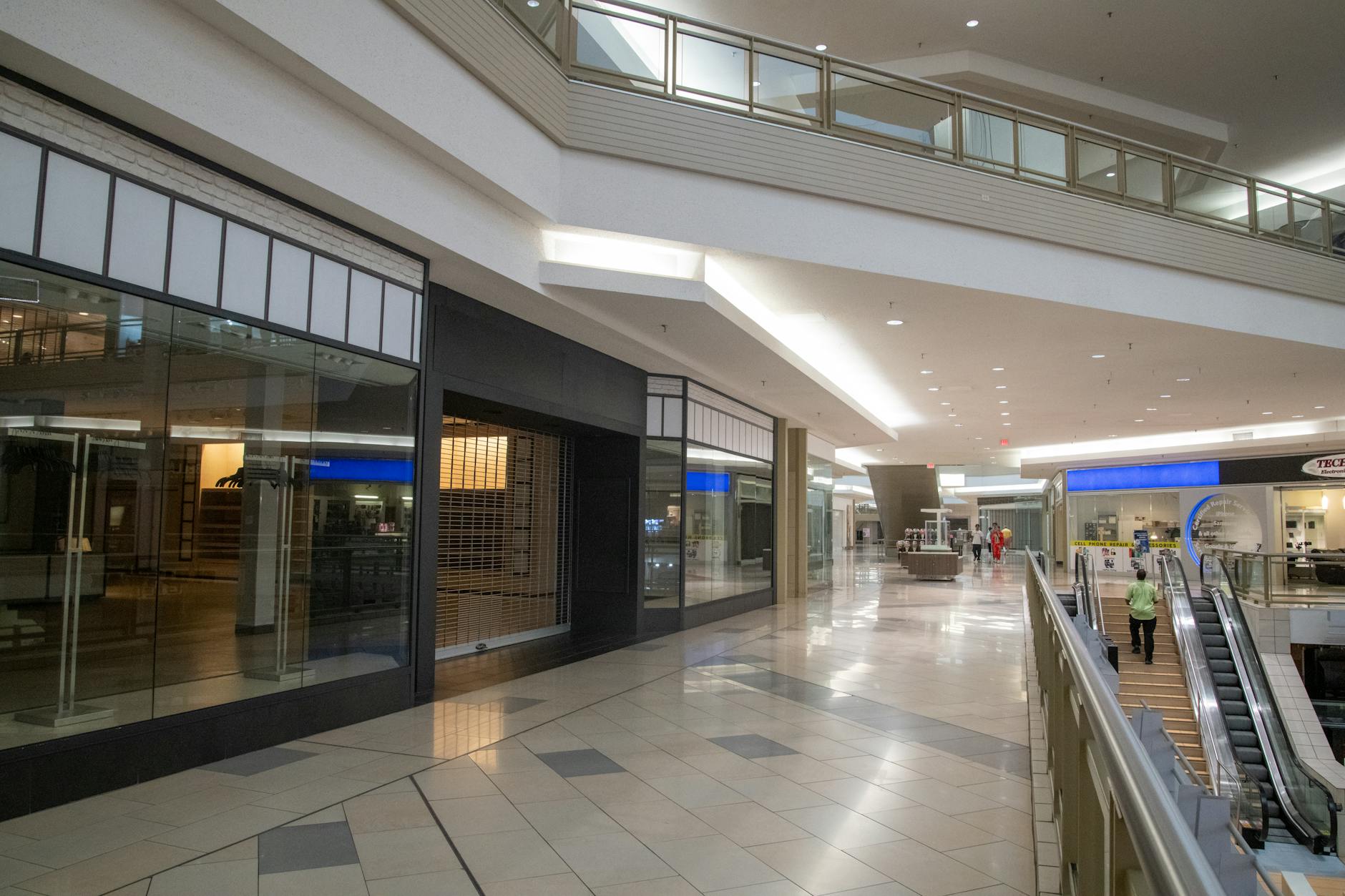
Shopping mall vacancy rates reached 25% in 2023, leaving property owners desperate for tenants who can pay rent and revitalize these massive spaces. Meanwhile, vertical farming companies need large, climate-controlled environments with high ceilings and robust electrical systems – exactly what former anchor stores provide.
“We looked at traditional warehouse space for years, but the costs were prohibitive,” says Jennifer Martinez, operations director at GreenTower Farms, which recently opened a facility in a former Sears location in Ohio. “Mall spaces give us 50,000 square feet with existing HVAC, electrical infrastructure, and parking. The landlord was practically begging us to move in.”
The economics work for both sides. Property owners can command rents of $8-12 per square foot for these conversions, significantly higher than what struggling retailers were paying. Vertical farms get access to prime real estate at a fraction of the cost of purpose-built facilities.
Mall locations also solve a critical logistics challenge. Most shopping centers sit at major highway intersections with easy truck access, allowing farms to distribute fresh produce efficiently to grocery chains and restaurants within a 50-mile radius.
Technology Meets Retail Infrastructure
The physical characteristics that made these spaces ideal for retail translate surprisingly well to agriculture. High ceilings accommodate multi-story growing towers, while existing electrical systems can handle the substantial power demands of LED grow lights and climate control systems.
Former department stores typically feature column-free layouts spanning 20,000 to 80,000 square feet – perfect for installing automated growing systems. The concrete floors can support heavy equipment, and loading docks designed for merchandise deliveries work equally well for produce distribution.
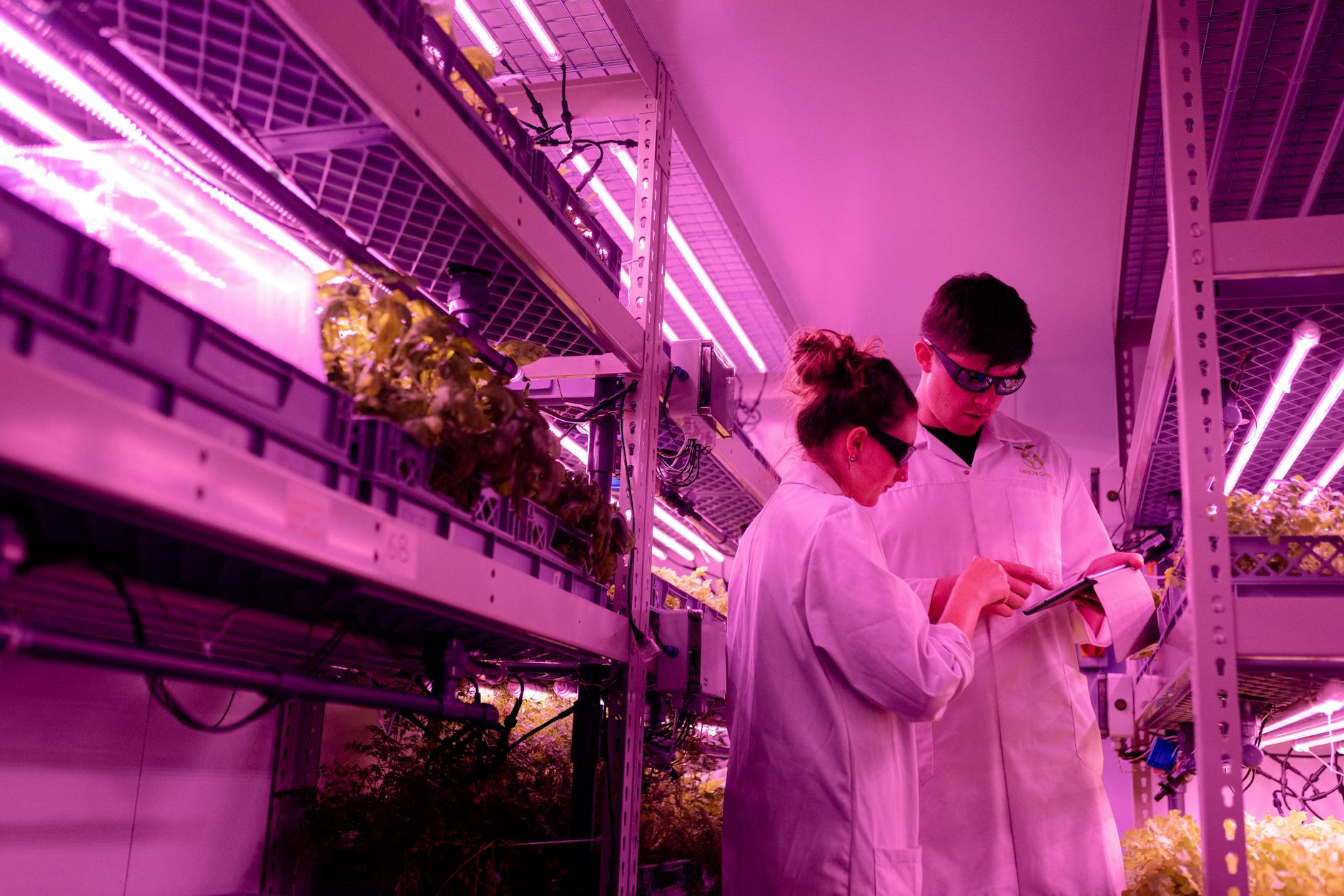
Several companies are retrofitting these spaces with cutting-edge technology. Automated planting and harvesting robots navigate between growing towers, while AI systems monitor plant health and adjust lighting, nutrients, and airflow in real-time. Some facilities can produce the equivalent of 400 acres of traditional farmland in a single anchor store space.
The controlled environment eliminates weather risks and allows for year-round production. Crops grow 365 days per year with precise nutrient delivery and optimal growing conditions, producing yields up to 350 times higher per square foot than traditional farming methods.
Economic Advantages Drive Adoption
Beyond space efficiency, mall conversions offer vertical farms significant cost savings compared to ground-up construction. Building a new vertical farm facility can cost $15-20 million, while retrofitting existing retail space typically runs $8-12 million for similar capacity.
The existing infrastructure reduces construction timelines from 18 months to 8-10 months. HVAC systems need upgrades to handle humidity and temperature precision, but the basic framework exists. Electrical systems require enhancement for LED lighting loads, but the distribution infrastructure is already in place.
Water and waste management systems also benefit from existing retail plumbing, though they need modification for hydroponic growing systems and nutrient recycling. Many mall locations already have backup power systems that can be adapted for continuous crop production.
These cost savings help address one of the biggest challenges facing vertical farming: achieving profitability. Lower real estate and construction costs allow companies to focus investment on technology and automation that drive long-term efficiency gains.
Community Impact and Future Growth
The mall-to-farm conversions are creating unexpected economic benefits for struggling communities. A single vertical farm typically employs 50-100 people in skilled positions ranging from plant scientists to automation technicians, often paying wages 20-30% above the local average.
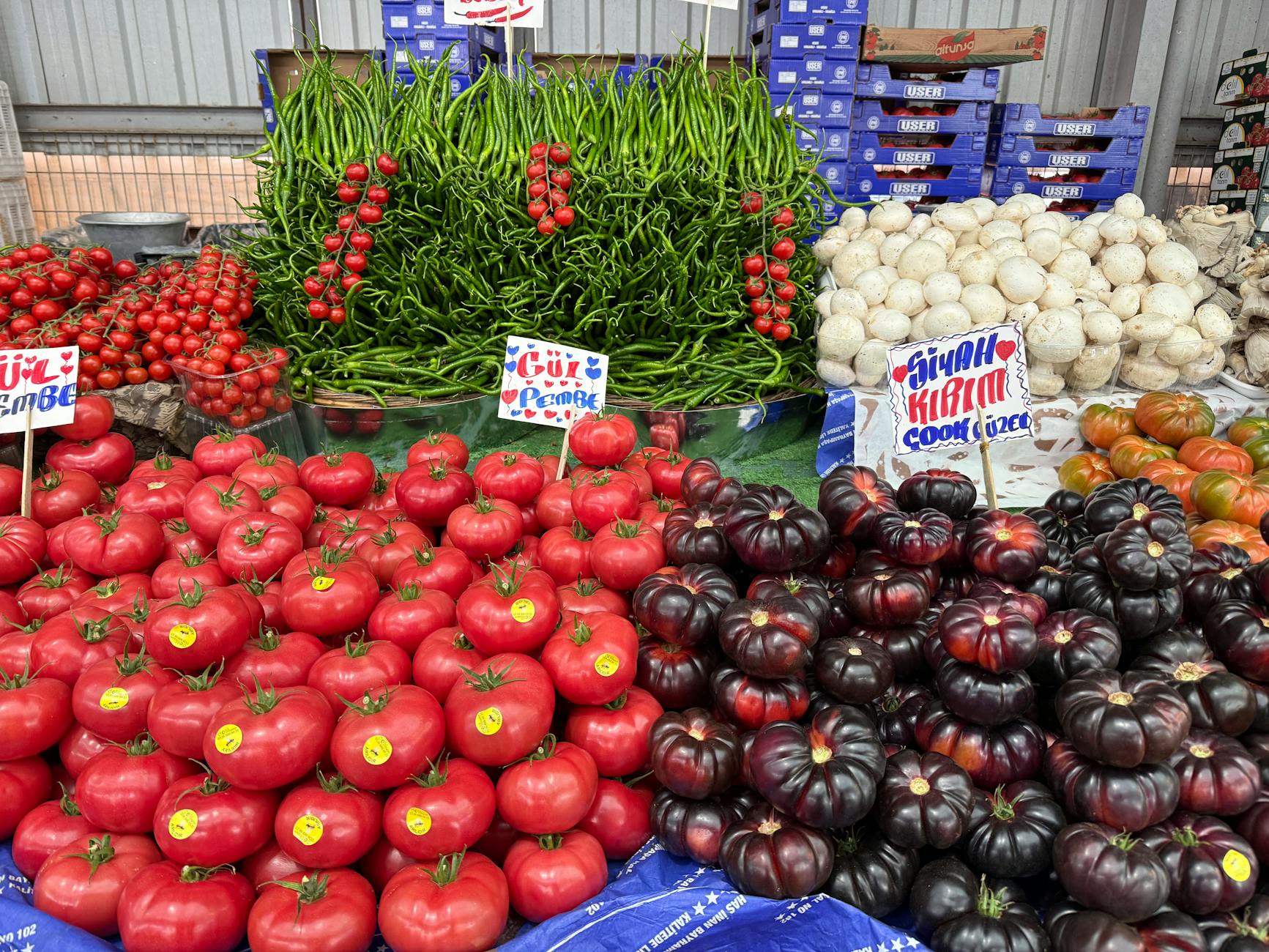
These facilities also address food security issues in areas traditionally underserved by fresh produce distribution. Known as “food deserts,” many communities lost grocery stores as shopping malls declined. Vertical farms can supply hyperlocal produce to remaining retailers or establish direct-to-consumer programs.
Some companies are taking community engagement further. Plenty recently opened a 95,000 square foot facility in a former JCPenney in Virginia, including a public education center where visitors can tour the growing floors and learn about sustainable agriculture technology.
The model appears to have staying power. Real estate analysts project that 20-30% of dead mall anchor stores could be suitable for agricultural conversion, representing millions of square feet of potential growing space. Unlike the quantum computing startups that require specialized facilities, vertical farms can adapt existing commercial real estate relatively easily.
Industry leaders expect the trend to accelerate as more malls face closure and vertical farming technology continues improving. The combination of abundant cheap space and growing consumer demand for locally-produced food creates a compelling business case that’s hard to ignore.
As traditional retail continues its shift online, these agricultural conversions offer a glimpse of how America’s commercial landscape might evolve. Dead malls aren’t just getting demolished – they’re being reborn as the farms of the future.
Frequently Asked Questions
Why are vertical farms choosing shopping malls over warehouses?
Malls offer existing infrastructure like HVAC, electrical systems, and high ceilings at lower costs than purpose-built facilities.
How much space do these mall conversions typically use?
Former anchor stores provide 20,000-80,000 square feet of column-free space ideal for vertical growing towers.