





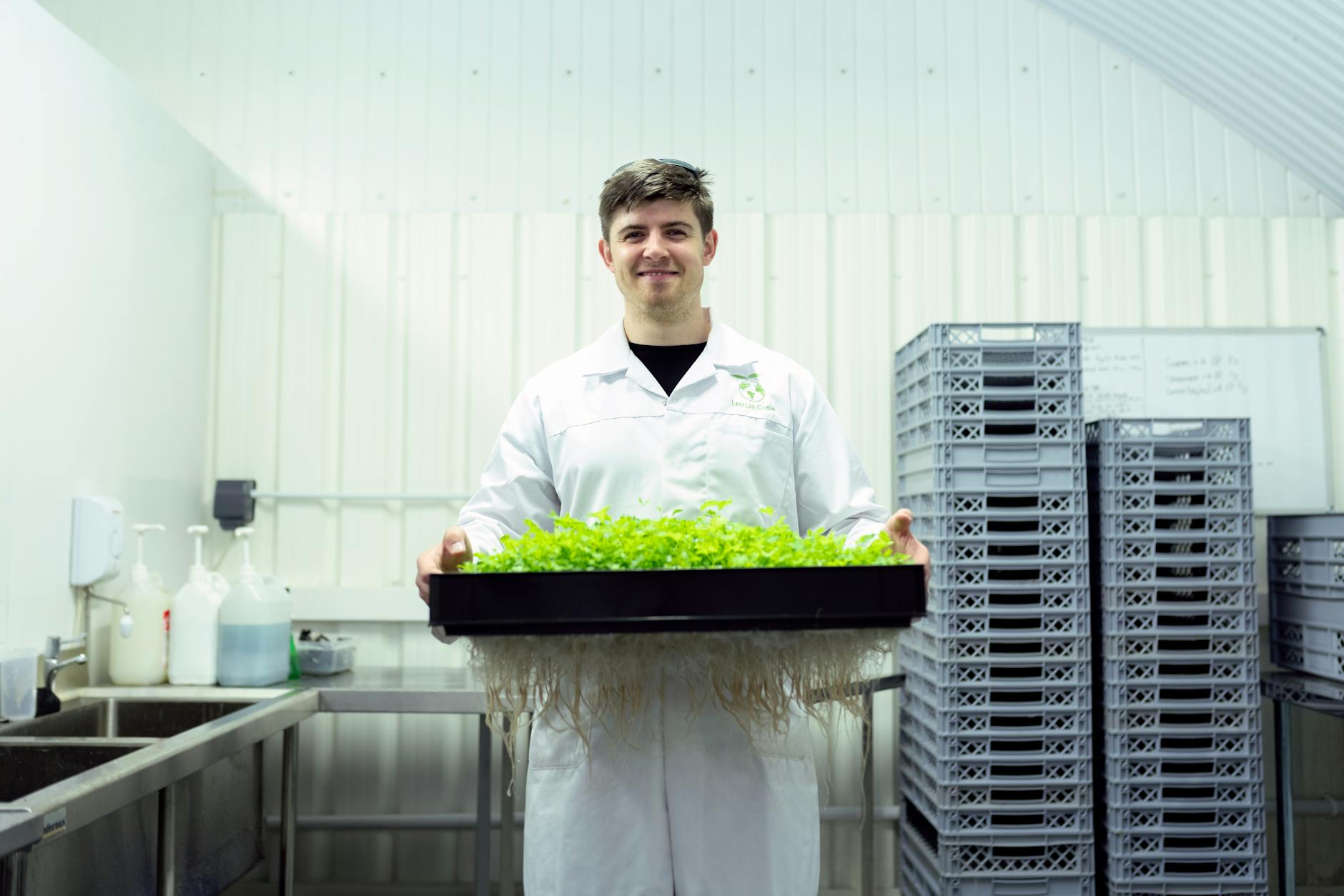
Massive warehouses stacked floor to ceiling with leafy greens and herbs are becoming the new gold mines of agriculture. Vertical farming companies pulled in over $2 billion in funding last year alone, marking the highest investment levels the industry has ever seen.
The surge reflects growing confidence that these soil-free, climate-controlled facilities can solve multiple crises at once: food security, supply chain disruptions, and environmental degradation. Major players like AeroFarms, Plenty, and Bowery Farming are expanding rapidly, while new entrants continue launching with ambitious growth plans.
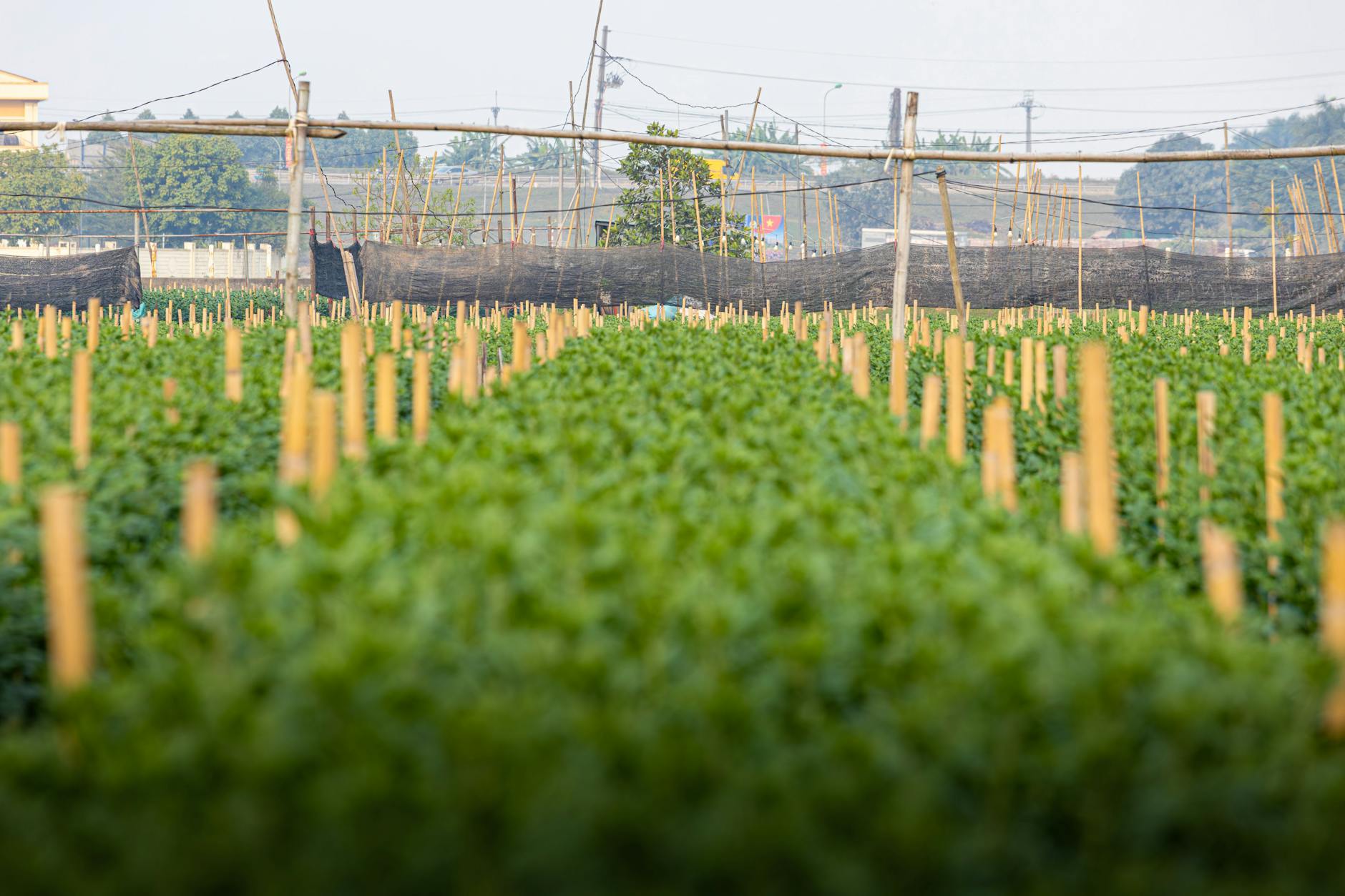
Traditional agriculture faces mounting pressures from climate change, water scarcity, and urbanization consuming farmland. Vertical farms promise year-round production using 95% less water and zero pesticides, all while growing crops closer to urban consumers. The technology has finally reached a tipping point where unit economics make sense for investors betting big on the future of food.

Technology Breakthroughs Drive Down Costs
LED lighting systems have become 50% more efficient over the past three years, dramatically reducing the energy costs that once made vertical farming prohibitively expensive. Advanced spectrum tuning allows farmers to optimize light wavelengths for specific crops, boosting yields while cutting electricity bills.
Automation represents another major cost breakthrough. Robotic seedling transplanters, harvesting systems, and AI-powered monitoring reduce labor costs by up to 80% compared to traditional farming. Computer vision systems can detect plant diseases and nutrient deficiencies earlier than human workers, preventing crop losses.
Climate control systems now use machine learning to predict optimal growing conditions, reducing energy consumption while maximizing plant growth rates. Some facilities report growing cycles 30% faster than field agriculture, enabling multiple harvests where outdoor farms manage just one.
Water recycling systems have reached near-perfect efficiency levels. Closed-loop hydroponic and aeroponic systems capture and reuse nearly all water, making vertical farms viable even in drought-prone regions. This technology appeals to investors concerned about water scarcity affecting traditional agriculture.
Supply Chain Disruptions Accelerate Adoption
The pandemic exposed vulnerabilities in global food supply chains, with produce shortages and price spikes affecting consumers worldwide. Vertical farms offer local production that bypasses international shipping and reduces dependence on weather-sensitive outdoor growing regions.
Major retailers are taking notice. Walmart has partnered with several vertical farming companies to source leafy greens for stores across multiple states. Amazon Fresh locations now feature produce from indoor farms, marketed as locally grown and pesticide-free. These retail partnerships provide vertical farms with guaranteed revenue streams that make them more attractive to investors.
Restaurant chains are also driving demand. Sweetgreen has invested in vertical farming operations to secure consistent supplies of fresh ingredients. The company can guarantee uniform quality and availability regardless of seasonal weather patterns or supply disruptions.
Food safety considerations add another layer of appeal. Vertical farms operate in controlled environments with minimal contamination risks compared to outdoor agriculture. This reduced risk of foodborne illness outbreaks makes vertical farming attractive for insurance companies and institutional buyers.
Geographic Expansion and Crop Diversification
Early vertical farms focused primarily on leafy greens and herbs, but newer facilities are expanding into strawberries, tomatoes, and even grains. This crop diversification opens larger market opportunities that justify bigger investments.
International expansion is accelerating as countries with limited arable land embrace vertical farming. Singapore has made vertical farming a national priority, offering substantial government incentives. The Netherlands, despite its agricultural expertise, is investing heavily in vertical farming to maximize production on limited land.
Middle Eastern countries facing water scarcity are becoming major markets. The UAE has launched several large-scale vertical farming projects, viewing them as essential for food security. These government-backed initiatives provide stable, long-term revenue opportunities for vertical farming companies.
Urban real estate developers are incorporating vertical farms into mixed-use projects. Former industrial buildings and abandoned warehouses are being converted into growing facilities, often with tax incentives from local governments eager to attract sustainable businesses.
The technology is expanding beyond vegetables into pharmaceutical crops and specialty ingredients. Some vertical farms now grow medicinal plants and high-value herbs for the cosmetics industry, commanding premium prices that improve profitability.
Market Challenges and Future Outlook
Despite record investment levels, vertical farming still faces significant challenges. Energy costs remain substantial, particularly in regions with expensive electricity. Most facilities are profitable only when growing high-value crops like specialty greens and herbs.
Consumer acceptance varies by market. While urban consumers often embrace locally grown produce, price-sensitive buyers may choose cheaper field-grown alternatives. Vertical farm produce typically costs 20-30% more than conventional alternatives, limiting mass market adoption.
Competition among vertical farming companies is intensifying as more players enter the market. Companies must differentiate through technology, efficiency, or exclusive retail partnerships. Some analysts worry about overcapacity as multiple facilities target the same geographic markets.
Looking ahead, experts predict continued consolidation as stronger companies acquire struggling competitors. The most successful vertical farming operations will likely focus on specific crops where they can achieve clear advantages over traditional agriculture.
Integration with existing food waste prevention initiatives could accelerate growth. Companies developing smart sensors to extend grocery shelf life are natural partners for vertical farms seeking to optimize their supply chains.
The next wave of investment will likely favor companies that can demonstrate clear paths to profitability at scale. As the technology matures and costs continue declining, vertical farming could transform from a niche agricultural method into a mainstream food production system serving urban populations worldwide.
Frequently Asked Questions
Why are investors putting so much money into vertical farming?
Lower energy costs from efficient LEDs, supply chain disruptions, and proven retail partnerships make vertical farming more profitable than ever.
What crops can vertical farms grow profitably?
Currently leafy greens, herbs, and strawberries are most profitable, with companies expanding into tomatoes and specialty pharmaceutical plants.