





Plant-based meat companies are quietly abandoning grocery store shelves for cafeteria steam tables. Beyond Meat’s stock has dropped 95% from its peak, Impossible Foods postponed its IPO indefinitely, and dozens of plant-based startups have shuttered operations. But rather than retreat entirely, survivors are pivoting hard toward institutional food service – the unglamorous world of hospital cafeterias, corporate dining halls, and school lunch programs.
The shift represents a fundamental recalculation of where alternative proteins can actually win market share. Consumer retail, once seen as the golden ticket to mainstream adoption, has proven brutally competitive and expensive. Institutional food service offers a different path: higher volumes, lower marketing costs, and customers who don’t have to make individual purchasing decisions at premium price points.

The Retail Reality Check
Plant-based meat companies entered retail with sky-high expectations. Beyond Meat went public in 2019 with the best IPO performance since 2008, soaring 163% on its first day. The narrative was compelling: health-conscious consumers would drive a protein revolution, replacing beef burgers with pea protein alternatives that taste identical but carry none of the environmental baggage.
Reality proved harsher. Nielsen data shows plant-based meat sales declined 1.8% in 2022 after years of growth, while traditional meat sales remained steady. Price remains the biggest barrier – plant-based alternatives typically cost 50-100% more than conventional meat. Consumer surveys consistently show taste and texture concerns, despite significant improvements in product formulations.
The pandemic accelerated the reckoning. Supply chain disruptions hit plant-based companies harder than established meat processors. Retail space became more competitive as grocers prioritized products with proven turnover rates. Marketing costs soared as companies fought for consumer attention in increasingly crowded freezer sections.
Memphis Meats, once valued at $161 million, rebranded as Upside Foods and shifted focus toward regulatory approval for cultivated meat rather than retail expansion. Kellogg spun off its plant-based business into a separate entity. Even category leaders like Oatly faced investor skepticism about growth prospects in consumer markets.
The Institutional Opportunity
Institutional food service operates on completely different economics than retail. Volume purchases allow for better margins despite lower per-unit prices. Procurement decisions are made by professional buyers focused on cost, nutrition, and operational efficiency rather than individual consumers weighing taste preferences and price sensitivity.
Universities have emerged as particularly receptive customers. UCLA’s dining services reports that 30% of their protein offerings are now plant-based, driven by student demand for sustainable options. The University of California system committed to carbon neutrality by 2025, making plant-based proteins an obvious procurement choice for institutional buyers tasked with meeting environmental targets.
Corporate cafeterias represent another growth vector. Companies implementing sustainability initiatives find plant-based proteins align with ESG goals while potentially reducing food costs. Google’s cafeterias have featured Impossible Foods products since 2016, treating workplace dining as a testing ground for new protein alternatives without requiring individual employees to make purchasing decisions.
Hospital systems offer perhaps the most compelling institutional market. Healthcare facilities already emphasize nutrition and wellness, making plant-based proteins a natural fit for patient meals and staff cafeterias. Kaiser Permanente, which serves 100 million meals annually across its facilities, has increasingly incorporated plant-based options as part of its broader health and sustainability initiatives.

Operational Advantages
The institutional pivot offers plant-based companies several operational advantages that don’t exist in retail. Shelf space isn’t limited by consumer shopping patterns or retailer category management decisions. Products can be integrated into existing recipes and preparations, reducing the pressure to perfectly replicate traditional meat textures that consumers scrutinize in direct comparisons.
Food service professionals are more willing to experiment with new ingredients if they improve operational metrics. Plant-based proteins often have longer shelf lives than conventional meat, reducing waste and inventory management costs. They can be pre-cooked and frozen more effectively, streamlining kitchen operations in high-volume settings.
Contract manufacturing becomes more viable in institutional markets. Rather than building expensive consumer marketing campaigns, companies can focus resources on product development and production efficiency. The B2B sales cycle, while longer, typically results in larger, more predictable orders than retail distribution.
Quality control standards in institutional settings often focus more on consistency and safety than on achieving perfect taste matches for traditional meat. This allows companies to prioritize functional attributes like protein content, cooking performance, and cost effectiveness over the sensory perfection that retail consumers demand.
Similar pivoting strategies have proven successful in other industries. Food delivery apps are pivoting to grocery store partnerships rather than competing solely on restaurant delivery, recognizing that different market channels require different value propositions.
Market Realities and Challenges
The institutional shift isn’t without obstacles. Food service procurement cycles move slowly, often requiring 12-18 months from initial product testing to full implementation. Institutional buyers demand consistent supply chains and proven track records that many plant-based startups struggle to provide.
Price sensitivity remains an issue, even in institutional settings. While individual consumers might pay premium prices for perceived health or environmental benefits, institutional buyers are typically more focused on cost per serving. Plant-based companies must achieve price parity with conventional meat to win significant market share in price-sensitive segments like K-12 school meals.
Regulatory considerations add complexity. The USDA’s school meal programs have specific nutritional requirements that some plant-based proteins struggle to meet without reformulation. Healthcare facilities often have dietary restrictions and allergen considerations that limit which alternative proteins can be widely adopted.
Competition is intensifying as more companies recognize the institutional opportunity. Traditional food service companies like Sysco and Aramark are developing their own plant-based product lines, leveraging existing distribution networks and customer relationships that startups lack.
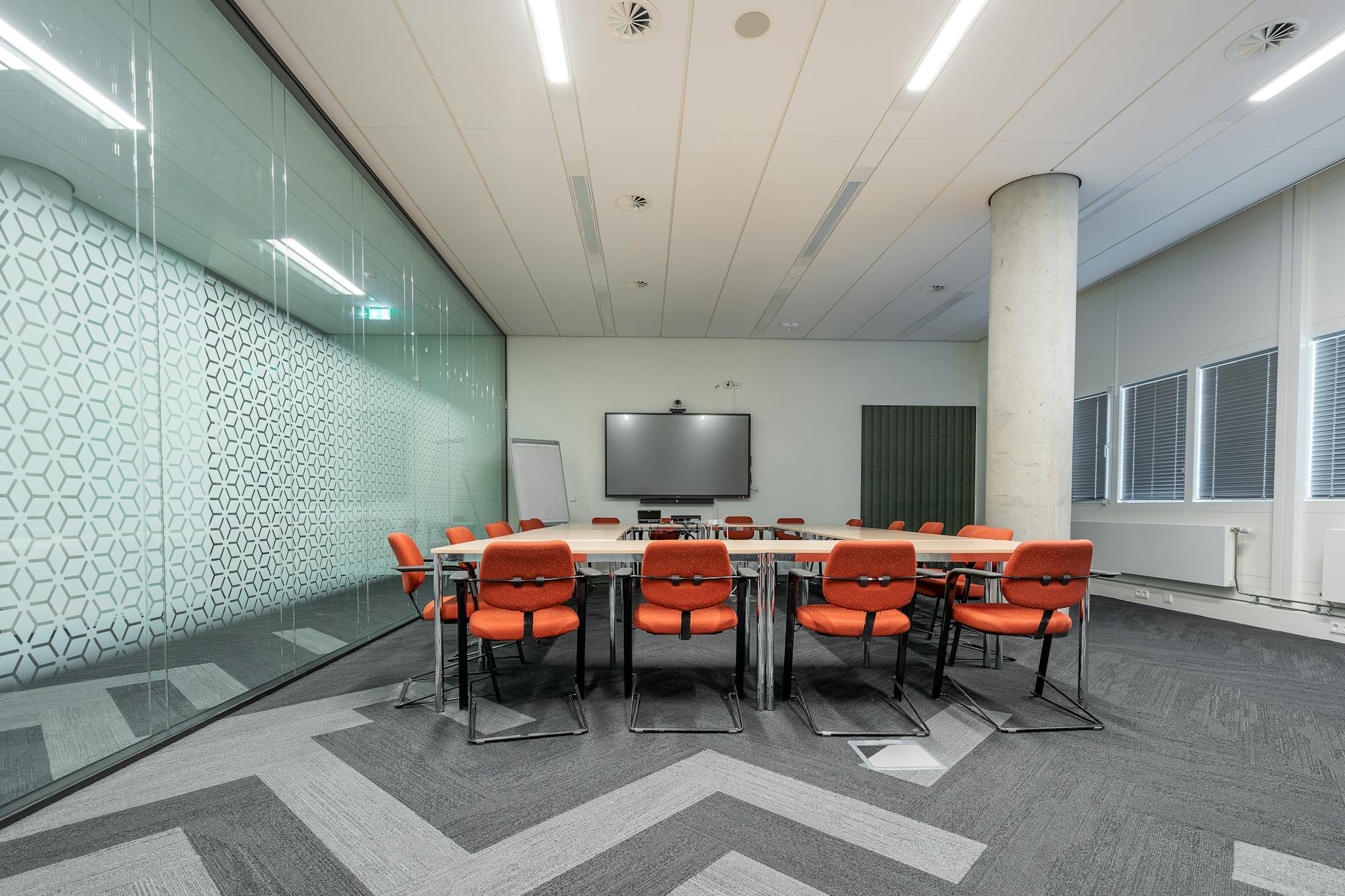
The institutional food service strategy represents a more realistic path forward for plant-based meat companies than the consumer retail gold rush that defined the industry’s early years. Rather than convincing individual shoppers to pay premium prices for products that don’t quite match their taste expectations, companies can focus on volume sales to professional buyers who evaluate products on broader operational and nutritional criteria.
Success in institutional markets could eventually create a pathway back to retail. As production volumes increase and costs decline, plant-based proteins developed for food service could become price-competitive for consumer markets. The institutional channel also provides valuable feedback on product performance and reformulation opportunities without the unforgiving scrutiny of retail consumers.
The pivot reflects a broader maturation of the alternative protein industry. Early evangelism about disrupting meat consumption is giving way to pragmatic business strategies focused on sustainable growth and profitability. Companies that successfully execute the institutional transition may find themselves better positioned for long-term success than those that continue chasing retail market share at unsustainable economics.
Frequently Asked Questions
Why are plant-based meat companies leaving retail?
High costs, declining sales, and intense competition have made retail markets challenging, with alternatives costing 50-100% more than traditional meat.
What institutional markets are plant-based companies targeting?
Universities, corporate cafeterias, hospitals, and school meal programs offer higher volumes and professional buyers focused on nutrition and sustainability.