




Maintenance crews at Delta Air Lines no longer fumble through thick paper manuals when servicing aircraft engines. Instead, they slip on augmented reality headsets that overlay digital instructions directly onto the equipment they’re repairing. What started as a pilot program has become a fleet-wide revolution across major airlines.
The aviation industry processes over 38,000 flights daily in the United States alone, each requiring meticulous maintenance procedures documented in manuals that can span thousands of pages. Airlines are discovering that AR technology doesn’t just digitize these processes-it transforms them entirely.
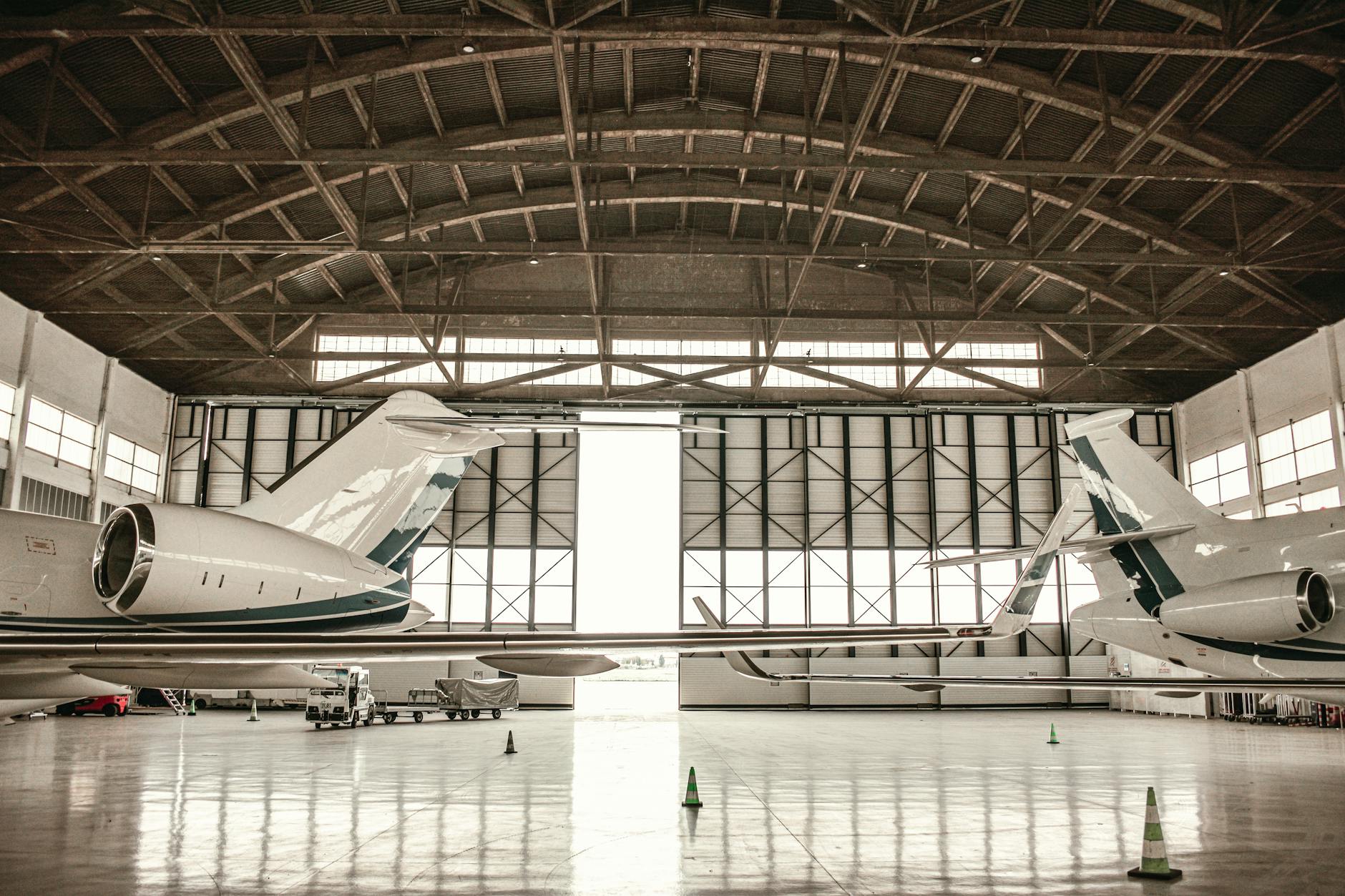
From Paper Mountains to Digital Precision
American Airlines began testing AR maintenance systems in 2022 after calculating that technicians spent nearly 30% of their time searching through documentation. The traditional approach required workers to constantly reference multiple manuals, cross-check part numbers, and verify procedures while keeping their hands free for actual repairs.
“We had technicians carrying around 40-pound bags of manuals for complex repairs,” says Maria Rodriguez, American’s Director of Maintenance Operations. “They’d spend more time flipping pages than turning wrenches.”
The AR solution projects step-by-step instructions directly into the technician’s field of view. When working on a hydraulic system, the headset identifies specific components through computer vision and highlights the exact bolts to remove, torque specifications, and safety protocols. Instead of looking away from their work to consult a manual, technicians see contextual information floating above the actual parts.
United Airlines reported a 25% reduction in maintenance time after implementing AR systems across their hub operations. The technology proves especially valuable for complex engine overhauls that previously required teams to coordinate between multiple technical documents and engineering drawings.
Training Revolution in the Hangar
The shift extends beyond routine maintenance into training programs that traditionally relied on classroom instruction and static diagrams. JetBlue Airways now uses AR to simulate maintenance scenarios without taking aircraft out of service.
New technicians practice procedures on virtual aircraft components that respond to their actions in real-time. The system tracks their performance, identifies common mistakes, and provides immediate feedback. This approach reduces training time from weeks to days while improving retention rates.
“We can simulate emergency scenarios that would be dangerous or impossible to recreate with real aircraft,” explains James Chen, JetBlue’s Training Director. “Trainees experience hydraulic failures, electrical malfunctions, and other critical situations in a completely safe environment.”
The technology also addresses the industry’s aging workforce challenge. As experienced mechanics retire, AR systems capture their knowledge in digital formats that can be shared with new hires. Senior technicians record their problem-solving approaches, which become interactive tutorials for future training programs.
Integration with Smart Manufacturing
Airlines are connecting AR maintenance systems with broader digital infrastructure initiatives. Southwest Airlines integrates their AR platform with inventory management, automatically ordering replacement parts when technicians identify components that need replacement.
The headsets communicate with aircraft sensors and maintenance databases, providing technicians with complete service histories and predictive maintenance alerts. When a technician approaches an engine, the AR system displays its flight hours, recent maintenance activities, and upcoming service requirements.
Apple’s Vision Pro has emerged as a leading platform for these corporate training applications, with several airlines adopting the device for both maintenance and pilot instruction programs.

This integration extends to quality control processes. AR systems photograph completed work and compare it against digital specifications, flagging potential errors before aircraft return to service. The technology creates digital records of every maintenance action, improving regulatory compliance and accident investigation capabilities.
Regulatory Approval and Safety Standards
The Federal Aviation Administration has developed new certification processes specifically for AR maintenance systems. Airlines must demonstrate that digital procedures meet the same accuracy standards as paper documentation while providing additional safety benefits.
Lufthansa Technik, one of the world’s largest aircraft maintenance providers, worked closely with European aviation authorities to establish AR certification standards. Their system underwent extensive testing to ensure technicians could access critical information even if the AR display failed.
“Safety remains paramount,” notes Dr. Sarah Mitchell, an aviation technology consultant. “AR systems must include multiple redundancies and fallback procedures. The technology enhances human capability but never replaces human judgment.”
Economic Impact and Future Expansion
Airlines investing in AR maintenance report significant cost savings beyond reduced labor time. Improved accuracy reduces rework and warranty claims, while better documentation helps optimize parts inventory and scheduling.
Alaska Airlines calculated that AR implementation saved them over 15,000 maintenance hours in the first year alone. The technology pays for itself through reduced aircraft downtime and improved operational efficiency.
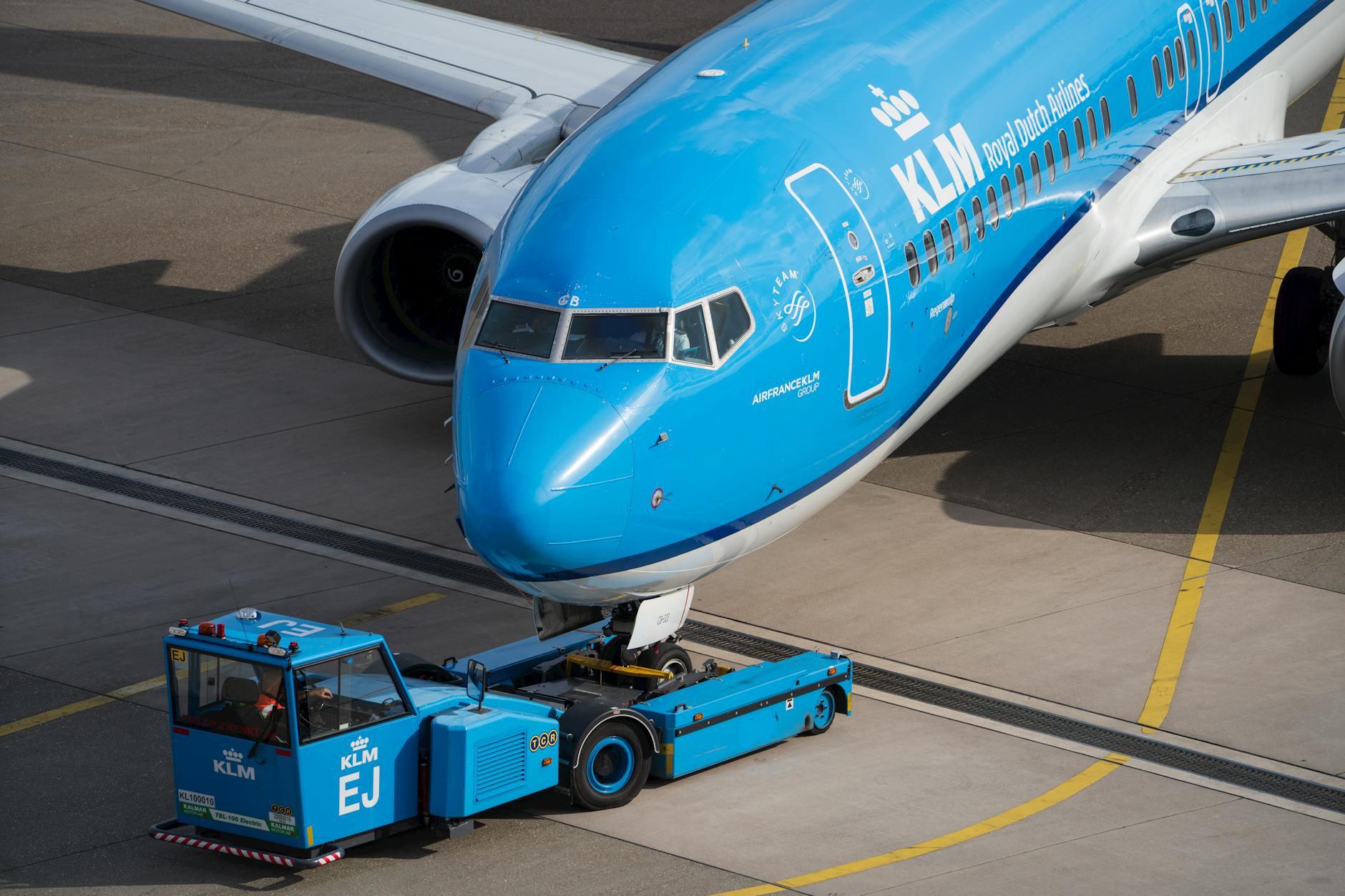
The next phase involves expanding AR applications to line maintenance performed at gates between flights. Technicians will use lightweight AR glasses for routine inspections, tire changes, and minor repairs while aircraft prepare for departure.
Several airlines are exploring AR applications for cabin crew training and passenger service. Flight attendants could use AR systems to access passenger information, meal preferences, and special assistance requirements without consulting traditional devices.
The aviation industry’s embrace of AR maintenance represents more than technological advancement-it signals a fundamental shift toward digitally-integrated operations. As airlines continue investing in these systems, the days of paper-heavy maintenance procedures are rapidly becoming history.
Within five years, industry analysts predict that AR-assisted maintenance will become standard practice across commercial aviation. The technology that once seemed futuristic is now reshaping how airlines keep their fleets safe, efficient, and airworthy.
Frequently Asked Questions
How do AR maintenance systems improve aircraft safety?
AR systems provide step-by-step visual guidance, reduce human error, and create digital records of all maintenance actions for better quality control and compliance.
Which airlines are currently using AR for maintenance?
Delta, American, United, JetBlue, and Southwest Airlines have all implemented AR maintenance programs, with more carriers adopting the technology rapidly.