





College students are ordering groceries at record rates, and startups are taking notice. What was once a niche market dominated by pizza delivery has exploded into a billion-dollar opportunity as students embrace everything from midnight snack runs to weekly grocery hauls through their phones.
The shift represents more than just convenience. For many students, grocery delivery has become essential infrastructure – as fundamental as campus WiFi or meal plans. Companies like Instacart, DoorDash, and newer players like Gopuff have identified college campuses as untapped goldmines, leading to aggressive expansion plans and campus-specific strategies that could reshape how students eat.
The timing isn’t coincidental. Student spending habits changed permanently during the pandemic, creating lasting demand that startups are now racing to capture.
The Perfect Storm of Student Demand
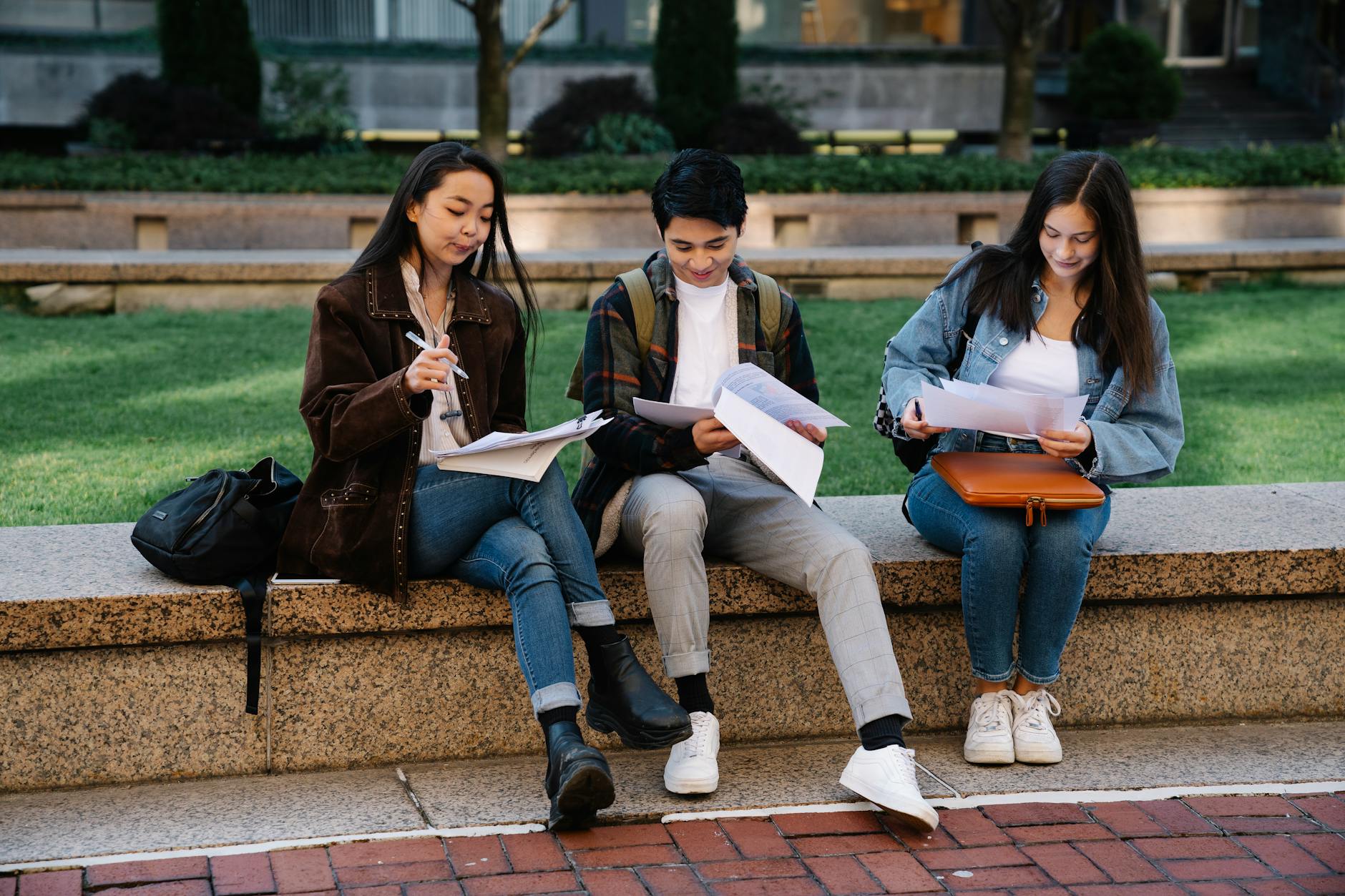
College campuses represent an ideal market for grocery delivery startups. Students live in dense, walkable areas with predictable schedules and limited transportation options. Many don’t own cars, making traditional grocery shopping challenging even when they want to venture beyond campus dining halls.
The numbers back up this opportunity. Students spend an average of $2,000 annually on food beyond meal plans, according to recent surveys. More importantly, they’re willing to pay delivery fees that often deter other demographics. When you’re juggling classes, work, and social commitments, the $3.99 delivery fee starts looking reasonable.
“Students are price-sensitive but time-sensitive,” explains retail analyst Sarah Chen. “They’ll pay for convenience, especially when it means not missing a study session or social event.”
The demographic advantages run deeper. College students are digital natives who adopted app-based services faster than any other group. They’re also creatures of habit – once they find a service that works, they stick with it. This loyalty extends beyond graduation, making college customers potentially valuable for decades.
Campus infrastructure supports this trend. Most universities now allow delivery drivers access to dormitories and academic buildings. Some schools have partnered directly with delivery services, integrating them into campus life through meal plan credits or student discount programs.
Startup Strategies: Beyond Basic Delivery
Smart startups aren’t just copying the standard grocery delivery model for college markets. They’re adapting their entire approach to student behavior patterns and preferences.
Timing has become crucial. Companies like Gopuff built their model around late-night delivery, recognizing that students often shop when traditional stores are closed. Their “instant needs” inventory – energy drinks, snacks, over-the-counter medications, and basic groceries – perfectly matches student purchasing patterns.
Inventory curation represents another key strategy. Instead of offering the full selection of a traditional grocery store, campus-focused services stock items students actually buy. Think ramen varieties, frozen meals, energy drinks, and cleaning supplies rather than elaborate cooking ingredients or bulk items that don’t fit dorm living.
Some startups are experimenting with group ordering features, allowing roommates or friends to combine orders and split delivery fees. Others offer subscription services tailored to academic calendars, with automatic deliveries that pause during winter break or finals week when students leave campus.
The most successful services also recognize that college students eat differently than families. Meal planning happens day-by-day rather than week-by-week. Students might order ingredients for dinner and then realize they need breakfast items the next morning. This pattern favors services that can deliver quickly and frequently rather than those optimized for large, weekly orders.
Competition Heats Up on Campus
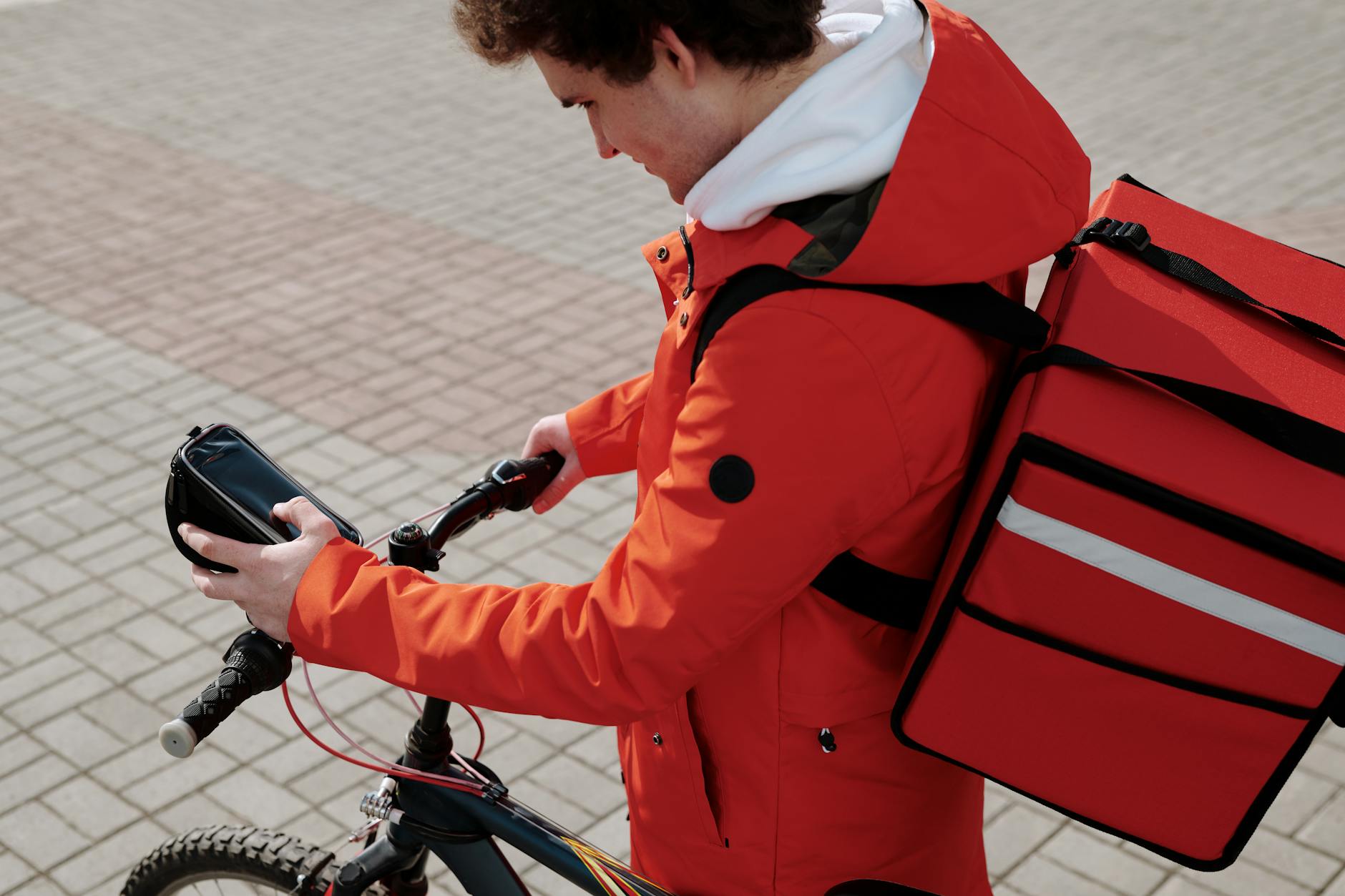
The college market has attracted players from across the delivery ecosystem. Established giants like Instacart and DoorDash are rolling out campus-specific features and partnerships. Meanwhile, specialized startups are building services designed exclusively for student markets.
Instacart launched campus partnerships that allow students to use dining dollars for grocery orders. The program started at a handful of schools but expanded rapidly as demand proved strong. Students can order from local grocery stores and have items delivered to their dorms, often within an hour.
DoorDash took a different approach, expanding beyond restaurant delivery to include convenience stores and pharmacies near college campuses. Their strategy recognizes that students often need items immediately rather than planning grocery trips in advance.
Newer entrants are taking more targeted approaches. Some focus exclusively on healthy meal ingredients, targeting health-conscious students who want to cook but lack transportation to grocery stores. Others specialize in bulk buying for fraternities and sororities, offering restaurant-quality ingredients at competitive prices.
The competitive landscape mirrors broader trends in food delivery, where companies are pivoting to grocery store partnerships to expand beyond traditional restaurant delivery.
Competition has driven innovation in delivery speed and convenience. Some services now offer 15-minute delivery for essential items, while others experiment with autonomous delivery robots on campus walkways. The race to provide faster, cheaper, more convenient service continues accelerating as more players enter the market.
Challenges and Market Realities
Despite the opportunity, grocery delivery on college campuses faces significant challenges. Seasonal demand creates major complications – business drops dramatically during summer breaks and winter holidays when students leave campus. This volatility makes financial planning difficult for startups that depend on consistent order volumes.
Delivery logistics on campus can be complex. Many universities restrict vehicle access to certain areas or during specific hours. Dormitory deliveries require coordination with residence hall staff and navigation of security protocols. Some schools require delivery personnel to check in at security desks, slowing down the delivery process.
Price sensitivity remains a constant challenge. Students may embrace convenience, but they also live on tight budgets. Services must balance delivery fees and markup with affordability. This pressure has led some companies to experiment with subscription models or partnerships with universities to subsidize costs.
The market also faces regulatory uncertainty. Some universities are reconsidering their relationships with delivery services due to concerns about campus safety, traffic congestion, or impacts on campus dining programs. Changes in university policies could significantly affect service accessibility.
Competition with existing campus infrastructure poses another challenge. Many universities have invested heavily in campus dining options, campus stores, and meal plan programs. Delivery services must demonstrate clear value beyond what students can already access on campus.

The Long-Term Campus Play
Forward-thinking startups view college campuses as more than just another market segment – they see them as training grounds for lifelong customers. Students who adopt grocery delivery habits in college often maintain them after graduation, providing a pipeline of loyal customers as they enter their highest-earning years.
This long-term perspective is driving investment in campus-specific infrastructure and partnerships. Some companies are establishing micro-fulfillment centers near major universities, reducing delivery times and costs while building permanent presence in college markets.
The successful campus strategies are likely to influence broader grocery delivery trends. Features developed for college students – like group ordering, flexible scheduling, and curated inventory – have applications in other markets. Urban professionals, busy families, and other demographics may benefit from innovations first tested on college campuses.
As the grocery delivery market matures, college campuses represent one of the few remaining high-growth opportunities. Students offer the perfect combination of high demand, digital adoption, and willingness to pay for convenience that makes delivery services profitable.
The companies that master college delivery will have advantages extending far beyond campus borders. They’ll understand how to serve customers who prioritize convenience over cost, how to build loyalty through digital experiences, and how to operate profitably in high-density, high-demand environments. These skills will prove valuable as grocery delivery expands into new markets and customer segments.
College campuses aren’t just the next frontier for grocery delivery – they’re becoming the testing ground for the future of how Americans shop for food.
Frequently Asked Questions
Why are college students ideal customers for grocery delivery?
Students live in dense areas with limited transportation, are willing to pay for convenience, and quickly adopt new digital services.
What challenges do delivery services face on college campuses?
Seasonal demand fluctuations, complex campus logistics, price-sensitive customers, and competition with existing campus dining options.