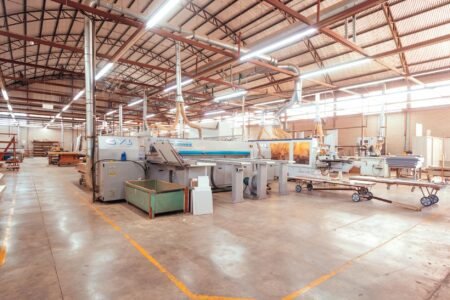





The server room hummed 150 feet beneath a former limestone mine in Missouri, where rows of servers processed data in near-perfect conditions. No risk of flooding, consistent temperatures year-round, and virtually unlimited space for expansion. This underground facility represents a growing trend among edge computing companies seeking alternatives to traditional above-ground data centers.
Edge computing startups across the country are discovering that going underground offers compelling advantages over conventional facilities. From converted mines to purpose-built subterranean installations, these companies are literally digging deeper to solve modern infrastructure challenges.
The shift reflects broader pressures facing the data center industry: skyrocketing real estate costs, climate concerns, and the need for facilities closer to end users. Underground locations provide natural cooling, enhanced security, and protection from extreme weather events that increasingly threaten surface infrastructure.
Natural Climate Control Drives Cost Savings
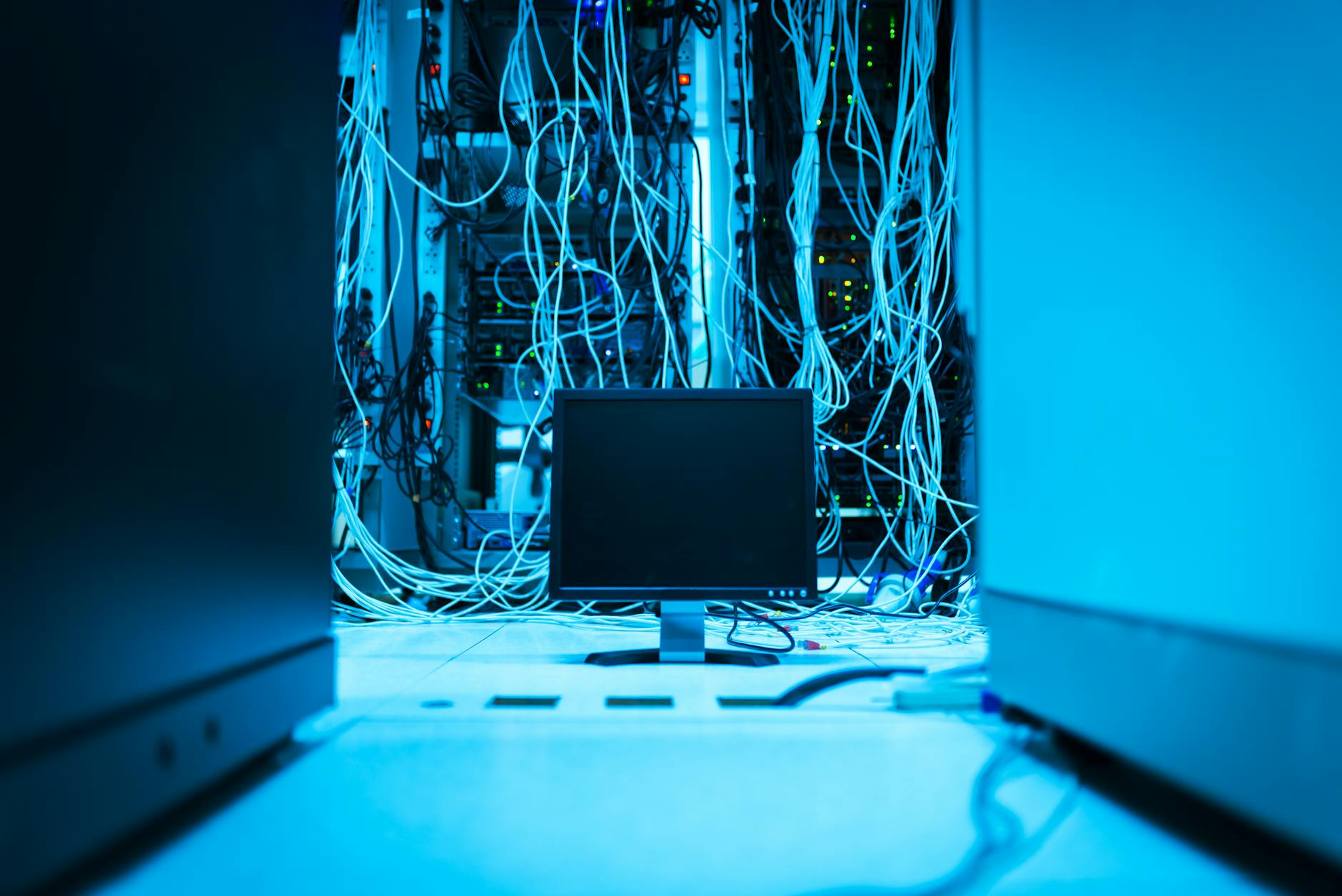
Underground data centers leverage the earth’s natural temperature stability, maintaining consistent conditions without massive cooling systems. Traditional data centers spend roughly 40% of their energy budget on cooling equipment, making temperature management one of the largest operational expenses.
Companies like Underground Data Centers have converted former limestone mines into server facilities that maintain steady temperatures between 60-70 degrees Fahrenheit year-round. The natural insulation eliminates the need for extensive HVAC systems, reducing both capital expenditure and ongoing energy costs.
“We’re seeing 30-40% energy savings compared to surface facilities,” explains industry analyst Sarah Chen from Infrastructure Research Group. “The natural thermal mass of underground spaces provides free cooling that traditional data centers pay millions to achieve artificially.”
Several edge computing startups have recognized this advantage for latency-sensitive applications. By placing compute resources underground in metropolitan areas, they can serve local users with minimal delay while benefiting from reduced operational costs. The combination allows these companies to offer competitive pricing while maintaining healthy margins.
Security and Resilience Benefits
Underground facilities provide inherent physical security advantages that appeal to enterprises handling sensitive data. The natural barriers make unauthorized access extremely difficult, while the protected environment shields equipment from various threats.
Weather resilience has become increasingly important as climate events threaten surface infrastructure. Hurricane damage, flooding, and extreme temperature fluctuations can knock traditional data centers offline for extended periods. Underground facilities remain largely unaffected by surface weather conditions.
The security benefits extend beyond physical protection. Underground locations typically have fewer electromagnetic interference issues, providing cleaner operating environments for sensitive computing equipment. This becomes particularly valuable for edge computing applications requiring reliable, low-latency connections.

Several major corporations have already moved critical operations underground. Financial institutions value the enhanced security for trading systems, while healthcare organizations use underground facilities for protected health information storage. The trend appears strongest among companies processing real-time data that cannot tolerate service interruptions.
Real Estate Arbitrage and Urban Proximity
Underground space often costs significantly less than premium urban real estate, creating attractive economics for edge computing companies. While surface land in major metropolitan areas commands premium prices, subterranean space frequently remains underutilized and available at substantial discounts.
This cost advantage allows edge computing providers to establish presence in high-value markets without paying surface real estate premiums. The proximity to users remains crucial for edge computing applications, where milliseconds of latency can impact user experience or application performance.
Former mining sites offer particularly attractive opportunities, with existing excavation and infrastructure reducing development costs. These locations often include power systems, ventilation, and access roads that can be adapted for data center use. The conversion process typically costs less than building equivalent surface facilities.
Urban underground development presents additional opportunities. Some companies are exploring partnerships with subway systems, parking garages, and basement spaces to establish edge computing nodes throughout metropolitan areas. This distributed approach aligns well with edge computing’s goal of bringing computation closer to users.
Infrastructure Challenges and Solutions
Despite the advantages, underground data centers face unique infrastructure requirements. Power delivery, network connectivity, and emergency access all require specialized planning and equipment. However, innovative companies are developing solutions that make underground deployment increasingly viable.
Fiber optic connectivity has become more feasible with advances in drilling and cable installation technology. Many underground facilities now achieve connectivity speeds matching or exceeding surface alternatives. The protected environment actually benefits fiber installations by reducing exposure to construction damage and weather-related outages.
Power infrastructure requires careful design but offers opportunities for renewable integration. Some underground facilities incorporate geothermal systems for additional energy efficiency. Others partner with utility companies to install dedicated power feeds that bypass surface distribution networks, improving reliability.
Future Growth and Industry Adoption
The underground data center trend appears positioned for significant expansion as more companies recognize the operational benefits. Industry projections suggest underground facilities could capture 15-20% of new data center construction within the next five years.
Edge computing’s growth trajectory supports this expansion, as companies seek distributed infrastructure solutions that balance cost, performance, and reliability. Underground locations check all these boxes while offering unique advantages difficult to replicate in surface facilities.
Similar to how vertical farming companies are moving into abandoned shopping malls, the data center industry is discovering value in unconventional real estate. Both trends reflect broader shifts toward more efficient and sustainable use of existing infrastructure.
Major cloud providers are reportedly evaluating underground options for regional expansion, which could accelerate adoption across the industry. As these large players validate the model, smaller edge computing companies will likely find increased investor support for underground projects.
The convergence of climate concerns, security requirements, and cost pressures creates a compelling case for underground data centers. Companies that move early on this trend may establish significant competitive advantages in the growing edge computing market.
Frequently Asked Questions
Why are data centers moving underground?
Underground locations provide natural cooling, enhanced security, weather protection, and lower real estate costs compared to surface facilities.
How much energy do underground data centers save?
Underground facilities typically achieve 30-40% energy savings through natural temperature control and reduced cooling requirements.