





Small manufacturers across America are discovering they no longer need to rely on handshake deals and decades-old supplier relationships to source materials and components. A new wave of B2B marketplace startups is digitizing the traditionally analog world of industrial procurement, promising faster transactions, better pricing, and access to global supplier networks that were previously out of reach for companies with limited purchasing power.
The shift represents a fundamental change in how small and medium-sized manufacturers operate. Where once a machine shop owner might spend hours on the phone tracking down specialty steel or a specific bearing, digital platforms now offer instant quotes, verified suppliers, and streamlined ordering processes. This transformation is attracting significant venture capital attention, with investors betting that industrial procurement will follow the same digitization path as consumer retail.
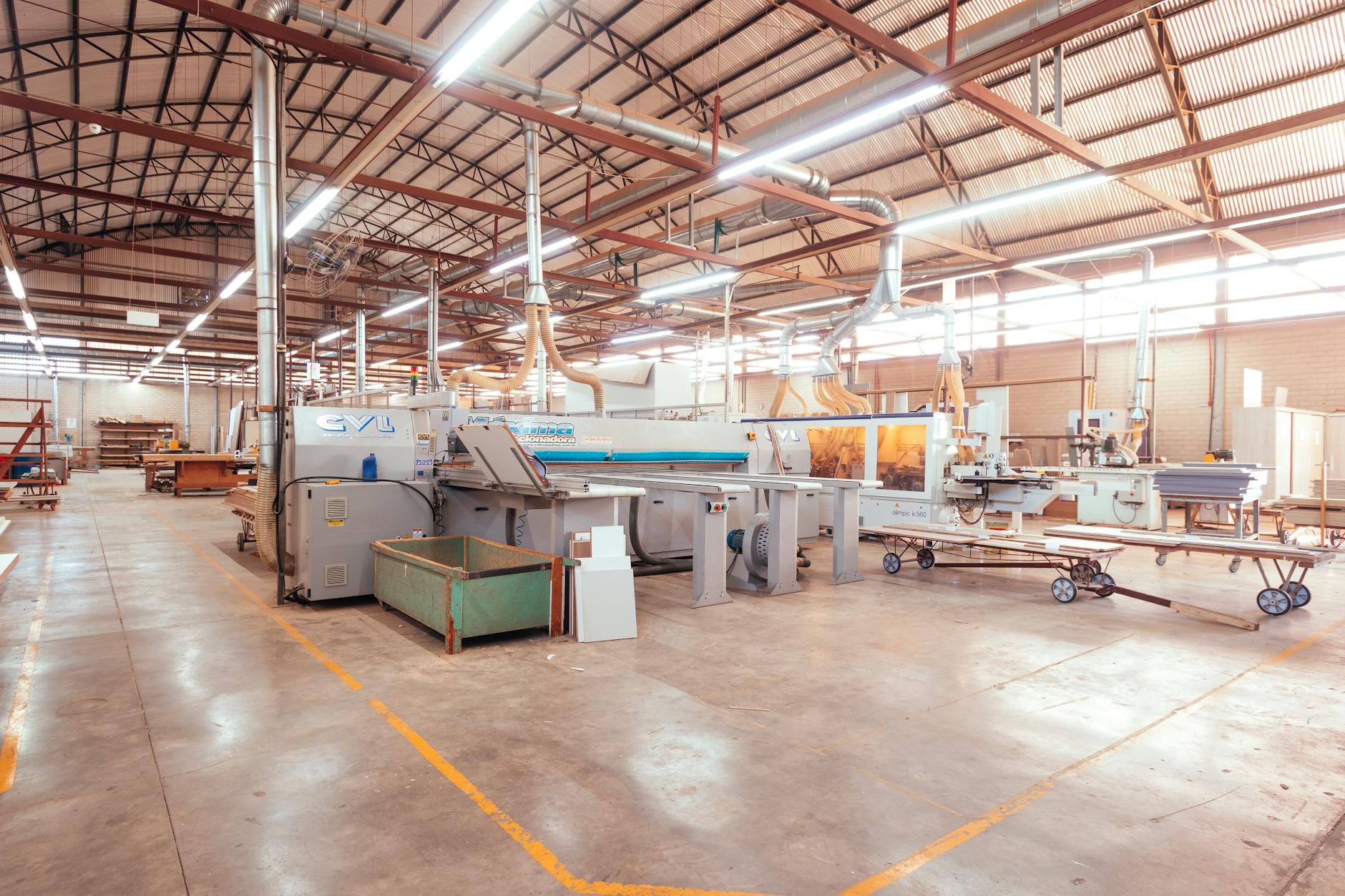
The Digital Disruption of Industrial Purchasing
Traditional B2B purchasing in manufacturing has remained largely unchanged for decades. Small manufacturers typically work with a handful of trusted suppliers, place orders over the phone or via email, and rely on personal relationships built over years. This system works but creates inefficiencies: limited supplier options, opaque pricing, lengthy procurement cycles, and difficulty scaling operations.
Enter startups like ThomasNet’s marketplace evolution, where buyers can instantly connect with thousands of verified suppliers. Similar platforms are emerging across specific verticals – from metal fabrication to electronic components to industrial chemicals. These marketplaces leverage technology to solve age-old problems: price discovery, supplier verification, quality assurance, and logistics coordination.
The timing is right for this disruption. Small manufacturers increasingly need the same operational efficiency as larger competitors to remain viable. Supply chain disruptions during the pandemic highlighted the risks of over-reliance on limited supplier networks. Meanwhile, a new generation of business owners, more comfortable with digital tools, is taking over family manufacturing businesses and seeking modern solutions.
Specialized Platforms Targeting Niche Markets
Rather than building broad, horizontal marketplaces, many successful B2B startups focus on specific manufacturing niches. This specialization allows them to understand unique industry requirements, build relevant features, and establish credibility within tight-knit manufacturing communities.
Metalworking represents one of the largest opportunities. Platforms connecting machine shops with metal suppliers must handle complex specifications: alloy compositions, heat treatments, dimensional tolerances, and certifications. Success requires deep industry knowledge and the ability to digitize traditionally complex purchasing decisions.
Electronics manufacturing presents different challenges. Component procurement involves managing obsolescence, counterfeit parts, and supply chain traceability. Startups in this space often integrate inventory management tools, helping manufacturers track components across multiple projects while maintaining compliance with industry standards.
Chemical and materials procurement adds another layer of complexity. Regulatory compliance, hazardous materials handling, and quality certifications require specialized platforms that understand both procurement and regulatory requirements. These marketplaces often provide additional services like regulatory consulting and quality assurance.

The most successful platforms don’t just facilitate transactions – they become integral to their customers’ operations. This might include inventory management, demand forecasting, or integration with existing ERP systems. By embedding themselves deeply into manufacturing workflows, these startups create switching costs that protect their market position.
Overcoming Traditional Manufacturing Resistance
Manufacturing is notoriously resistant to change, particularly among smaller companies where personal relationships drive business decisions. B2B marketplace startups must overcome decades of ingrained purchasing habits and prove their value beyond simple cost savings.
Trust building is crucial. Small manufacturers often work with critical components where quality failures can shut down production lines or damage customer relationships. Successful marketplaces invest heavily in supplier verification, quality assurance programs, and customer support. They understand that one bad experience can damage relationships built over months.
Many startups begin by targeting younger business owners or companies already experiencing growth pressures. These manufacturers are more likely to experiment with new solutions and have greater urgency around operational efficiency. Success with early adopters creates case studies and references that help convince more traditional manufacturers.
Integration capabilities often determine adoption success. Small manufacturers can’t afford to overhaul existing systems for a new procurement platform. Successful startups either integrate with popular manufacturing software or provide simple, parallel workflows that don’t disrupt existing operations.
Payment terms and financing options also matter significantly. Traditional suppliers often provide 30, 60, or 90-day payment terms that help manufacturers manage cash flow. B2B marketplaces must offer comparable or better terms, sometimes by partnering with fintech companies or providing their own financing solutions.
The Investment Opportunity and Market Dynamics
Venture capital firms increasingly view B2B manufacturing marketplaces as compelling investment opportunities. The total addressable market is massive – small and medium manufacturers represent hundreds of billions in annual procurement spending. Unlike consumer marketplaces, B2B platforms often enjoy higher transaction values, recurring purchasing patterns, and the potential for additional service revenue.
The competitive landscape varies significantly by vertical. Some sectors have established incumbents with strong supplier relationships, while others remain largely analog and ripe for disruption. First-mover advantage can be significant, particularly in specialized niches where network effects create barriers to entry.

However, building successful B2B marketplaces requires substantial capital and patience. Unlike consumer platforms that can achieve rapid user growth through marketing, industrial marketplaces must carefully build both supply and demand sides simultaneously. This chicken-and-egg problem often requires years of relationship building and direct sales efforts.
The most successful startups often begin by focusing on a specific geographic region or product category, then expand methodically. This approach allows them to perfect their model and build strong unit economics before scaling broadly. Some follow the playbook established by YC alumni building specialized platforms in emerging markets, adapting proven models to specific manufacturing verticals.
International expansion presents additional opportunities, as manufacturing remains heavily localized in many regions. Platforms that successfully serve American small manufacturers can potentially replicate their model in Europe, Latin America, or Asia, though each market requires understanding of local regulations, business practices, and supplier networks.
The next few years will likely see continued consolidation in this space, as successful platforms acquire smaller competitors or expand into adjacent markets. The winners will be those that move beyond simple transaction facilitation to become essential operational infrastructure for their customers – combining procurement, inventory management, financing, and logistics into comprehensive solutions that small manufacturers can’t easily replace.
As manufacturing continues to digitize and younger business owners prioritize operational efficiency over traditional relationships, B2B marketplace startups are positioned to capture an increasing share of industrial procurement spending. The question isn’t whether this transformation will happen, but which platforms will emerge as the dominant players in each manufacturing vertical.
Frequently Asked Questions
Why are B2B marketplaces targeting small manufacturers now?
Small manufacturers need operational efficiency to compete, plus supply chain disruptions highlighted risks of limited supplier networks.
What challenges do B2B manufacturing marketplaces face?
Building trust in quality-critical industries, overcoming resistance to change, and solving the chicken-and-egg problem of building supply and demand simultaneously.