





The podcast revolution just hit fast-forward. While traditional creators spend hours editing audio and crafting perfect scripts, a new wave of independent podcasters is launching shows in minutes using artificial intelligence. These AI-powered tools are reshaping how content gets made, who gets to make it, and what audiences expect to hear.
Sarah Chen launched her daily tech news podcast three months ago without any audio editing experience. Using AI voice generation and automated script writing, she publishes episodes before her morning coffee. “I tried traditional podcasting for years but never had time for the production work,” Chen explains. “Now I focus on research and let AI handle everything else.”
Chen represents a growing movement of creators who are bypassing traditional production barriers. Platforms like Spotify’s acquisition of Speechify, along with tools from Descript and Resemble AI, have democratized podcast creation to an unprecedented degree.

The Technology Behind the Boom
AI podcasting tools now handle everything from script generation to voice synthesis to audio mastering. Eleven Labs offers voice cloning that can replicate a creator’s speaking style from just minutes of sample audio. Meanwhile, platforms like Podcastle and Riverside are integrating AI editing features that automatically remove filler words, adjust audio levels, and even suggest content improvements.
The technical capabilities have advanced rapidly. Current AI models can generate natural-sounding conversations, adapt speaking pace for different topics, and even simulate emotional inflection. Some creators are experimenting with AI co-hosts that can engage in seemingly spontaneous dialogue about predetermined topics.
“The quality jumped dramatically in the past year,” says Marcus Rodriguez, who runs three AI-generated podcasts about finance, fitness, and film reviews. “Early AI voices sounded robotic, but now my audience often doesn’t realize they’re not hearing my actual voice.”
The process has become remarkably streamlined. Creators input topic briefs, select voice parameters, and receive finished episodes within hours. Some platforms offer templates for different podcast formats: interview-style shows, news roundups, educational content, or narrative storytelling.
Independent Creators Lead the Charge
Traditional media companies remain cautious about AI-generated content, but independent creators are embracing it enthusiastically. The barriers to entry have essentially disappeared – no expensive equipment, no audio engineering knowledge, no time-intensive editing workflows.
This democratization mirrors broader trends in content creation. Just as social media platforms enabled anyone to become a video creator, AI tools are opening podcasting to creators who previously lacked technical skills or resources.

The numbers reflect this shift. Podcast hosting platform Anchor reports a 300% increase in new shows launched using AI tools over the past six months. Many of these creators produce daily content that would have been impossible under traditional production methods.
Independent creators are also experimenting with formats that leverage AI capabilities. Some produce multilingual versions of episodes automatically, while others create personalized content for niche audiences. The speed of production allows for highly topical content that responds to news cycles within hours.
The economic appeal is significant. Traditional podcast production can cost hundreds of dollars per episode when factoring in editing time, equipment, and hosting. AI-generated podcasts reduce these costs to subscription fees for software platforms, typically under fifty dollars monthly.
Audience Reception and Quality Concerns
Listener responses vary dramatically. Some audiences appreciate the consistency and frequent publishing schedules that AI enables. Others report feeling disconnected from obviously artificial content, preferring the imperfections and personality of human-created shows.
Quality remains inconsistent across AI podcast tools. While voice synthesis has improved significantly, AI-generated scripts sometimes lack the nuanced understanding of complex topics that experienced creators provide. The technology excels at straightforward informational content but struggles with nuanced commentary or emotional storytelling.
Disclosure practices are still evolving. Some creators are transparent about their AI usage, while others don’t mention it at all. Podcast platforms are beginning to develop labeling systems for AI-generated content, though implementation remains inconsistent.
The authenticity question looms large. Podcasting’s appeal has traditionally centered on intimate, personal connections between creators and audiences. AI-generated content challenges this dynamic, though some listeners report feeling equally engaged with well-produced AI shows.
Platform Response and Industry Impact
Major podcast platforms are adapting quickly to this trend. Spotify has invested heavily in AI audio technology through acquisitions and internal development. Apple Podcasts recently updated its creator guidelines to address AI-generated content, requiring disclosure for fully automated shows.
The traditional podcast advertising model faces potential disruption. Advertisers value the personal endorsement aspect of podcast ads, which AI-generated content can’t authentically provide. However, programmatic advertising systems are adapting to work with AI-created shows, focusing on content relevance rather than creator endorsement.
This transformation connects to broader shifts in digital content creation, where AI tools are becoming standard across industries. Similar to how voice-controlled smart kitchens are replacing traditional cooking methods, AI is automating creative processes that once required extensive human skill and time investment.
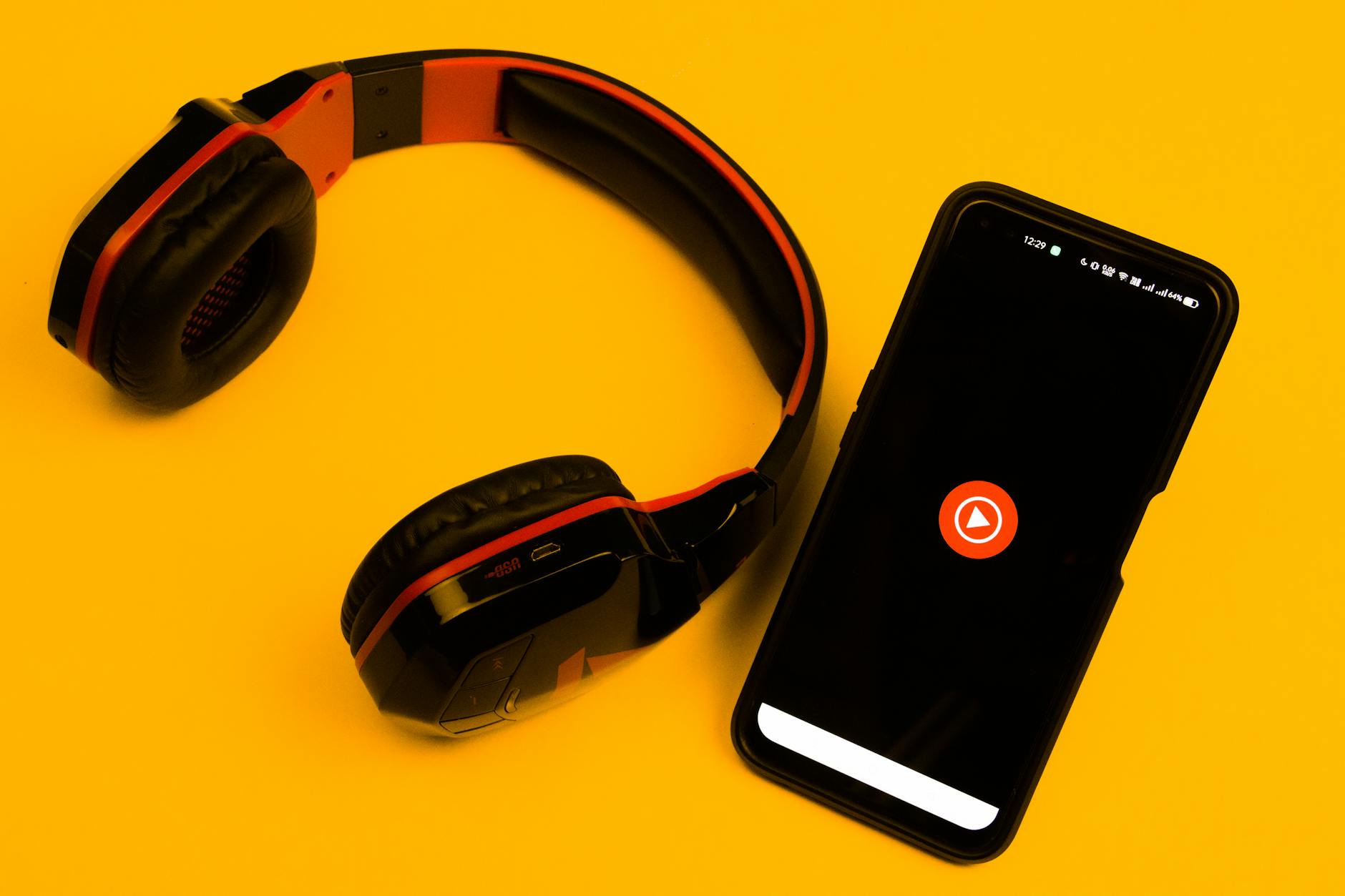
The rise of AI podcasting represents more than a technological advancement – it’s a fundamental shift in who gets to participate in audio content creation. As these tools become more sophisticated and accessible, the podcast landscape will likely see an explosion of niche content, hyperlocal shows, and experimental formats that would be economically unfeasible under traditional production models.
The next year will determine whether AI-generated podcasts complement or compete with traditional creators. What’s certain is that the barrier between having an idea for a podcast and actually producing one has essentially disappeared, opening the medium to voices that might never have been heard otherwise.
Frequently Asked Questions
How do AI podcast tools work for creators?
AI tools handle script generation, voice synthesis, and audio editing automatically, allowing creators to produce episodes in minutes without technical skills.
Do listeners know when podcasts are AI-generated?
Disclosure practices vary – some creators are transparent about AI usage while others don’t mention it, though platforms are developing labeling systems.