





Meta’s aggressive push into virtual reality fitness is creating serious competition for Peloton’s home workout empire. The tech giant’s Quest platform now hosts dozens of immersive fitness experiences that transport users from their living rooms to mountaintops, boxing rings, and dance studios around the world. While Peloton built its business on premium hardware and celebrity instructors, Meta is betting that virtual worlds will be the next frontier in home fitness.
The timing couldn’t be better for Meta’s fitness ambitions. Peloton’s stock has tumbled from pandemic highs as consumers return to gyms and question the value of expensive subscription bikes. Meanwhile, VR headset adoption has accelerated, with Meta’s Quest devices becoming mainstream entertainment products rather than niche gaming accessories.
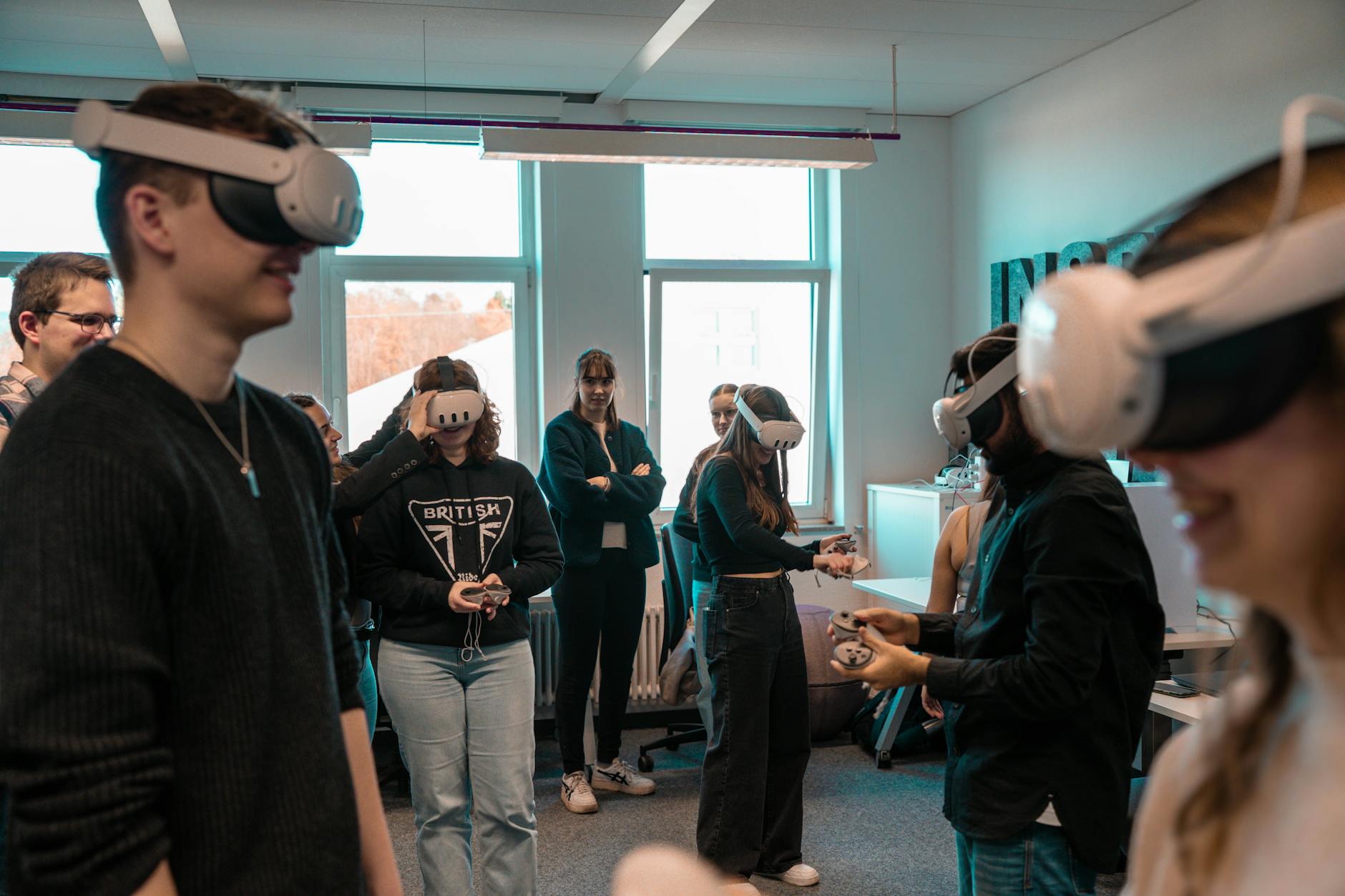
Virtual Workouts Go Beyond Traditional Cycling
Meta’s fitness ecosystem spans genres that Peloton can’t easily replicate. Apps like Supernatural blend cardio workouts with stunning 360-degree environments, letting users swing virtual clubs while standing atop glaciers or inside ancient temples. FitXR offers boxing and dance classes in multiplayer rooms where friends can work out together despite being continents apart.
The variety extends to niche activities impossible in traditional home gyms. Climb 2 simulates rock climbing on famous mountains worldwide. Pistol Whip combines rhythm games with full-body movement. Even meditation apps like Guided Tai Chi transport users to serene virtual locations that beat staring at a wall mirror.
This breadth matters because fitness preferences vary dramatically among consumers. While Peloton excels at cycling and recently added strength training, its hardware limits workout variety. Meta’s approach treats the entire body as an input device, tracking hand movements, head position, and room-scale motion to create more dynamic experiences.
Early adopters report higher engagement rates with VR fitness compared to traditional home equipment. The gamification elements-scoring systems, virtual achievements, and fantastical environments-tap into psychological motivators that standard workout videos struggle to match. Users describe feeling transported rather than trapped in their homes during exercise sessions.
Social Features Target Peloton’s Community Strength
Community has always been Peloton’s secret weapon, with live leaderboards and social features creating accountability among users. Meta is directly challenging this advantage through multiplayer VR experiences that feel more intimate than video screens.
In apps like FitXR, users appear as customizable avatars working out alongside friends and strangers in shared virtual spaces. The spatial audio technology-similar to innovations we’ve seen in Discord’s gaming communication features-makes conversations feel natural during cooldown periods. Users report forming genuine friendships with workout partners they’ve never met in person.

The social dynamics differ significantly from Peloton’s model. Rather than competing against faceless usernames on leaderboards, VR users see and interact with virtual representations of other people. They can high-five teammates after completing challenging sequences or offer encouragement during difficult movements. Some apps even include virtual personal trainers who provide real-time feedback on form and technique.
Meta’s multiplayer approach also solves scheduling challenges that plague live fitness classes. Users can join workout sessions throughout the day rather than being tied to specific broadcast times. The asynchronous social features let people work out with friends across different time zones, expanding the potential community beyond geographic limitations.
This social infrastructure positions Meta to capture younger demographics who grew up gaming online. While Peloton appeals primarily to affluent millennials and Gen X consumers, VR fitness attracts teenagers and young adults comfortable with virtual social interactions.
Technical Advantages and Market Positioning
Meta’s hardware strategy contrasts sharply with Peloton’s premium approach. Quest headsets cost significantly less than Peloton bikes while offering access to hundreds of fitness apps and games. The company has also improved battery life and reduced headset weight, addressing early complaints about comfort during extended workouts.
The content delivery model favors Meta as well. While Peloton produces expensive studio classes with celebrity instructors, VR fitness apps can generate infinite workout variations through procedural content and AI-driven music selection. This scalability allows for lower subscription prices and more personalized experiences.
Meta is also leveraging its broader technology ecosystem in ways Peloton cannot match. The company’s AI research helps optimize workout difficulty based on user performance data. Integration with Facebook and Instagram allows users to share achievements with existing social networks. The upcoming AR features could eventually blend virtual workouts with real-world environments.
However, technical limitations still constrain VR fitness adoption. Headsets can cause motion sickness for some users, particularly during intense cardio sessions. The technology requires more setup than simply hopping on a stationary bike. Battery life, while improved, still limits workout duration compared to plugged-in equipment.
Despite these challenges, the trajectory favors VR fitness. As corporate training programs adopt immersive technologies, consumer comfort with VR will increase. Hardware improvements continue reducing barriers to entry.
The Future of Home Fitness Competition
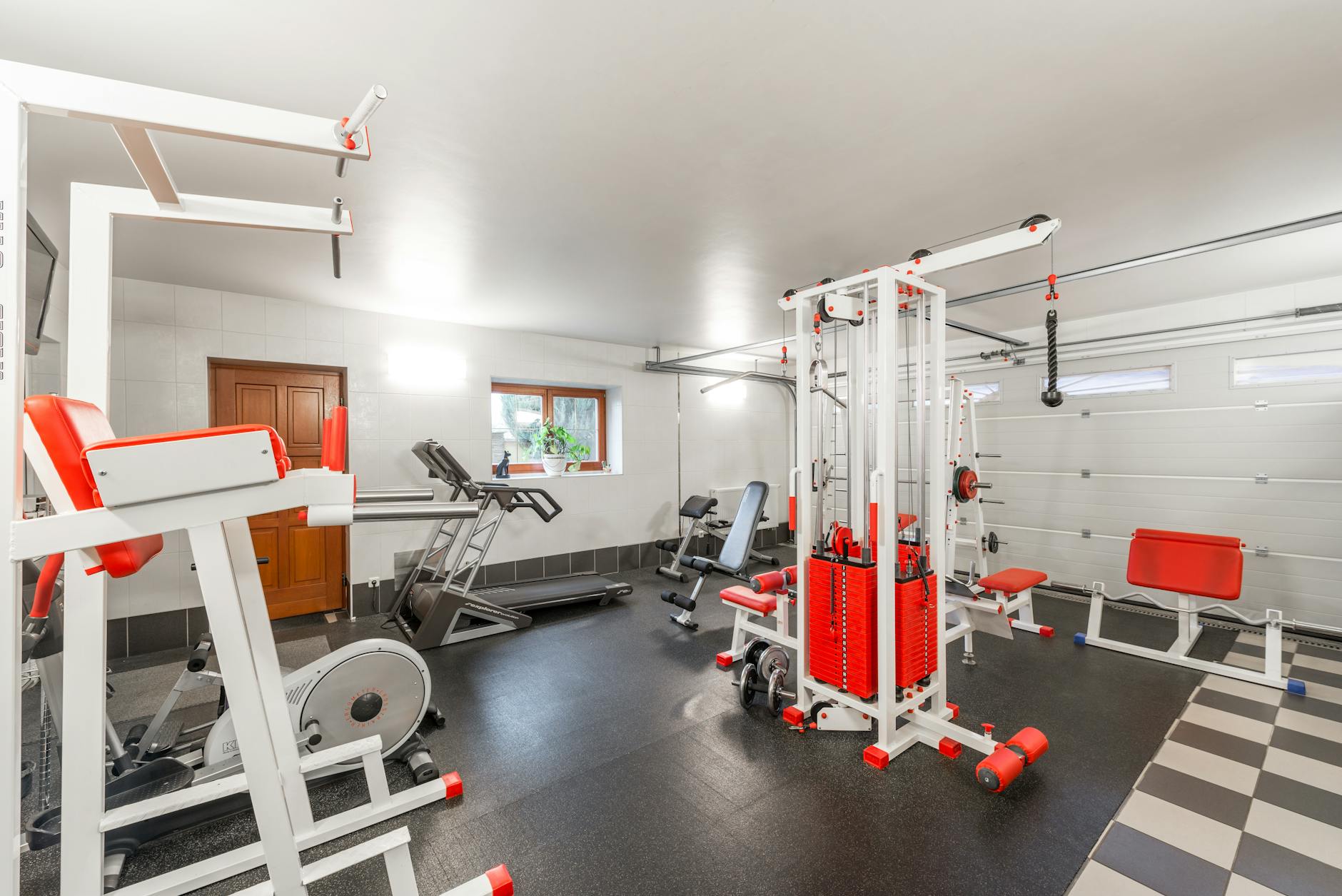
Peloton isn’t ignoring the VR threat. The company has experimented with virtual reality partnerships and could potentially develop its own immersive experiences. However, Meta’s head start in consumer VR hardware and software development creates significant competitive advantages that won’t be easily overcome.
The broader home fitness market has room for multiple winners, but the battle lines are becoming clearer. Peloton will likely maintain its premium position among consumers who prefer traditional exercise equipment and professional instruction. Meta is positioning itself as the platform for experiential fitness that feels more like entertainment than obligation.
Market analysts suggest the winner won’t be determined by technology alone but by content quality and community building. Both companies understand that fitness motivation comes from human connection and personal achievement, not just hardware specifications. The question is whether virtual relationships can match the intensity of Peloton’s real-world instructor model.
As VR fitness matures, we’ll likely see hybrid approaches combining physical equipment with virtual environments. The ultimate home gym might include both traditional tools and immersive technologies, giving users flexibility to choose their preferred workout style based on mood, available time, and fitness goals. Meta’s early investment in this convergence could pay dividends as the entire industry evolves beyond current limitations.
Frequently Asked Questions
How do VR fitness apps compare to Peloton workouts?
VR fitness offers more workout variety and immersive environments, while Peloton focuses on premium cycling and strength training with celebrity instructors.
What equipment do you need for Meta’s VR fitness apps?
You need a Meta Quest VR headset and enough room space to move around safely during workouts.