




Software developers are rewriting their entire workflow around a single tool that arrived with little fanfare but explosive impact. OpenAI’s latest GPT model isn’t just helping programmers debug code faster – it’s fundamentally changing how software gets built, tested, and deployed across the industry.
The transformation started quietly in developer forums and Slack channels. Programmers began sharing screenshots of code generated in minutes that would have taken hours to write manually. But the real shift became apparent when major tech companies started restructuring their development teams around AI-assisted coding practices. Google, Microsoft, and Amazon have all reported significant productivity gains, with some teams shipping features twice as fast as before.
This isn’t another incremental AI improvement. The latest GPT model represents a quantum leap in code comprehension and generation capabilities, forcing the entire software industry to rethink fundamental assumptions about how applications get built.
Code Generation Reaches Production Quality
The breakthrough lies in the model’s ability to understand context across entire codebases rather than just individual functions. Previous AI coding assistants could suggest line completions or simple functions, but they often missed the broader architecture patterns that make software maintainable.
The new GPT model changes this dynamic entirely. Developers report that it can analyze existing code repositories, understand the established patterns and conventions, then generate new features that seamlessly integrate with the existing architecture. This means less time refactoring AI-generated code and more time focusing on higher-level design decisions.
Stack Overflow traffic has dropped measurably as developers increasingly turn to AI for immediate answers rather than browsing community forums. The shift is so pronounced that several major programming tutorial sites have pivoted to teaching “AI-assisted development” rather than traditional coding approaches.
Real-world deployment stories paint a compelling picture. A fintech startup in San Francisco reduced their feature development cycle from six weeks to two weeks by integrating GPT-based code generation into their workflow. An e-commerce platform eliminated their entire backlog of technical debt tickets after the AI model suggested comprehensive refactoring approaches they hadn’t considered.
The model excels particularly at understanding modern frameworks like React, Vue, and Angular for frontend development, while also demonstrating sophisticated knowledge of backend technologies including Node.js, Python Flask, and Go microservices. This breadth of knowledge allows development teams to maintain consistency across full-stack projects without requiring specialists for each technology.
Testing and Debugging Revolution
Perhaps more impressive than code generation is the model’s testing capabilities. Traditional test-driven development required developers to write comprehensive test suites manually – a time-consuming process that many teams skipped under deadline pressure. The new GPT model automatically generates unit tests, integration tests, and even end-to-end testing scenarios based on the code it analyzes.
The AI doesn’t just create basic happy-path tests. It identifies edge cases, potential security vulnerabilities, and performance bottlenecks that human developers commonly miss. A mobile app development team in Austin discovered seventeen critical bugs in their payment processing system after running GPT-generated tests – issues that had existed undetected for months in production.
Debug sessions have transformed from hour-long detective work into rapid-fire problem resolution. Developers paste error logs and stack traces into the AI interface, receiving not just explanations of what went wrong, but specific suggestions for fixes along with the exact code changes needed. The model understands common antipatterns and can suggest architectural improvements to prevent similar issues.
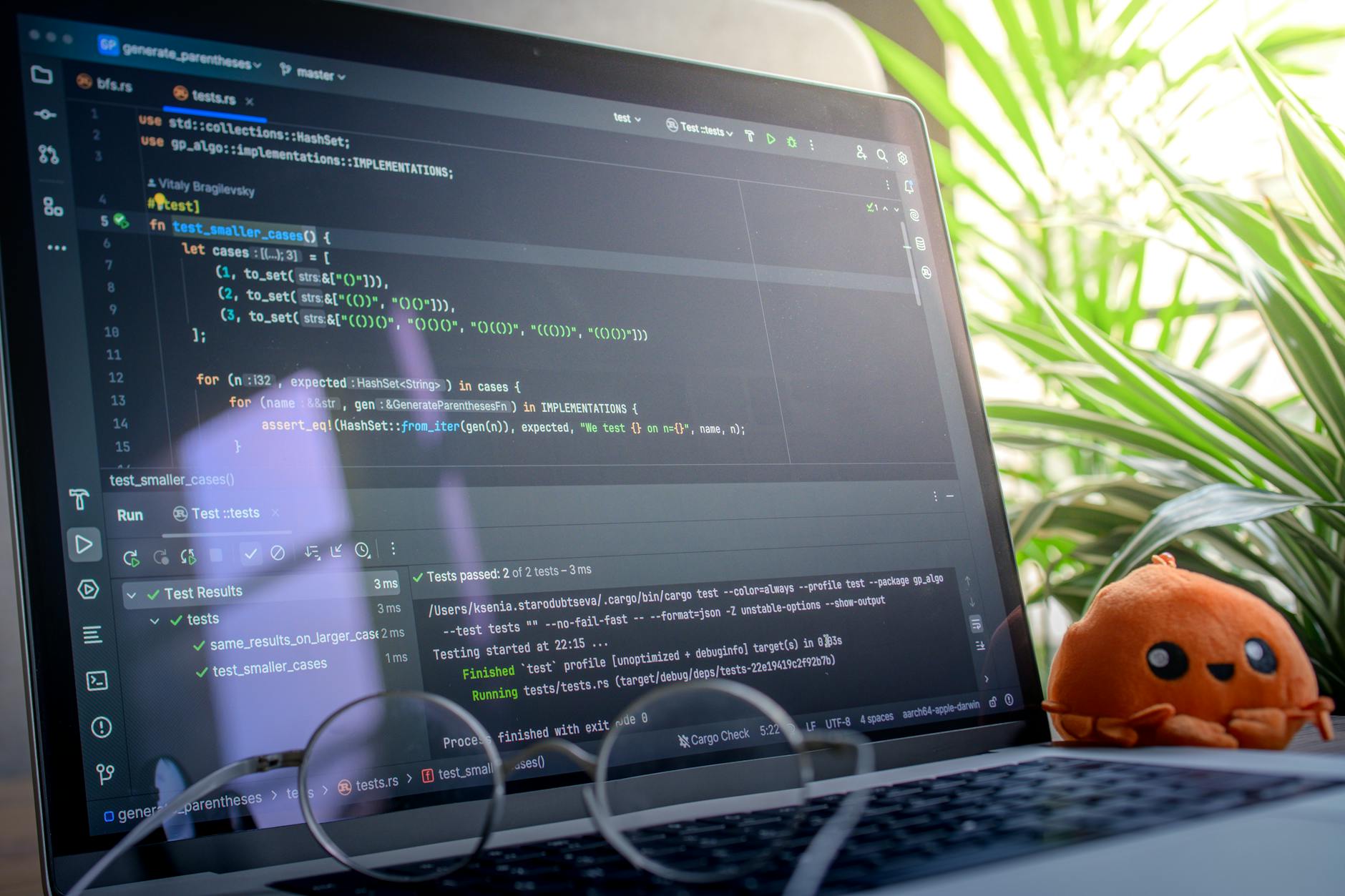
The testing revolution extends beyond individual developers to entire quality assurance processes. Companies are restructuring their QA departments, with manual testers transitioning to roles focused on defining test scenarios and validating AI-generated test cases rather than writing repetitive test scripts.
Infrastructure and Deployment Automation
DevOps practices are evolving just as rapidly as coding practices. The GPT model demonstrates sophisticated understanding of cloud infrastructure, containerization, and deployment pipelines. It can generate Docker configurations, Kubernetes manifests, and CI/CD pipeline definitions that follow industry best practices.
Amazon Web Services and Microsoft Azure have both integrated GPT-powered assistants into their cloud management consoles, allowing developers to describe infrastructure requirements in plain English and receive fully configured cloud resources. This democratizes complex cloud architecture decisions that previously required specialized DevOps expertise.
The model’s infrastructure knowledge extends to security practices as well. It automatically suggests security configurations, identifies potential vulnerabilities in deployment setups, and recommends encryption strategies appropriate for different types of applications. This built-in security awareness addresses one of the biggest gaps in traditional development workflows.
Startup teams particularly benefit from this infrastructure automation. A two-person team can now deploy enterprise-grade applications with proper monitoring, logging, and scaling configurations – capabilities that previously required dedicated infrastructure engineers. The evolving cloud computing landscape supports these AI-powered deployment strategies with increasingly sophisticated automation tools.
Industry Transformation and Future Implications
The implications extend far beyond individual productivity gains. Software development as a profession is restructuring around human-AI collaboration rather than traditional hierarchical team structures. Senior developers increasingly focus on architecture decisions, product strategy, and AI prompt engineering rather than writing boilerplate code.
Universities are scrambling to update computer science curricula. The skills that matter most in 2024 – prompt engineering, AI model selection, and human-AI workflow design – barely existed in academic programs two years ago. Some institutions have eliminated introductory programming courses entirely, focusing instead on teaching students how to effectively collaborate with AI coding assistants.
The economic impact ripples through the entire tech ecosystem. Software development costs have plummeted for many types of applications, enabling smaller companies to compete with established players. This has accelerated startup formation while forcing established companies to innovate faster to maintain competitive advantages.
However, the transformation creates new challenges. Code reviews now require different skills – developers must evaluate AI-generated code for subtle logic errors and architectural coherence rather than syntax mistakes. The rapid pace of AI-assisted development can lead to technical debt accumulation if teams don’t maintain disciplined practices around code quality and documentation.

The model’s capabilities continue expanding through regular updates and fine-tuning. OpenAI reports that developer feedback helps improve the system’s understanding of emerging frameworks and programming paradigms. This creates a feedback loop where better AI tools enable more sophisticated software, which in turn provides better training data for future AI improvements.
Looking ahead, the integration of AI coding assistants with development environments will likely become as fundamental as syntax highlighting or version control systems are today. The question isn’t whether AI will transform software development – that transformation is already underway. The question is how quickly the industry can adapt its practices, education systems, and career structures to this new reality.
Frequently Asked Questions
How does GPT help with software testing?
The model automatically generates comprehensive test suites including unit tests, integration tests, and edge case scenarios that developers often miss.
Can GPT handle complex software architecture?
Yes, it understands entire codebases and generates new features that integrate seamlessly with existing architectural patterns and conventions.