




Los Angeles drivers saved an average of 12 minutes per commute last year thanks to smart traffic lights that respond to real-time conditions. The city joined a growing movement of municipalities deploying adaptive traffic management systems that use artificial intelligence and sensor data to optimize traffic flow.
Traditional traffic lights operate on fixed timers, changing every 60 to 90 seconds regardless of actual traffic conditions. Smart traffic lights analyze vehicle volume, pedestrian activity, and even weather conditions to adjust timing dynamically. The technology represents a major shift from reactive to predictive traffic management.
Cities across the United States are investing billions in these systems as urban populations grow and commuter frustration reaches new heights. Early adopters report significant improvements in traffic flow, reduced emissions, and fewer accidents at major intersections.

Real-Time Data Powers Traffic Revolution
Pittsburgh’s smart traffic system processes data from over 150 intersections using cameras, radar sensors, and magnetic loop detectors embedded in roadways. The system analyzes traffic patterns every few seconds, extending green lights for heavy traffic directions while shortening cycles for lighter flows.
The city’s Department of Mobility and Infrastructure reports a 25% reduction in travel times along major corridors since implementing the technology in 2019. Fifth Avenue, previously one of Pittsburgh’s most congested streets, now moves 40% more vehicles during peak hours.
“We’re essentially giving traffic lights the ability to think,” says Sarah Chen, Pittsburgh’s traffic operations manager. “Instead of following rigid schedules, they respond to what’s actually happening on the street.”
The technology integrates with existing infrastructure through retrofit installations that cost significantly less than complete intersection overhauls. Sensors communicate with centralized traffic management centers where algorithms process real-time data and send optimization commands back to individual lights.
Phoenix expanded its smart traffic network to cover 1,200 intersections after successful pilot programs showed 18% faster commute times. The system prioritizes public transit vehicles, giving buses extended green lights to maintain schedule adherence while reducing overall traffic delays.
Machine Learning Transforms Urban Mobility
Seattle’s traffic management system uses machine learning algorithms trained on years of historical traffic data combined with real-time inputs. The AI predicts traffic patterns up to 30 minutes in advance, preemptively adjusting signal timing to prevent bottlenecks before they form.
The predictive approach proved especially valuable during major events and emergencies. When a water main break closed several downtown streets last month, the system automatically rerouted traffic by extending green lights on alternate routes, preventing gridlock that would have paralyzed the city center.
Amazon’s logistics experience influenced Seattle’s approach to traffic optimization. The city partnered with local tech companies to develop algorithms that treat traffic flow like package delivery networks, finding the most efficient paths for vehicles through the urban grid.
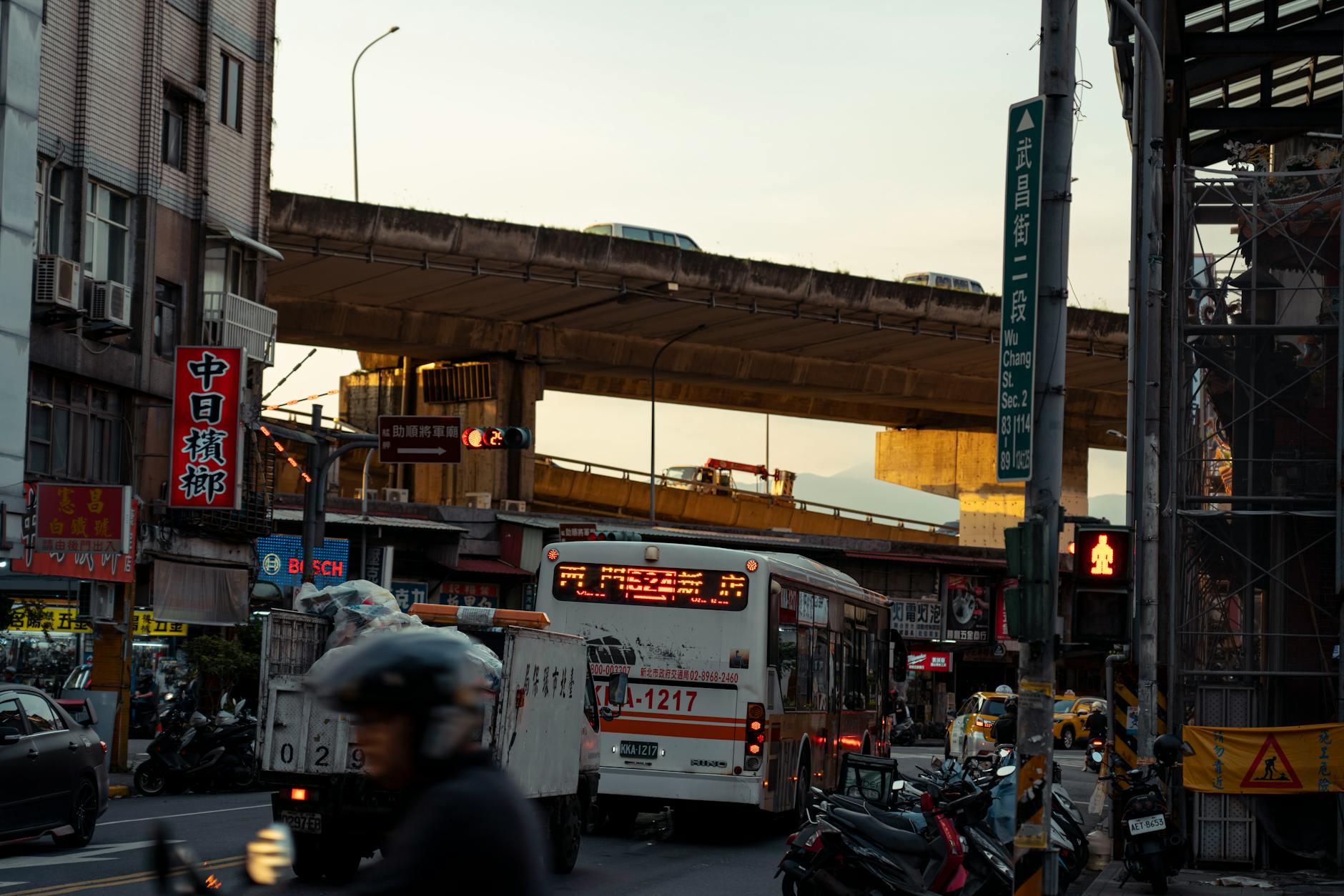
Machine learning capabilities continue evolving as systems accumulate more data. Denver’s smart lights now recognize recurring patterns like school zone congestion and construction delays, automatically adjusting to minimize disruption. The system learns from special events, concerts, and sports games to prepare for similar future scenarios.
Integration with ride-sharing services and delivery apps provides additional data streams. When Uber and Lyft report high demand in specific areas, traffic systems can preemptively extend green lights on routes leading to those zones.
Environmental and Safety Benefits Drive Adoption
Beyond convenience, smart traffic lights deliver measurable environmental benefits. Atlanta’s system reduced vehicle emissions by 20% in target corridors by minimizing stop-and-go traffic that burns excess fuel. Smoother traffic flow means cars spend less time idling at red lights, cutting both emissions and fuel consumption.
The Georgia Institute of Technology studied Atlanta’s implementation and found that optimized traffic signals reduced carbon dioxide emissions equivalent to removing 3,000 cars from the road annually. These environmental gains support cities’ climate action goals while improving air quality in dense urban areas.
Safety improvements accompany environmental benefits. Miami’s smart traffic system reduced intersection accidents by 15% in its first two years of operation. The technology extends pedestrian crossing times during school hours and adjusts for slower-moving elderly populations in certain neighborhoods.
Smart lights also enhance emergency response capabilities. When ambulances or fire trucks approach intersections equipped with emergency vehicle preemption systems, traffic lights automatically cycle to green, creating clear paths for first responders. Response times decreased by an average of 90 seconds across Miami’s smart intersection network.
The technology supports Vision Zero initiatives aimed at eliminating traffic fatalities. San Francisco’s smart lights extend pedestrian crossing signals when cameras detect slower-moving individuals, reducing accidents involving elderly residents and people with mobility limitations.
Challenges and Future Expansion
Implementation costs remain a significant barrier for many municipalities. Complete smart traffic systems require substantial upfront investments in sensors, communications infrastructure, and software platforms. Smaller cities often lack the technical expertise and financial resources for large-scale deployments.
Privacy concerns arise as traffic systems collect increasing amounts of data about vehicle movements and pedestrian behavior. Cities must balance traffic optimization benefits with resident privacy expectations, implementing data protection measures and transparent usage policies.

Cybersecurity represents another challenge as traffic infrastructure becomes more connected. Detroit experienced a brief system outage last year when a software update caused temporary communication failures between traffic lights and the central management system. Cities are investing in redundant systems and cybersecurity measures to prevent more serious disruptions.
Despite challenges, expansion continues accelerating. The Federal Highway Administration allocated $500 million in grants for smart infrastructure projects this year, supporting deployments in mid-sized cities previously unable to afford the technology.
Integration with autonomous vehicles promises even greater optimization potential. As self-driving cars communicate directly with traffic infrastructure, cities will gain unprecedented visibility into traffic patterns and vehicle intentions. This connectivity will enable traffic systems to optimize not just for current conditions but for predicted vehicle behavior.
Major technology companies are developing more affordable solutions for smaller municipalities. Simplified systems that retrofit existing traffic lights with basic sensors and wireless connectivity bring smart traffic benefits to communities with limited budgets.
The evolution toward intelligent transportation networks reflects broader urban technology trends, similar to how cities are embracing connected infrastructure across multiple sectors, from workplace wellness monitoring to digital payment systems.
Smart traffic lights represent just the beginning of comprehensive intelligent transportation systems that will reshape urban mobility over the next decade. As more cities demonstrate measurable benefits from these deployments, smart traffic management will likely become standard infrastructure rather than innovative exception.
Frequently Asked Questions
How much do smart traffic lights reduce commute times?
Cities report 12-25% reductions in travel times, with some corridors seeing up to 40% improvement in vehicle throughput during peak hours.
Do smart traffic lights help reduce emissions?
Yes, by minimizing stop-and-go traffic, these systems can reduce vehicle emissions by 20% and fuel consumption equivalent to removing thousands of cars from roads.