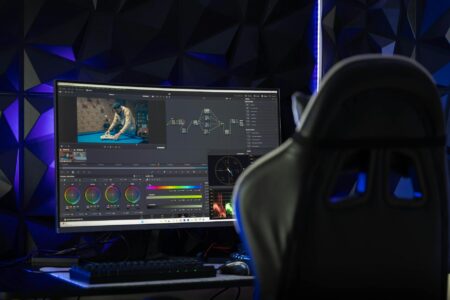





Discord’s latest screen sharing improvements are quietly revolutionizing how game developers work together across continents. The platform’s enhanced streaming quality, reduced latency, and new collaborative tools have made remote game development more seamless than ever before, with studios reporting significant productivity gains and cost savings.
What started as a gaming communication platform has evolved into an essential development tool. Major game studios now rely on Discord’s infrastructure to coordinate teams spread across multiple time zones, share real-time gameplay footage, and conduct technical reviews without the overhead of enterprise video conferencing solutions.

Enhanced Stream Quality Drives Developer Adoption
Discord’s recent upgrades to screen sharing have addressed long-standing pain points for game developers. The platform now supports higher resolution streams up to 1080p at 60fps for Nitro users, with improved compression algorithms that maintain visual fidelity while reducing bandwidth requirements.
These improvements matter significantly for game development, where visual details can make or break design decisions. Art directors can now review texture work, lighting setups, and animation sequences with clarity that rivals in-person collaboration. The enhanced quality has proven particularly valuable for indie developers who often work with distributed teams but lack budgets for expensive collaboration software.
Several prominent indie studios have publicly credited Discord’s improvements with enabling their remote workflows. The developers behind recent successful indie titles report using Discord for everything from daily standups to complex technical debugging sessions where multiple team members need to see code execution in real-time.
The platform’s integration with popular game engines and development tools has streamlined workflows further. Developers can share their Unity or Unreal Engine workspace directly through Discord while maintaining smooth performance, something that was challenging with earlier versions of the software.
Real-Time Collaboration Features Transform Team Dynamics
Beyond improved video quality, Discord has introduced features specifically valuable for collaborative development work. The ability to share multiple screens simultaneously allows developers to show code on one monitor while demonstrating the resulting gameplay on another, creating more comprehensive development discussions.
The platform’s new annotation tools let team members draw directly on shared screens during review sessions. This feature has become essential for art direction, level design feedback, and quality assurance workflows. QA testers can circle specific bugs or visual issues in real-time, eliminating the back-and-forth communication that typically slows bug resolution.
Voice activity detection improvements have made multi-person development calls more natural. The technology now better distinguishes between speaking voices and game audio, reducing interruptions during gameplay demonstrations. This seemingly small improvement has had outsized impact on meeting quality and team communication.

Integration with version control systems through bots and webhooks means development teams can get automatic notifications about code commits, build completions, and deployment status directly in their Discord channels. This centralization of communication has reduced the need to monitor multiple platforms and tools throughout the workday.
Cost Benefits Reshape Studio Operations
The financial implications of Discord’s improvements extend beyond subscription costs. Studios report significant savings on travel and office space as remote collaboration becomes more viable. A mid-sized game studio based in Montreal recently shared that their Discord-enabled remote workflow saved an estimated six-figure sum in travel costs during a recent project that involved contractors in three different countries.
The platform’s pricing structure remains attractive compared to enterprise alternatives. While solutions like Microsoft Teams or Zoom offer similar technical capabilities, Discord’s gaming-focused features and community integration provide additional value for game development teams. The seamless transition between work collaboration and gaming sessions helps maintain team culture in distributed organizations.
Smaller studios particularly benefit from Discord’s accessibility. New developers can join project channels immediately without complex onboarding processes or expensive seat licenses. This flexibility has enabled more fluid collaboration with freelance artists, musicians, and programmers who might contribute to multiple projects simultaneously.
The reduced technical complexity compared to traditional enterprise solutions means studios spend less time on IT management and more time on actual development work. Discord’s reliability and uptime have proven sufficient for most development workflows, eliminating the need for dedicated video conferencing infrastructure.
Industry-Wide Impact on Development Culture
Discord’s evolution reflects broader changes in how creative industries approach remote work. The platform has become a bridge between formal business collaboration and the informal community aspects that drive creative work. Development teams can seamlessly transition from technical discussions to casual gaming sessions, maintaining the social connections that fuel creative collaboration.
This shift has implications beyond individual studios. The normalization of Discord-based development workflows has made remote hiring more feasible, expanding the talent pool available to game studios regardless of geographic location. Developers in regions with fewer local opportunities can now contribute to projects worldwide, while studios can access specialized skills without relocation requirements.
The platform’s community features have also enabled new forms of developer networking and knowledge sharing. Technical channels focused on specific engines, programming languages, or art techniques have created informal educational resources that supplement traditional learning methods.
Looking ahead, Discord’s continued investment in developer-focused features suggests the platform recognizes its role in the creative economy. Recent partnerships with development tool providers and continued improvements to streaming infrastructure indicate this transformation from gaming communication platform to essential development tool will likely continue.
The success of Discord’s screen sharing improvements demonstrates how platforms can evolve beyond their original purpose when they focus on user needs rather than rigid feature categories. As remote work becomes permanently embedded in game development culture, tools that understand both the technical and social aspects of creative collaboration will likely define the industry’s future productivity standards.
Frequently Asked Questions
What improvements has Discord made to screen sharing for developers?
Discord now supports 1080p 60fps streaming, improved compression, annotation tools, and better voice activity detection.
How are game studios saving money with Discord’s updates?
Studios report significant savings on travel costs, office space, and expensive enterprise collaboration software.