




Discord’s spatial audio rollout is transforming how millions of gamers communicate, moving beyond traditional stereo channels to create immersive 3D soundscapes that mirror real-world conversation dynamics.
The platform’s latest audio engine update introduces positional voice chat where players’ voices change in volume and direction based on their virtual location. Instead of everyone speaking at equal volume through standard left-right stereo channels, teammates now sound closer or farther away, creating natural conversation flows that reduce the chaos of large group chats.
This shift addresses a fundamental problem in multiplayer gaming communication. Traditional voice chat systems flatten all participants into the same audio space, making it difficult to follow conversations when multiple people speak simultaneously. Discord’s spatial implementation uses advanced audio processing to position each speaker in a virtual 3D environment, allowing users to naturally focus on nearby teammates while still hearing distant squad members at appropriate volumes.
Technical Architecture Behind the Innovation
Discord’s spatial audio leverages Head-Related Transfer Function (HRTF) technology to simulate how human ears naturally perceive sound direction and distance. The system processes voice data through algorithms that adjust frequency response, timing, and amplitude to create convincing positional audio without requiring specialized hardware.
The implementation works across standard stereo headphones and speakers, making it accessible to Discord’s entire user base without additional equipment purchases. The platform’s engineering team built the feature to integrate seamlessly with existing server infrastructure, ensuring minimal latency impact during gameplay.
Voice activity detection has been enhanced to work with spatial positioning, automatically adjusting conversation priority based on proximity. When players move closer together in supported games, their voices become more prominent in the audio mix, while distant teammates fade to appropriate background levels.
Beta testing revealed that spatial audio significantly reduces cognitive load during complex team coordination scenarios. Players reported easier identification of who’s speaking and improved ability to maintain multiple conversation threads simultaneously during intense gaming sessions.
Gaming Integration and Developer Adoption
Major game developers are integrating Discord’s spatial audio APIs directly into their multiplayer experiences. Popular titles including Fortnite, Among Us, and various Roblox experiences now support automatic voice positioning that syncs with in-game character locations.
The integration process allows developers to map Discord voice channels to game coordinate systems, creating seamless audio experiences where voice chat naturally reflects gameplay positioning. Players moving apart in-game automatically experience corresponding audio separation, while grouping up brings voices closer together.

Community feedback has been overwhelmingly positive, with competitive gaming teams reporting improved tactical communication during tournaments. The technology particularly benefits battle royale games where team positioning constantly changes and clear communication about enemy locations proves crucial.
Discord’s developer documentation provides straightforward implementation guides, encouraging widespread adoption across gaming platforms. The company has established partnerships with major game engines to streamline integration processes and reduce technical barriers for smaller development teams.
Impact on Gaming Communities and Communication Culture
Spatial audio is reshaping social dynamics within gaming communities by making large group conversations more manageable and natural. Discord servers hosting 20+ simultaneous voice participants now experience less audio chaos, as spatial positioning allows subgroups to form organically based on proximity.
The technology has proven particularly valuable for roleplaying communities, where spatial audio enhances immersion by making character interactions feel more realistic. Players can engage in side conversations without disrupting main group discussions, creating richer social experiences within virtual environments.
Educational gaming applications are adopting the technology to facilitate classroom-style discussions in virtual spaces. Students can break into small discussion groups while remaining in the same Discord channel, with teachers able to “walk around” the virtual classroom and monitor different conversations.
Content creators and streamers are experimenting with spatial audio to create more engaging viewer experiences, positioning audience members in virtual spaces during interactive streams and gaming sessions.
Future Developments and Industry Implications
Discord’s roadmap includes expanding spatial audio beyond gaming into professional applications, potentially competing with platforms focusing on virtual collaboration. The success of gaming implementation demonstrates practical applications for remote training programs and virtual meetings where natural conversation flow proves essential.
The platform is developing advanced features including environmental audio effects, allowing virtual spaces to simulate different acoustic environments like concert halls, outdoor areas, or intimate rooms. These enhancements could expand Discord’s appeal beyond gaming into entertainment and professional use cases.
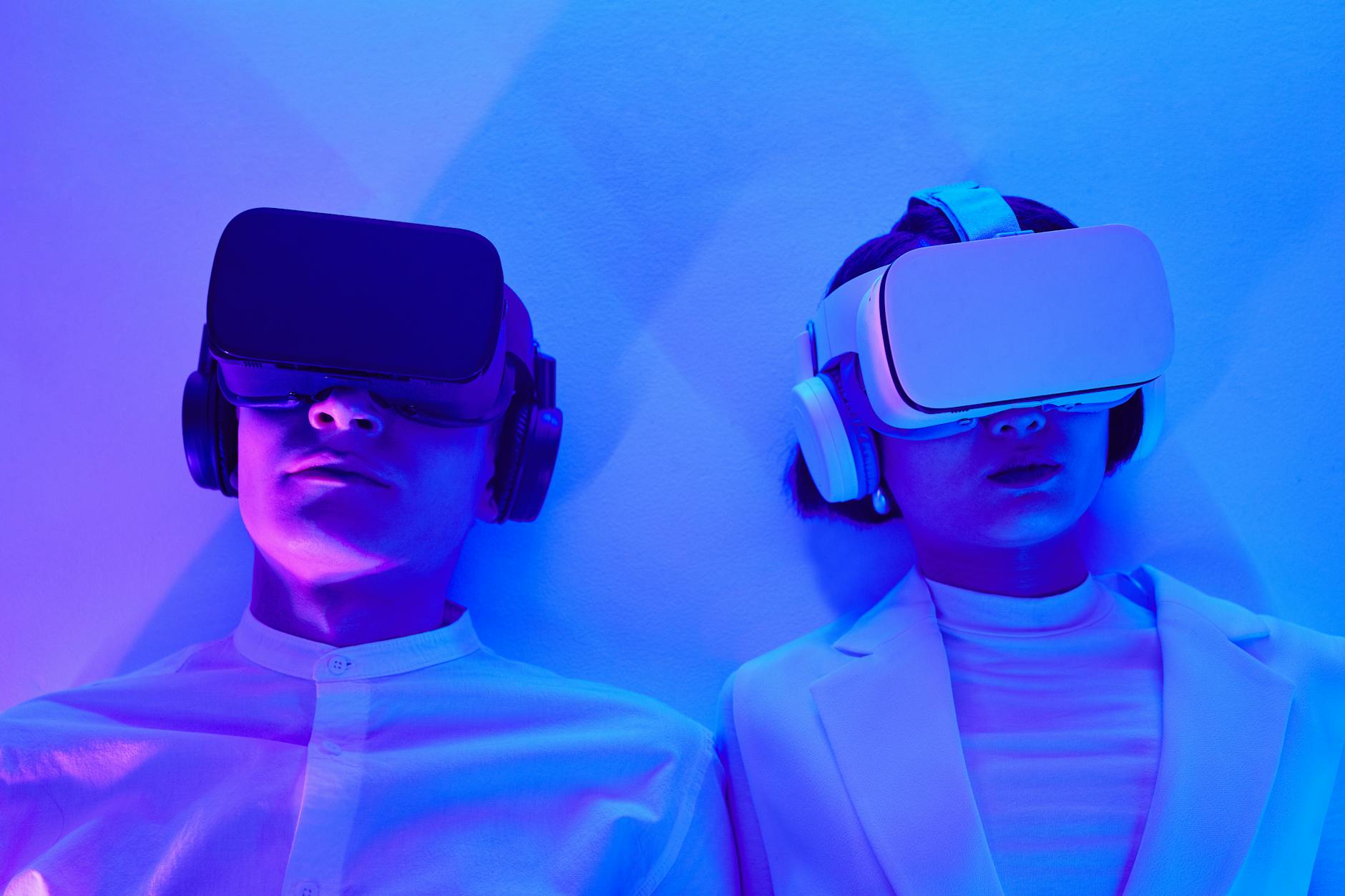
Integration with virtual and augmented reality platforms represents the next frontier for Discord’s spatial audio technology. As VR gaming adoption increases, natural voice positioning becomes increasingly important for maintaining immersion during social VR experiences.
Competition is intensifying as other communication platforms rush to develop similar capabilities. Discord’s early implementation advantage provides significant market positioning, but sustained innovation will be necessary to maintain leadership in spatial audio communication.
The broader implications extend beyond gaming into how people communicate in digital spaces. As remote work and virtual social interaction become permanent fixtures of modern life, spatial audio technology pioneered in gaming contexts will likely influence communication tools across industries, making digital conversations feel more natural and reducing the fatigue associated with traditional video conferencing platforms.
Discord’s spatial audio represents more than a gaming feature upgrade – it signals a fundamental shift toward more human-centric digital communication that respects natural conversation patterns and social dynamics.
Frequently Asked Questions
What is Discord spatial audio?
A feature that positions players’ voices in 3D space based on their location, making conversations more natural and reducing audio chaos.
Do I need special equipment for Discord spatial audio?
No, it works with standard stereo headphones and speakers without requiring additional hardware purchases.