





Corporate training rooms across America are getting a dramatic makeover. Companies from Walmart to Boeing are swapping PowerPoint presentations for immersive virtual reality experiences, with Apple’s Vision Pro leading the charge in transforming how employees learn critical skills.
The shift represents more than just flashy technology adoption. Early adopters report significant improvements in training retention rates and employee engagement, while reducing costs associated with traditional training methods. Major corporations are now investing heavily in VR-based learning programs, viewing them as essential for staying competitive in an increasingly digital workforce.

Medical and Safety Training Takes Center Stage
Healthcare organizations have emerged as the most aggressive adopters of Vision Pro training programs. Cleveland Clinic reportedly uses the headsets to train surgical residents, allowing them to practice complex procedures in a risk-free virtual environment. The immersive experience lets trainees manipulate 3D models of organs and practice surgical techniques without the pressure of real-world consequences.
Manufacturing companies are following suit with safety training applications. Workers can experience dangerous scenarios – like chemical spills or equipment malfunctions – in virtual environments. This approach addresses a critical need, as workplace safety incidents cost American companies billions annually in workers’ compensation claims and lost productivity.
The aviation industry has particularly embraced VR training. Flight attendants can practice emergency procedures in virtual airplane cabins, while maintenance crews can disassemble and reassemble jet engines without touching actual aircraft. These applications build on the industry’s long history with flight simulators, extending immersive training beyond just pilots.
Soft Skills Development Gets a Virtual Boost
Beyond technical training, companies are using Vision Pro for traditionally difficult-to-teach soft skills. Customer service representatives practice handling difficult interactions with AI-powered virtual customers who can simulate various personality types and complaint scenarios. The technology allows for safe practice of de-escalation techniques and empathy-building exercises.
Leadership training programs now include virtual team management scenarios. Future managers can practice giving feedback, conducting meetings, and handling workplace conflicts in controlled virtual environments. These programs reportedly show improved outcomes compared to traditional role-playing exercises, as participants feel more comfortable making mistakes in virtual settings.
Sales teams are using VR to practice product demonstrations and client presentations. Real estate agents can showcase properties to virtual clients, while pharmaceutical sales representatives can practice explaining complex medical concepts to virtual doctors. The technology provides consistent training scenarios that would be difficult to replicate in real-world settings.

Cost Savings Drive Corporate Adoption
Financial benefits are accelerating Vision Pro adoption in corporate training. Companies report significant savings on travel costs, as employees no longer need to gather in central locations for training sessions. Virtual training also eliminates the need for physical training materials and equipment, while reducing instructor costs through scalable digital programs.
The technology addresses a persistent challenge in corporate training: ensuring consistent quality across multiple locations. A standardized VR training program delivers identical experiences whether employees are in New York or Nebraska. This consistency is particularly valuable for companies with strict compliance requirements or complex technical procedures.
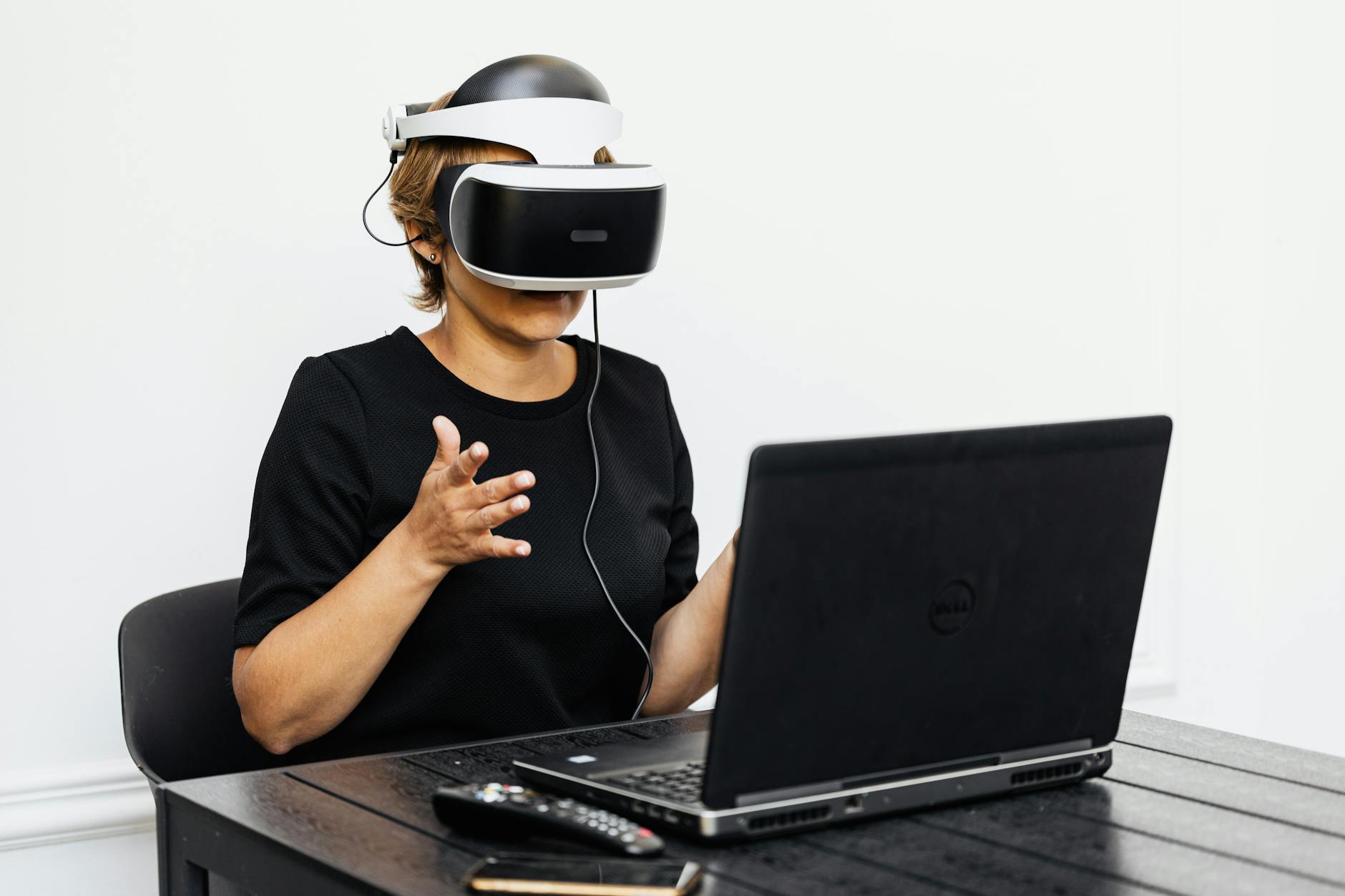
Remote work trends have amplified the appeal of VR training. As hybrid work models become permanent, companies need training solutions that work effectively for distributed teams. Vision Pro programs allow remote employees to participate in immersive training sessions from their home offices, maintaining engagement levels that traditional video-based training often fails to achieve.
Data analytics capabilities built into VR training platforms provide detailed insights into employee learning patterns. Companies can track which concepts require additional reinforcement and identify employees who might need extra support. This data-driven approach represents a significant advancement over traditional training evaluation methods.
Challenges and Implementation Hurdles
Despite the enthusiasm, companies face significant challenges in implementing Vision Pro training programs. The high cost of headsets remains a barrier for smaller organizations, though enterprise leasing programs are beginning to address this concern. Technical support requirements also increase, as companies need staff capable of maintaining and troubleshooting VR equipment.
Content development represents another significant investment. Creating effective VR training programs requires specialized expertise in both instructional design and 3D development. Many companies are partnering with external vendors rather than building internal capabilities, though this approach can limit customization options.
Employee adoption varies significantly across different demographics and roles. While younger workers often embrace VR training enthusiastically, some experienced employees express skepticism about the technology. Companies report success with gradual implementation approaches that allow employees to experience VR training in low-pressure situations before rolling out comprehensive programs.
The trend toward digital wellness initiatives has also raised questions about increased screen time in the workplace. Some organizations are balancing VR training programs with screen-free activities to address employee concerns about technology overload.
The Future of Workplace Learning
Industry analysts predict continued growth in corporate VR training adoption, with particular expansion in retail and hospitality sectors. Restaurant chains are beginning to explore VR training for food safety and customer service, while retail companies see potential for product knowledge training and loss prevention scenarios.
Integration with artificial intelligence promises to make VR training even more sophisticated. AI-powered virtual instructors could provide personalized feedback and adapt training scenarios based on individual learning patterns. This development would address one of the current limitations of VR training: the lack of human interaction and real-time coaching.
The success of Vision Pro in corporate training may accelerate broader workplace technology adoption. Companies investing in VR training programs are also exploring related technologies like augmented reality for on-the-job support and mixed reality for collaborative design work. This ecosystem approach could transform not just training, but day-to-day work processes across multiple industries.
As companies continue to navigate remote work challenges and skills shortages, immersive training technologies like Vision Pro offer compelling solutions. The early results suggest that virtual reality training is moving beyond experimental status to become a standard tool in corporate learning strategies.
Frequently Asked Questions
Which industries are using Vision Pro for training most?
Healthcare, manufacturing, and aviation have been the earliest adopters, focusing on safety training and technical skill development.
What are the main benefits of VR training for companies?
Companies report improved retention rates, reduced travel costs, consistent training quality, and better employee engagement compared to traditional methods.