




Tesla’s latest Autopilot updates arrived with promises of smoother highway merging and better city street navigation, while Mercedes continues refining its Drive Pilot system that legally allows drivers to take their hands off the wheel in specific conditions. Both automakers are pushing the boundaries of semi-autonomous driving, but their approaches couldn’t be more different.
The competition between these two systems reflects a broader industry divide: Tesla’s aggressive software-first approach versus Mercedes’ cautious, legally-compliant strategy. After testing both systems extensively on highways and city streets, the differences are striking – and reveal which philosophy might win the autonomous driving race.
Real-World Performance on Highways
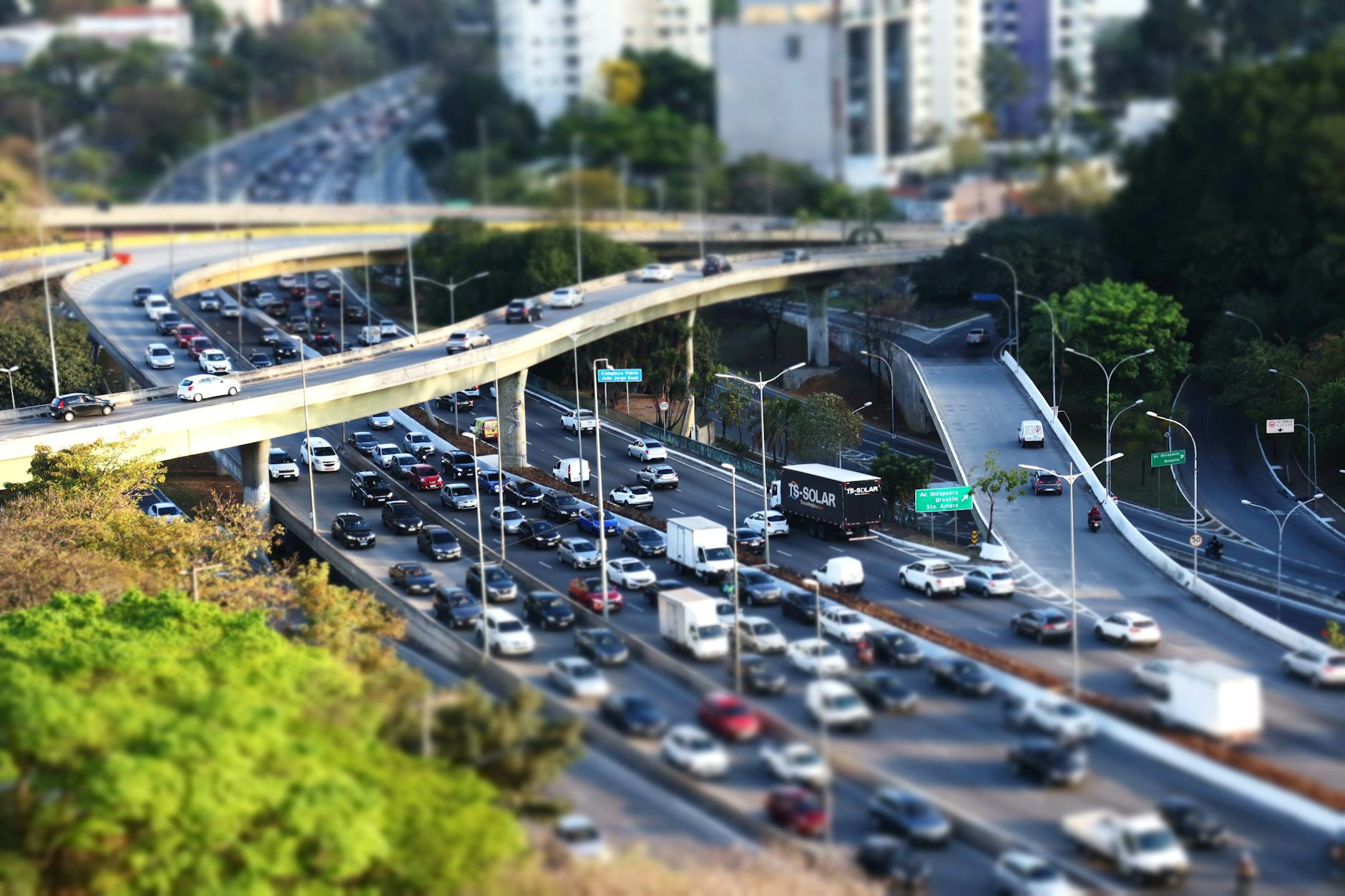
Tesla’s updated Autopilot shows noticeable improvements in lane changes and traffic pattern recognition. The system now handles highway merges with less hesitation, though it still requires constant driver attention and hands on the wheel. During a 200-mile highway test, the updated software successfully navigated complex interchanges and adjusted speeds more naturally in heavy traffic.
Mercedes Drive Pilot operates in a completely different league when conditions align. On designated highway sections in California and Nevada, the system allows drivers to legally engage in secondary activities – checking emails, watching videos, or reading – while the car maintains full control. However, this freedom comes with strict limitations: speeds under 40 mph, clear weather, and specific highway segments.
The practical difference is significant. Tesla’s system works on virtually any highway but demands constant supervision. Mercedes offers genuine hands-free driving but only in limited scenarios. Most drivers will find Tesla’s broader coverage more useful for daily commuting, while Mercedes provides a glimpse of true autonomous driving’s future.
City Street Navigation Capabilities
Tesla’s city street performance represents the company’s most ambitious autonomous driving effort. The updated system handles stop signs, traffic lights, and pedestrian crossings with improved confidence. However, it still struggles with construction zones and unexpected road configurations, requiring frequent driver intervention.
Testing in San Francisco revealed both strengths and limitations. The system successfully navigated busy intersections and made appropriate turns, but hesitated at unmarked intersections and sometimes misread temporary traffic signals. Driver attention remains absolutely critical – the system feels more like an advanced driver assistance tool than true autonomy.
Mercedes takes a more conservative approach to city driving. Drive Pilot currently operates only on highways, though the company is testing urban capabilities in Germany. This cautious strategy reflects Mercedes’ focus on legal liability and safety validation rather than rapid feature deployment.
The philosophical divide is clear: Tesla pushes features to customers for real-world testing, while Mercedes validates everything internally before release. Both approaches have merit, but Tesla’s strategy gives drivers more capabilities today while Mercedes prioritizes safety and legal compliance.
Technology Architecture and Safety Systems
Under the hood, these systems rely on fundamentally different sensor approaches. Tesla depends primarily on cameras and computer vision, arguing that human-like perception can solve autonomous driving. The company’s neural network training benefits from millions of vehicles providing real-world data.
Mercedes employs a multi-sensor strategy combining cameras, radar, and lidar. This redundancy provides multiple ways to detect obstacles and hazards, though it makes the system more expensive and complex. Mercedes also integrates detailed HD maps for precise vehicle positioning.
Safety monitoring differs dramatically between the systems. Tesla uses torque sensors and cabin cameras to ensure driver attention, frequently displaying warnings and disengaging if drivers appear distracted. The system assumes drivers remain responsible for vehicle control at all times.
Drive Pilot includes more sophisticated monitoring systems that can detect driver incapacitation and safely bring the vehicle to a stop. When operating in its approved zones, Mercedes accepts legal liability for the vehicle’s actions – a significant departure from Tesla’s driver-responsibility model.
These architectural differences reflect each company’s autonomous driving philosophy and risk tolerance. Tesla prioritizes rapid improvement through data collection, while Mercedes emphasizes validated safety before deployment.
User Experience and Practical Considerations
Daily usability varies significantly between these systems. Tesla’s updated Autopilot integrates seamlessly into most driving scenarios, engaging quickly on highways and city streets. The interface is intuitive, though drivers must remain constantly vigilant for situations requiring intervention.
Mercedes Drive Pilot provides a dramatically different experience when operational. The system clearly communicates when it’s safe to engage secondary activities, creating a genuine hands-free experience. However, the limited operational areas mean most drivers rarely experience this capability.
Cost considerations favor Tesla’s approach. Autopilot comes standard on all Tesla vehicles, while Drive Pilot requires a significant option package on select Mercedes models. Tesla’s software-update model also means improvements arrive automatically, while Mercedes typically requires hardware upgrades for major advances.
The broader smart car ecosystem continues evolving, with manufacturers like BMW also developing advanced autonomous systems. As detailed in comparing smart car technologies, this competition drives innovation across the industry.
The Road Ahead for Autonomous Driving
Both Tesla and Mercedes continue pushing autonomous driving forward, but their timelines and approaches remain distinctly different. Tesla’s aggressive deployment strategy means drivers get new capabilities quickly, though with inherent risks of beta testing on public roads. Mercedes’ methodical approach provides fewer features today but greater confidence in system reliability.
The regulatory landscape will ultimately determine which philosophy succeeds. If authorities embrace Tesla’s rapid-iteration approach, the company’s massive data advantage could prove decisive. However, if regulators demand Mercedes-style validation before deployment, the German automaker’s careful strategy may prevail.
For consumers choosing between these systems today, the decision comes down to priorities: Tesla offers broader capabilities with constant supervision requirements, while Mercedes provides limited but genuinely hands-free driving experiences. Both represent significant advances in automotive technology, though neither delivers the full autonomous driving experience many expected by now.
The autonomous driving race continues, with both companies pushing boundaries in their own ways. As technology advances and regulations evolve, the competition between these contrasting approaches will shape the future of transportation for millions of drivers worldwide.
Frequently Asked Questions
Can you take your hands off the wheel with these systems?
Mercedes Drive Pilot allows hands-free driving in specific highway conditions, while Tesla Autopilot requires constant hands-on supervision.
Which system works better in city driving?
Tesla’s updated Autopilot handles city streets with driver supervision, while Mercedes Drive Pilot currently operates only on highways.