





Remote work has transformed the headphone market in unexpected ways. While gamers once drove premium audio sales, professionals now dominate purchases of high-end headphones, with video call quality becoming the deciding factor for many buyers. Two models consistently top corporate wish lists: Apple’s AirPods Max and Bose’s QuietComfort series.
Both brands built their reputations in different arenas – Apple through seamless ecosystem integration, Bose through noise-canceling technology pioneered for pilots. Now they compete directly for the lucrative remote work market, where crystal-clear communication matters more than bass response. The stakes are high: professionals spend upwards of 20 hours weekly on video calls, making headphone choice a career investment.
Microphone Performance and Call Clarity
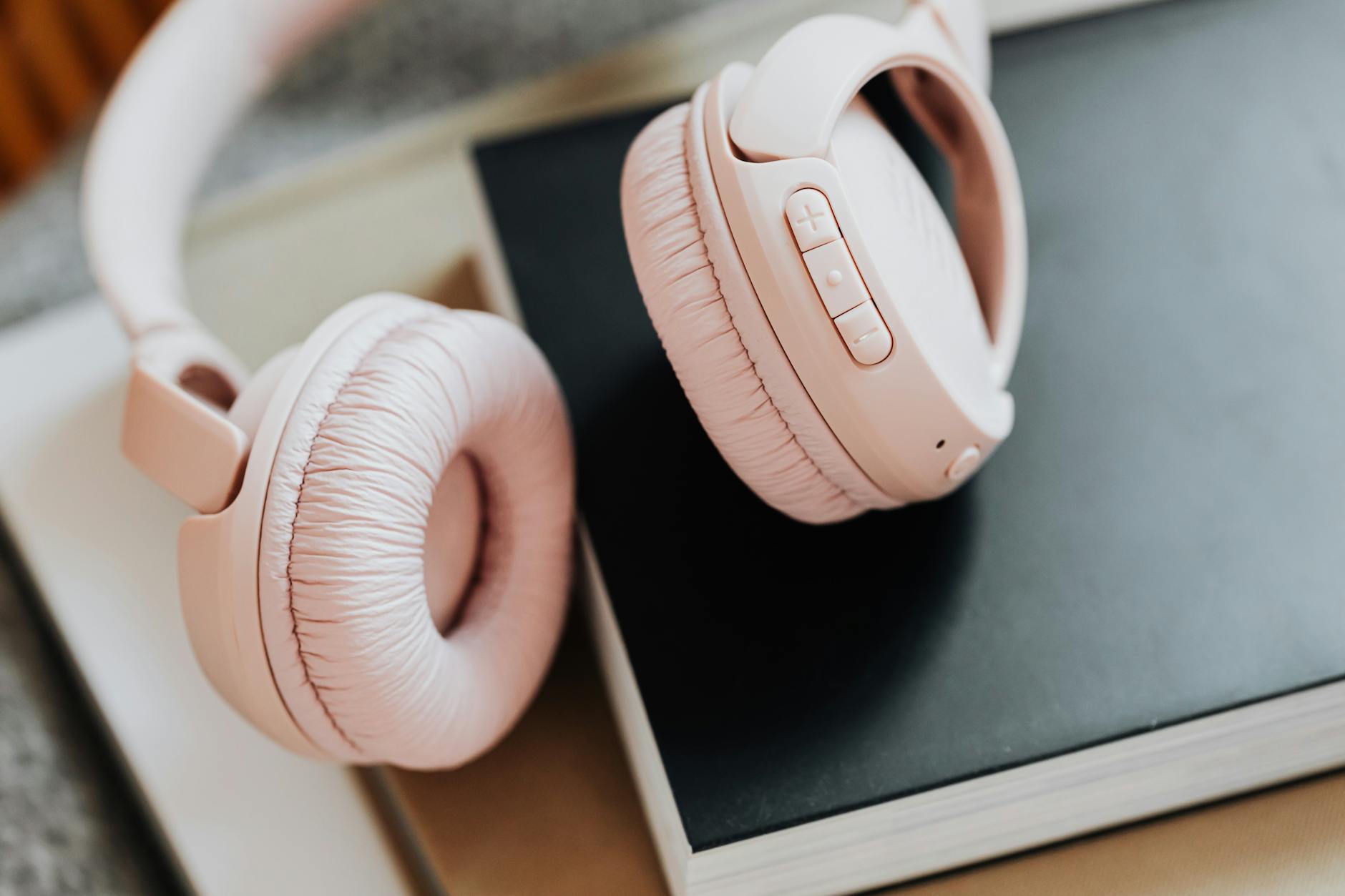
The AirPods Max delivers surprisingly robust microphone performance despite its unconventional design. Apple embedded multiple beamforming microphones in each ear cup, creating a sophisticated array that isolates voices from background noise. During testing across various video platforms, the AirPods Max consistently captured speech with exceptional clarity, even in challenging environments like busy coffee shops or home offices with HVAC systems running.
The adaptive EQ automatically adjusts to optimize voice transmission, while computational audio processing filters out keyboard clicks, paper shuffling, and other desk-adjacent sounds that plague remote workers. Apple’s proprietary H1 chip enables real-time processing that competitors struggle to match with standard Bluetooth implementations.
Bose takes a different approach with the QuietComfort series, focusing on proven acoustic engineering rather than computational tricks. The dedicated voice pickup system uses four microphones strategically positioned to create a focused beam pattern. This traditional approach yields consistently reliable results across different environments, though without the adaptive intelligence of Apple’s system.
The QuietComfort’s noise-rejecting microphones excel in steady-state noise environments – airplane cabins, busy offices, or consistent air conditioning hum. However, they sometimes struggle with sudden audio interruptions or complex acoustic environments where Apple’s computational approach shines.
Platform compatibility creates another consideration. The AirPods Max integrates seamlessly with FaceTime, automatically adjusting audio profiles and enabling features like spatial audio during group calls. On Zoom, Microsoft Teams, and other platforms, performance remains excellent but loses some Apple-specific optimizations.
Bose maintains platform agnostic performance, delivering consistent results whether connecting to Windows laptops, Android phones, or Mac computers. This universal compatibility appeals to professionals who work across multiple devices or companies with mixed technology ecosystems.
Noise Cancellation During Calls
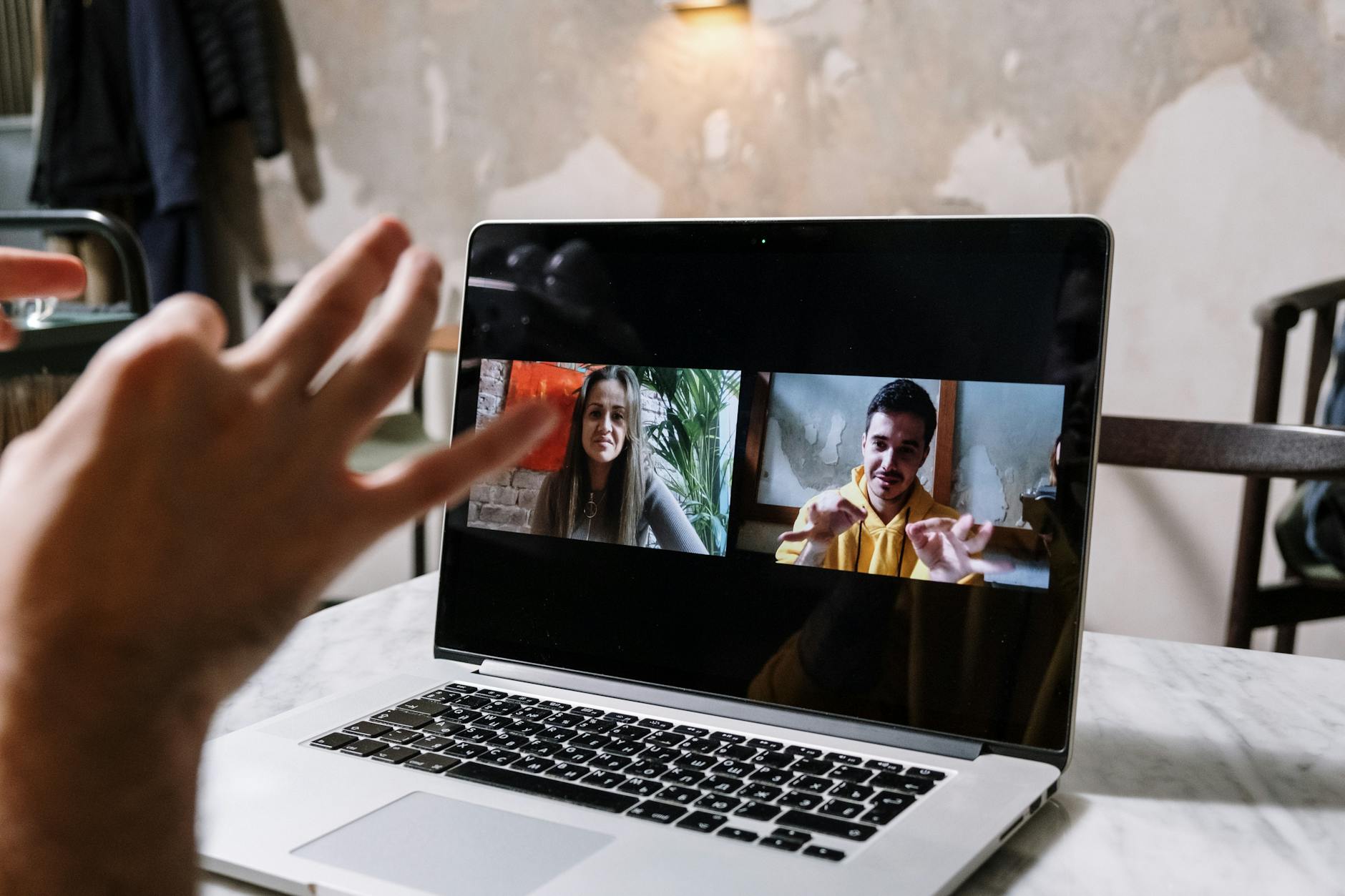
Active noise cancellation fundamentally changes the video call experience, though both brands implement the technology differently. Apple’s AirPods Max uses computational audio to create “transparency” modes that let important sounds through while blocking distractions. The Adaptive Transparency feature automatically reduces sudden loud noises – construction sounds, sirens, or barking dogs – while preserving normal conversation levels.
For professionals working from home, this creates an ideal environment where family conversations remain audible for safety while blocking out lawn mowers, leaf blowers, and other intermittent disturbances. The technology works so seamlessly that many users forget they’re wearing noise-canceling headphones until they remove them and notice the sudden influx of environmental sound.
Bose pioneered consumer noise cancellation and maintains advantages in consistent, predictable performance. The QuietComfort series offers multiple noise cancellation levels, allowing users to fine-tune their environment based on specific needs. The “Aware” mode lets in ambient sound for safety, while maximum cancellation creates near-silence for critical calls or deep focus work.
The Bose approach excels in consistent noise environments – open offices, co-working spaces, or homes near busy streets. The steady-state noise reduction surpasses almost every competitor, creating an acoustic bubble that transforms even chaotic environments into productive workspaces. However, the system sometimes struggles with rapidly changing audio landscapes where Apple’s adaptive approach proves superior.
Battery life directly impacts noise cancellation effectiveness, and here the differences become significant. The AirPods Max provides approximately 20 hours of active noise cancellation, while the latest QuietComfort models extend beyond 24 hours. For professionals who forget to charge devices regularly, the Bose advantage becomes crucial during day-long conference schedules or international travel.
Both models support quick charging, though implementation varies. AirPods Max gains several hours of playback from a brief charging session, while Bose offers similar fast-charge capabilities with more predictable power management across different usage patterns.
Comfort and Extended Wear
Professional video calls often extend for hours, making physical comfort as important as audio quality. The AirPods Max weighs significantly more than traditional headphones, with its stainless steel construction creating a premium feel that some users find fatiguing during extended sessions. Apple’s solution involves distributing weight through a mesh headband that spreads pressure across the skull rather than concentrating force on specific contact points.
The memory foam ear cushions create an effective seal for noise cancellation while maintaining breathability during long wear. However, the headphone’s weight becomes noticeable after approximately two hours of continuous use, particularly for users with neck or shoulder sensitivities. The rotating ear cups help with fit adjustment, though they don’t fully compensate for the overall mass.
Bose prioritized long-term comfort in the QuietComfort design, using lightweight materials and refined ergonomics developed through decades of aviation headphone experience. The protein leather ear cushions feel luxurious while maintaining their shape through extended use, and the overall weight distribution rarely causes fatigue even during marathon meeting days.
The QuietComfort’s headband adjustment system accommodates a wider range of head sizes and shapes, while the ear cups provide consistent seal pressure without creating hot spots. Many professionals report wearing them for entire workdays without discomfort, a crucial advantage for roles requiring constant communication.
Temperature management differs between models. The AirPods Max’s aluminum construction initially feels cool but can retain heat during extended wear, particularly in warm environments. The Bose model maintains more consistent temperature through better ventilation design and material choices optimized for extended wear scenarios.

Integration and Professional Features
Ecosystem integration creates distinct advantages depending on existing technology choices. The AirPods Max excels within Apple’s environment, offering features unavailable to other platforms. Automatic device switching allows seamless transitions between iPhone calls and Mac meetings without manual reconnection. The spatial audio feature creates immersive conference experiences, particularly valuable for large group calls where directional audio helps identify speakers.
The Find My integration proves surprisingly useful for remote workers who frequently move between home offices, co-working spaces, and client locations. Battery level integration with iOS provides precise charge status and low-battery warnings that prevent mid-meeting failures.
Bose focuses on universal compatibility and professional reliability rather than ecosystem-specific features. The Bose Connect app offers equalizer adjustments, noise cancellation customization, and firmware updates across all major platforms. While lacking Apple’s seamless switching, the QuietComfort models provide consistent performance regardless of source device.
For professionals using mixed technology environments – common in enterprise settings with Windows laptops, Android phones, and various conferencing systems – the Bose approach offers more predictable results. The standard Bluetooth connectivity works reliably with virtually any device, while Apple’s proprietary features sometimes create compatibility challenges with non-Apple hardware.
Both models support wired connections for situations requiring guaranteed compatibility or superior audio quality. The AirPods Max uses Lightning connectivity, limiting flexibility but ensuring perfect integration with Apple devices. Bose provides standard audio jack compatibility, offering broader device support and eliminating concerns about proprietary cables or adapters.
Looking ahead, remote work permanence continues reshaping professional audio requirements. As creative professionals increasingly demand specialized hardware, headphone manufacturers will likely develop features specifically targeting remote work scenarios rather than traditional consumer entertainment uses. Both Apple and Bose are well-positioned to lead this evolution, though their different philosophies will continue appealing to distinct professional segments.
The choice between AirPods Max and Bose QuietComfort ultimately depends on existing technology ecosystems and specific professional needs. Apple users benefit from seamless integration and cutting-edge computational audio, while professionals prioritizing universal compatibility and proven comfort will find Bose’s approach more suitable for demanding work environments.
Frequently Asked Questions
Which headphones have better microphone quality for video calls?
Both excel, but AirPods Max uses computational audio for adaptive noise reduction while Bose provides consistent performance across all platforms.
Are AirPods Max or Bose QuietComfort more comfortable for long meetings?
Bose QuietComfort is lighter and designed for extended wear, while AirPods Max’s weight can cause fatigue after 2+ hours of continuous use.